













Why Recovery Is Becoming More Important Than Intensity
For many years, fitness culture rewarded one thing above all else: intensity.
People were encouraged to train harder, push through exhaustion, and follow “no days off” mentalities in pursuit of faster results. High-intensity workouts, extreme cardio sessions, and constant training became heavily promoted across social media and the fitness industry.
Today, that mindset is changing.
In 2026, recovery has become one of the most important topics in modern fitness and wellness. Athletes, gym users, and health-conscious individuals are increasingly realizing that progress does not happen only during workouts — it also happens during recovery.
As a result, more people are prioritizing:
- Sleep
- Mobility
- Stress management
- Active recovery
- Rest days
- Recovery-focused nutrition
This shift reflects a larger movement toward sustainable fitness, long-term health, and performance longevity.
Why Recovery Matters
Exercise places stress on the body.
Strength training, cardio, sports, and intense workouts all create physical fatigue that the body must recover from in order to adapt and improve.
Without proper recovery, people may experience:
- Burnout
- Poor performance
- Fatigue
- Sleep disruption
- Increased injury risk
- Mental exhaustion
- Reduced motivation
Recovery allows the body to:
- Repair muscle tissue
- Restore energy levels
- Regulate hormones
- Support nervous system function
- Improve physical performance
This is why recovery is now considered a fundamental part of any balanced fitness routine.
The Problem With Overtraining Culture
For years, social media fitness culture promoted constant intensity.
Popular messages included:
- “Train harder”
- “No excuses”
- “No days off”
- “Pain is weakness leaving the body”
While discipline and consistency are important, many people eventually discovered that excessive intensity without proper recovery often leads to diminishing results.
Overtraining may negatively affect:
- Energy
- Mood
- Hormones
- Sleep
- Motivation
- Athletic performance
This realization has caused many fitness professionals and athletes to adopt more balanced approaches to training.
Recovery and Long-Term Performance
One major reason recovery has become so important is because people increasingly care about long-term performance and longevity.
Instead of focusing only on short-term physical transformation, many individuals now prioritize:
- Sustainable fitness
- Injury prevention
- Joint health
- Mobility
- Healthy aging
Recovery helps people stay consistent over longer periods without constantly feeling exhausted or injured.
This is especially important for:
- Athletes
- Runners
- Weightlifters
- Hybrid athletes
- Older adults
- Busy professionals balancing stress and training
The modern fitness industry is increasingly moving away from burnout culture and toward performance sustainability.
Sleep: The Foundation of Recovery
Sleep is now widely considered one of the most important recovery tools available.
During sleep, the body focuses heavily on:
- Muscle repair
- Hormone regulation
- Nervous system recovery
- Cognitive restoration
- Immune support
Poor sleep can negatively affect nearly every aspect of health and fitness.
Lack of recovery sleep may contribute to:
- Reduced workout performance
- Increased stress
- Poor appetite control
- Slower recovery
- Reduced motivation
This is one reason sleep optimization has become one of the fastest-growing areas in health and wellness.
Many people now prioritize:
- Consistent sleep schedules
- Reduced screen exposure before bed
- Better sleep environments
- Stress management
- Recovery-focused nighttime routines
Active Recovery and Low-Intensity Movement
Modern recovery strategies often include active recovery rather than complete inactivity.
Low-intensity activities such as:
- Walking
- Stretching
- Swimming
- Mobility work
- Light cycling
can help support circulation and recovery without heavily stressing the body.
Walking, in particular, has become one of the most popular recovery tools because it is:
- Accessible
- Low impact
- Easy to recover from
- Beneficial for mental wellbeing
This reflects the broader movement toward lower-stress forms of exercise that support both physical and mental health.
Mobility and Recovery
Mobility work has also become a major part of recovery-focused fitness.
Mobility exercises may help:
- Reduce stiffness
- Improve movement quality
- Support joint health
- Improve posture
- Enhance flexibility
Many athletes and gym users now include mobility routines before or after workouts to support movement efficiency and reduce discomfort.
As more people prioritize long-term health and injury prevention, mobility training continues growing rapidly within modern fitness culture.
Cold Plunges, Saunas, and Recovery Trends
Recovery technology and wellness practices have exploded in popularity over the last few years.
Popular recovery methods now include:
- Cold plunges
- Ice baths
- Sauna sessions
- Massage guns
- Compression therapy
- Recovery boots
- Breathwork
Social media has played a huge role in popularizing these recovery tools.
Many people use these methods in hopes of:
- Reducing soreness
- Improving circulation
- Supporting recovery
- Lowering stress
- Enhancing overall wellbeing
While some methods have stronger scientific support than others, the growing interest in recovery reflects a major shift in modern wellness culture.
Nutrition and Recovery
Recovery is also heavily influenced by nutrition.
The body requires adequate nutrients to repair and recover effectively after exercise.
Important recovery-focused nutrition habits often include:
- Sufficient protein intake
- Hydration
- Electrolyte balance
- Whole foods
- Carbohydrates for energy restoration
As performance-focused fitness continues evolving, many people are also researching broader conversations around muscle preservation, body composition, and training support.
Within certain performance and bodybuilding communities, SARMs are commonly discussed in relation to recovery and lean muscle maintenance. For readers interested in understanding the science, safety considerations, and ongoing research conversations surrounding these compounds, this educational SARMs research guide provides a deeper overview of how SARMs are typically discussed within modern fitness culture.
Because the content focuses on education and research rather than aggressive sales messaging, it integrates naturally into broader discussions around recovery and performance optimization.
Mental Recovery Matters Too
Recovery is not only physical — mental recovery is equally important.
Constant stress from:
- Work
- Social media
- Lack of sleep
- Intense training
- Busy schedules
can negatively affect overall wellbeing.
This is why many wellness routines now emphasize:
- Mindfulness
- Walking
- Relaxation
- Time outdoors
- Lower stress lifestyles
Fitness culture increasingly recognizes that mental health and physical health are deeply connected.
Why Athletes Prioritize Recovery
Professional athletes have understood the importance of recovery for decades.
Elite sports organizations invest heavily in:
- Sleep optimization
- Physical therapy
- Mobility programs
- Recovery facilities
- Recovery technology
This is because recovery directly affects performance.
Without adequate recovery, even the best training programs eventually become less effective.
Now, everyday fitness enthusiasts are beginning to adopt similar recovery-focused strategies.
The Shift Toward Sustainable Fitness
One of the biggest changes happening in modern fitness is the shift toward sustainability.
People increasingly want:
- Long-term health
- Balanced routines
- Reduced burnout
- Better energy
- Healthy aging
- Improved quality of life
Rather than constantly chasing exhaustion, many individuals now prioritize workouts and recovery methods they can realistically maintain for years.
This approach often creates:
- Better consistency
- More stable progress
- Improved mental wellbeing
- Reduced injury risk
The Future of Recovery in Fitness
Recovery is no longer viewed as optional.
It has become one of the central pillars of modern health, fitness, and performance culture.
As more people recognize the importance of balancing training with proper recovery, the fitness industry will likely continue shifting toward:
- Smarter programming
- Better recovery habits
- Lower stress lifestyles
- Long-term wellness
Whether through sleep, mobility work, walking, nutrition, or stress management, recovery has become one of the most important tools for improving both physical and mental performance.
In modern fitness, training hard is no longer enough. Recovering properly is what allows people to continue progressing, stay healthy, and maintain long-term results.

Night Routine with Ghee Cream for Maximum Brightening Results
The night is when your skin shifts from defense mode to repair mode. Throughout the day, the skin works hard to protect itself from sunlight, pollution, stress, and dehydration. At night, however, blood circulation improves, cell turnover increases, and the skin barrier focuses on healing and renewal. This natural rhythm makes nighttime the most effective window for treatments aimed at improving clarity, tone, and radiance.
Using a brightening ghee cream during your night routine supports these biological processes rather than competing with them. Ghee-based creams nourish the skin slowly, allowing nutrients to penetrate and work over several hours. Instead of instant surface shine, the result is gradual, natural brightening that becomes visible over time.
When used correctly as a ghee moisturizer for face, ghee cream can transform dull, tired skin into a softer, more even-toned complexion by morning, while strengthening the skin for long-term glow.
Understanding What “Brightening” Really Means
Skin brightening is not about changing your natural skin color. Scientifically and dermatologically, brightening refers to improved skin clarity, smooth texture, and even tone. Dullness is often caused by dehydration, dead skin buildup, inflammation, or a weakened skin barrier rather than pigmentation alone.
At night, the skin naturally sheds dead cells and produces new ones. If this process is supported with proper nourishment, the surface becomes smoother and better at reflecting light. This is why consistent nighttime care often delivers more visible brightening than aggressive daytime treatments.
Ghee cream supports this process by deeply moisturizing the skin and calming micro-inflammation that can interfere with healthy cell turnover. Over time, the skin looks clearer, fresher, and more luminous without appearing artificially glossy.
Preparing Your Skin Before Applying Ghee Cream
A successful night routine always begins with clean, receptive skin. Applying any nourishing cream on unclean skin can trap impurities and reduce effectiveness, especially when using rich, lipid-based products.
Start by cleansing your face with a gentle, non-stripping cleanser suited to your skin type. Avoid harsh scrubs or strong foaming agents at night, as these can disturb the skin barrier and counteract the nourishing effects of ghee cream. After cleansing, pat your skin dry, leaving it slightly damp.
If you use a toner or hydrosol, choose calming options such as rose water or plain distilled water. This step helps balance the skin’s surface and improves the spread and absorption of the cream. A well-prepared base ensures that the ghee cream works on skin renewal rather than damage control.
How to Apply Ghee Cream Correctly at Night
Application technique is just as important as the product itself. Ghee cream is concentrated, so using the right amount ensures comfort and effectiveness without heaviness.
Take a small amount, about the size of a pea, and warm it gently between your fingertips. This step softens the cream and helps it glide smoothly over the skin. Apply it using slow, upward strokes, focusing on areas that tend to look dull or tired, such as the cheeks, under-eye area (avoiding direct contact with eyes), and around the mouth.
Massage gently for one to two minutes. This improves circulation and helps the cream settle into the skin. There is no need to layer additional products over it at night. Ghee cream works best when allowed to stay undisturbed, nourishing the skin throughout sleep.
The Role of Sleep in Enhancing Brightening Results
Even the best night routine cannot deliver maximum results without quality sleep. During deep sleep, the body releases growth hormones that support tissue repair, including skin regeneration. Poor or interrupted sleep can slow cell turnover and increase inflammation, leading to dullness and uneven tone.
Using ghee cream before bed creates a comforting, calming ritual that signals the body to relax. Its soothing texture and mild natural aroma help reduce sensory overstimulation, supporting better sleep quality.
When sleep and skincare work together, the skin wakes up looking more rested, hydrated, and naturally bright. Over time, this synergy becomes visible not only in skin tone but also in overall skin resilience.
How Often to Use Ghee Cream for Best Results
Consistency is key when it comes to natural brightening. Ghee cream works gradually, supporting the skin’s own repair mechanisms rather than forcing rapid changes. For most skin types, nightly use delivers the best results.
However, individual skin responses vary. Those with very oily or acne-prone skin may prefer using it three to four nights a week initially, observing how the skin adapts. Dry, mature, or sensitive skin types often tolerate daily use well and benefit from the sustained nourishment.
Seasonal changes also play a role. During colder or drier months, nightly application helps prevent dullness caused by dehydration. In warmer climates, adjusting the quantity rather than frequency usually maintains balance.
Common Mistakes That Reduce Brightening Benefits
One common mistake is using too much product. Excess cream can sit on the skin’s surface, making it feel heavy and reducing absorption. Ghee cream is potent, and a small amount is sufficient.
Another mistake is combining it with too many active ingredients at night. Strong exfoliants or retinoids can disrupt the skin barrier and interfere with the calming, nourishing effect of ghee cream. If such actives are part of your routine, alternating nights works better.
Skipping cleansing or applying the cream on sweaty or dirty skin can also limit results. Brightening depends on allowing the skin to renew itself freely, which requires a clean, balanced surface.
What Results to Expect Over Time
Natural brightening is a gradual process, and patience is essential. In the first week, most people notice improved softness and reduced tightness. The skin often feels calmer and more comfortable upon waking.
After two to three weeks of consistent use, dullness begins to fade as hydration levels stabilize and the skin barrier strengthens. The complexion appears more even, and a subtle glow becomes noticeable without makeup.
With continued use over several months, the skin’s texture improves, fine dryness lines soften, and brightness looks more inherent rather than cosmetic. This long-term improvement is what makes ghee cream especially valuable in a night routine.
Adapting the Routine to Different Skin Types
While ghee cream is versatile, adapting the routine to your skin type enhances results. Dry skin benefits from slightly more product and a gentle massage to support circulation. Sensitive skin responds well to minimal layering and slow, consistent use.
Combination skin can apply the cream mainly to drier areas, such as cheeks, while using a very thin layer on oilier zones. For oily skin, reducing quantity and focusing on nighttime use alone often prevents heaviness.
Listening to your skin’s response is crucial. Natural products work best when used mindfully rather than rigidly.
A Simple Night Ritual for Lasting Brightness
A night routine with ghee cream is not about instant transformation but about restoring the skin’s natural rhythm and vitality. By aligning with the body’s repair cycle, ghee cream supports hydration, barrier strength, and gentle renewal, the true foundations of skin brightening.
When used consistently and correctly, it helps the skin wake up looking rested, even-toned, and quietly luminous. In a world of complex skincare routines, this simple ritual proves that sometimes, lasting brightness comes from nourishment, patience, and respect for the skin’s natural intelligence.

Post-Invisalign Care: Retainers and Maintaining Your New Smile
Completing Invisalign marks a major milestone in your smile transformation. The months of dedication, discipline, and patience finally deliver straight, confident teeth. However, this achievement is only the beginning of a new phase. Post-Invisalign care is what protects your results and ensures your smile remains just as perfect years from now as it is today.
After Invisalign treatment, your teeth are in a new position but still biologically flexible. The surrounding bone and tissues require time to stabilize, which makes retention a critical part of long-term success. Without proper post-care, teeth naturally attempt to shift back toward their original positions, undoing months of progress.
Neglecting post-alignment care can eventually lead to complications that extend beyond cosmetic concerns, sometimes even increasing the likelihood of invasive procedures such as root canal treatment due to misalignment-related stress on teeth. This is why retainers and consistent maintenance are not optional; they are essential for preserving both beauty and oral health.
Why Retainers Are Essential After Invisalign
Retainers serve as guardians of your newly aligned smile. They hold your teeth in their corrected positions while your jawbone and surrounding tissues adapt to the new alignment. Without this support, teeth can drift unpredictably, often within weeks.
The first few months after Invisalign are the most critical. During this phase, consistent retainer use ensures that the alignment becomes permanent rather than temporary. Over time, the bone remodels itself around the teeth, locking them into their new positions.
Retainers also help maintain bite balance. Proper bite alignment distributes chewing forces evenly, preventing uneven wear and reducing strain on individual teeth. This balance is vital for long-term comfort and durability.
Types of Retainers and Their Role in Comfort
Different retainer options are available, each designed to suit specific lifestyle and comfort needs. Clear retainers are popular for their discreet appearance, while traditional wire retainers offer durability and precise control.
The right retainer should feel secure without causing pressure or soreness. Comfort plays a key role in compliance, and compliance determines success. A retainer that fits well encourages consistent use, while an uncomfortable one often ends up forgotten in a case.
A well-chosen retainer becomes part of your daily routine, protecting your smile effortlessly and silently.
Daily Retainer Care for Hygiene and Longevity
Clean retainers are essential for both comfort and oral health. Bacteria, plaque, and food particles can accumulate quickly, leading to unpleasant odors, discoloration, and gum irritation.
Basic care includes:
- Rinsing retainers after every use
- Gently brushing with a soft toothbrush
- Allowing them to dry before storage
Avoid exposing retainers to heat, as it can warp their shape and compromise fit. Proper hygiene not only preserves your retainer but also protects your gums and teeth from infection.
Maintaining Your Smile Through Lifestyle Choices
Post-Invisalign care extends beyond retainers. Lifestyle habits directly influence how long your results last. Diet, hydration, and oral hygiene all play important roles in maintaining alignment and enamel strength.
Sugary and acidic foods weaken enamel, making teeth more vulnerable to staining and wear. Hydration supports saliva production, which naturally cleanses the mouth and neutralizes acids. Brushing and flossing consistently prevent plaque from pushing teeth out of alignment over time.
Your smile thrives when daily habits support the structure you worked hard to achieve.
Monitoring Changes and Scheduling Regular Checkups
Even with perfect retainer use, regular dental evaluations remain essential. Subtle shifts can occur without obvious symptoms. Early detection allows minor corrections before they become visible problems.
Professional checkups also ensure that retainers continue to fit correctly. As teeth stabilize, slight adjustments may be required to maintain optimal support.
Consistent monitoring protects your investment and provides peace of mind that your smile is progressing as intended.
Psychological Confidence of a Maintained Smile
A straight smile is not only a physical feature, but it is also an emotional asset. Confidence increases naturally when you know your smile is stable, healthy, and attractive. This confidence influences communication, social interaction, and even professional presence.
Maintaining your Invisalign results reinforces self-esteem and encourages a positive self-image. Retainers become symbols of self-care rather than inconvenience.
What Happens If Retainers Are Ignored
Ignoring retainer use often leads to gradual tooth movement. The change may be subtle at first, but over time, gaps, crowding, and bite imbalance become noticeable. Correcting these issues may require new orthodontic intervention, which can be both time-consuming and costly.
In addition to alignment issues, shifting teeth creates uneven pressure points that increase the risk of enamel damage and gum stress. This highlights why consistent retention is not merely recommended; it is essential.
Travel, Work, and Retainer Convenience
Modern retainers are designed to fit seamlessly into busy lifestyles. Compact storage cases, lightweight materials, and easy cleaning methods allow you to maintain your routine even while traveling.
Consistency matters more than perfection. Even during hectic schedules, prioritizing retainer use preserves months of orthodontic effort with minimal daily commitment.
Long-Term Oral Health Benefits
A stable smile improves overall oral function. Proper alignment supports even chewing, clearer speech, and balanced jaw movement. These benefits reduce strain on the jaw joints and prevent uneven tooth wear.
Maintaining alignment also simplifies oral hygiene. Straight teeth are easier to clean, reducing plaque buildup and supporting healthier gums. Over time, this leads to fewer dental complications and stronger overall oral health.
Teaching Children and Teens Post-Orthodontic Discipline
For younger patients, post-Invisalign care builds lifelong habits. Teaching consistency, responsibility, and hygiene creates a foundation for long-term dental wellness.
Parents play a key role in encouraging routine retainer use, reinforcing the importance of preserving results. These habits extend far beyond orthodontics and shape a lifetime of oral awareness.
Protecting the Smile You Earned
Your Invisalign journey represents commitment, patience, and self-investment. Retainers are the final and most crucial step in honoring that journey. They transform temporary results into permanent success.
Post-Invisalign care is not about restriction; it is about preservation. With mindful habits, proper hygiene, and consistent retainer use, your smile remains just as confident and radiant as the day your aligners came off.
A beautiful smile is not only created through alignment, but it is also maintained through care. And with the right approach, your new smile will continue to reflect health, confidence, and pride for years to come.
Top 5 Reasons Why You Should Visit a Physiotherapist
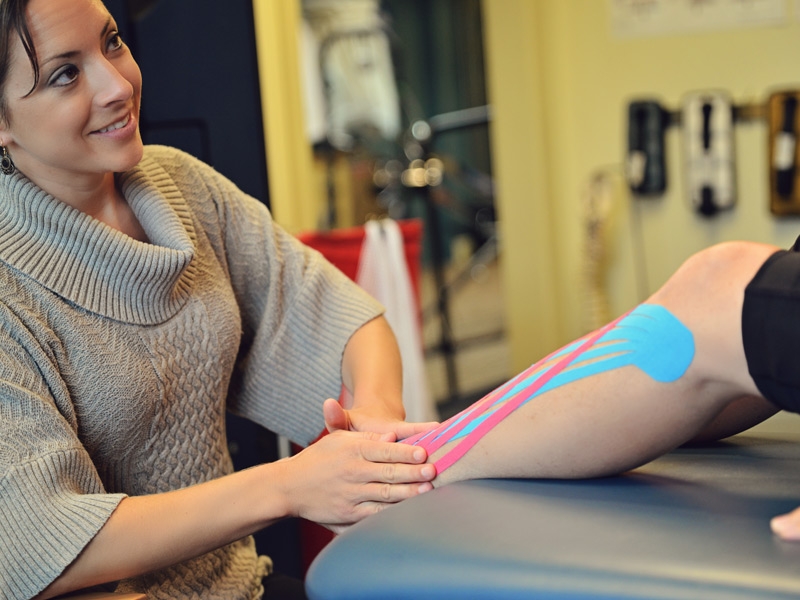
Torment in joints and muscles of the neck, back, shoulder, knee and so on are very normal, and are looked by individuals at some point or the other throughout everyday life. It could be excited or intense at times, which could require the administrations of a clinical specialist. Nonetheless, many individuals wonder when they ought to counsel a physiotherapist for Physiotherapy Baulkham Hills and when they ought to rather endure it and attempt OTC medications and home solutions for torment the executives. Here are the main 5 justifications for why you want to reach out to a Physiotherapist.
Degenerative Joint Conditions:
Joint inflammation and different states of the joints, set apart by firmness, enlarging and agony can be indicative of degeneration of the joints. A physiotherapist is probably going to suggest numerous supportive techniques, for example, physiotherapy activities, or joint substitution medical procedures in serious cases. With his assistance, you could possibly perform straightforward exercises much better -, for example, strolling around, remaining from or sitting in a seat, climbing steps and so on.
Torment the executives:
In the event that you are experiencing a pestering aggravation which is getting severer continuously, you might want to find support from a certified physiotherapist. He can suggest control of bones and joints or manual treatments, microcurrent feeling, cold laser treatments to treat fiery circumstances, rubs and so on. Physiotherapy is the best solution for throbs and agony in numerous region of the body, like heel, hip, Sciatica, neck, back, shoulder and knee.
Delicate Tissue Injuries:
Bursitis, Tendonitis, Contusions, Strains and Sprains are a portion of the wounds of the delicate tissue, and these emerge because of sudden developments that happen because of day to day exercises or sports. A legitimate recovery office and physiotherapy practices are required for the treatment of the fundamental states of such kinds of wounds. Torment the executives Baulkham Hills takes progressing and long conference with physiotherapists. Normally, treatment is required over different meetings and you need to visit a physiotherapist’s facility for various times.
Tissue Reconstruction and Joint Replacement Surgeries:
These are required in outrageous cases, when prescriptions, physiotherapy practices or other harmless techniques neglect to achieve an improvement in the circumstance – be it agony, solidness or aggravation. Following these sorts of medical procedures, you really want conference with a full-time physiotherapist for getting back full-body developments. At the point when physiotherapy is finished after activity, you can get back the strength of your body and the adaptability to do regular exercises. You need to completely help out your physiotherapist to obtain the best outcomes.
Spinal Cord and Brain Injuries:
These are very intense wounds, and patients need the administrations of an accomplished physiotherapist in head injury recovery, Parkinson’s recovery, stroke recovery, vestibular problems facility and so on. With propels being made in the space of physiotherapy, it is currently conceivable to have the help of a physiotherapist in dialing back the pace of spinal line and cerebrum wounds, nerve capability and cell recovery. These are the absolute most excited and intense wounds of the body, for which you can get help from a specialist physiotherapist.
7 Tips To Find The Best Physiotherapist In Surrey BC
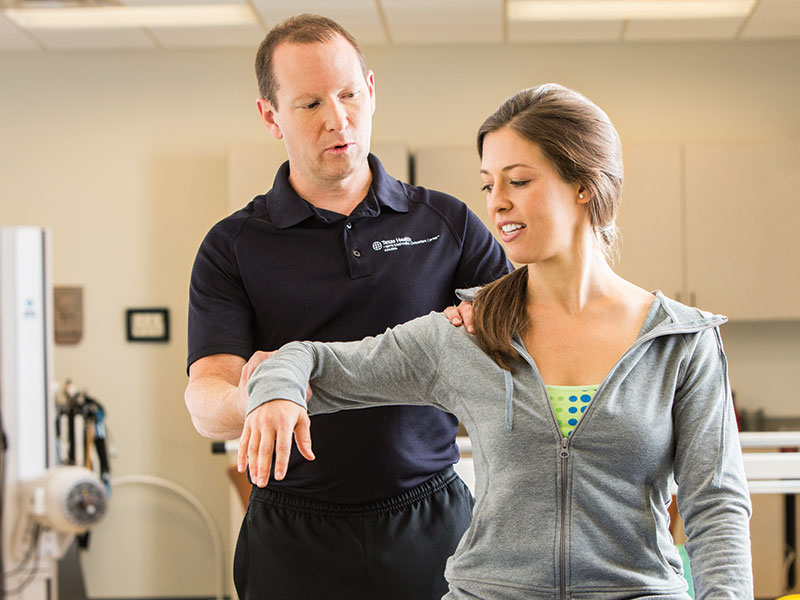
Getting bothered of a well established muscle torment? Physiotherapy is the best way to mend your aggravation with practically no intrusion or drug. Track down an expert physiotherapist in Surrey and dispose of the touchiness, rapidly. In any case, do you have at least some idea who is the most incredible in Surrey! Indeed, it’s hard to track down the most reliable physiotherapist, thinking about such countless fakes. Just to make things simpler for you, the following are a couple of tips to pick the most capable physiotherapist in Surrey.
7 hints on picking the best physiotherapist
It’s few out of every odd day that you want a physiotherapist, so clearly you don’t have contacts. You should simply investigate and find the best facility that can mend your aggravation. As opposed to you simply riding the name in Google, here’re a couple of interesting points during your RND:
- Look for proposals: Internet might show you scores of various names however that might lead you into a pool of disarray. Thus, it’s smarter to inquire as to whether they know any extraordinary physiotherapist. Take a stab at asking a companion or precious ones, who have recuperated from a new physical issue through physiotherapy. Individuals near you might direct you the best with some appropriate data.
- Trust on surveys and criticisms: Friends’ suggestions are dependably perfect, however have little to no faith in on their expressions of mouth. Visit the site of the physiotherapist and actually look at the tribute area. Peruse the audits cautiously and attempt to comprehend what the past clients need to say regarding the expert. Try not to overlook the negative audits.
- Check their capabilities: If you track down the audits dependable, read more about the physiotherapist. While managing any sort of wellbeing proficient, it’s fundamental that the master is exceptionally qualified and completely licensed. They should have legitimate degree and affirmed, indorsed by government enrolled instruction organization. Ensure your physiotherapist is an individual from Physical Therapists British Columbia (PABC).
- Know the important main subject area: Physiotherapy covers a huge range and it’s impractical for any physiotherapist to have mastery in the entirety. Similarly as there is next to zero point in counseling a heart specialist about your tooth hurt, it will be just loss of time on the off chance that you don’t counsel a physiotherapist who have significant capability on your specific issue. On the off chance that you are searching for a post-employable physiotherapy after a detour a medical procedure, then you really want a cardiovascular physiotherapy meeting, and see an expert in outer muscle conditions assuming you are experiencing well established low-back torment.
- Location is a main pressing issue: If could appear to be that area is something minor, yet it’s not. It’ll be hard for you on the off chance that you need to travel a significant distance with your aggravation. Indeed, even seeing somebody at far off area for your post-employable physiotherapy sessions is troublesome. Typically, patients are totally taught of not going with a physical issue or sore condition. It’s wise to track down a close by capable physiotherapist, particularly when the aggravation is constant.
- Consider the techniques for treatment: A second-surmise on the treatment recommended by the physiotherapist is rarely insightful, yet you might have an inclination for a specific strategy for treatment.