






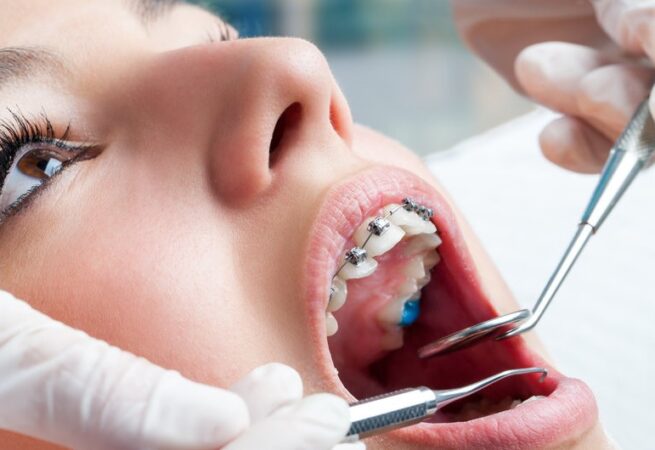






Why “Clean Label” Now Matters More Than the Supplement Itself
If you rewind a few years, most people buying supplements were focused on one thing:
👉 “What does it do?”
Now, that’s only half the question.
The other half is:
👉 “What’s actually in it?”
And that shift has changed everything.
People aren’t just looking at benefits anymore — they’re looking at ingredients, sourcing, how it’s made, and whether they actually trust it.
That’s where this whole “clean label” movement has come from. And it’s not a small trend — it’s becoming the standard.
You’ll even see it influence how people choose everyday products, whether that’s vitamins, functional drinks, or something like CBD products UK, where transparency and quality matter just as much as the product itself.
People Are Reading Labels Now (Properly)
Not long ago, most people wouldn’t look past the front of the packaging.
Now they’re flipping it over straight away.
Checking things like:
- ingredient lists
- additives
- where it’s made
- how simple it is
And if something looks overly complicated, it raises questions.
That’s a big change.
Because it means brands can’t rely on marketing alone — people are actually paying attention.
Less Ingredients = More Trust
There’s a clear pattern in what people prefer right now.
Shorter ingredient lists.
Not because “more ingredients are bad,” but because:
👉 simpler = easier to understand
👉 easier to understand = easier to trust
If someone picks up a product and sees a long list of things they don’t recognise, it creates doubt.
Whereas something simple feels more transparent.
The Shift Away from “Over Formulated” Products
There was a period where more ingredients meant “better.”
You’d see products packed with:
- multiple vitamins
- extracts
- blends
- added extras
Now people are starting to question that.
Instead of:
👉 “this has everything in it”
They’re thinking:
👉 “do I actually need all of this?”
So we’re seeing a move toward:
- single ingredients
- focused products
- less unnecessary additions
Third-Party Testing Is Becoming Expected
Another big shift is that people don’t just want to trust what’s on the label — they want proof.
That’s why things like third-party testing are becoming more important.
Even if someone doesn’t fully understand the details, they recognise:
👉 independent testing = higher trust
And once that becomes expected, it raises the standard across the whole industry.
It’s Not Just About Supplements
What’s interesting is this mindset isn’t limited to one category.
People are applying it to everything:
- food
- skincare
- supplements
- even daily-use products
So once someone starts thinking this way, it carries across their whole routine.
That’s why products like CBD products UK are often chosen based not just on what they do, but how clearly they’re presented and how transparent the brand is.
Social Media Has Made People More Aware
Social media has definitely played a role in this.
There’s a lot more discussion now around:
- ingredients
- quality
- what to avoid
- what to look for
Some of it is noise, but overall it’s made people more aware.
And once people start paying attention, they don’t really go back to ignoring it.
People Want to Feel in Control
At the core of all this is control.
People don’t want to feel like they’re just trusting a label blindly.
They want to:
- understand what they’re taking
- feel confident in it
- know it fits into their routine
That’s why transparency matters so much.
It removes that uncertainty.
Simple Routines Are Still the Goal
Even with all this extra awareness, the goal hasn’t changed.
People still want:
- simple routines
- easy products
- things they’ll actually stick with
So instead of adding more and more supplements, they’re choosing:
- fewer products
- better quality
- clearer ingredients
That’s a much more sustainable approach.
The Industry Is Being Forced to Improve
This shift is also pushing brands to step up.
Because now:
- vague labels don’t work
- unclear ingredients get questioned
- overcomplicated products get ignored
So companies have to:
- be clearer
- be more transparent
- focus on quality
And that’s a good thing for everyone.
Final Thoughts
The supplement industry is definitely changing — but not in the way most people expected.
It’s not about:
❌ More products
❌ More ingredients
❌ More complexity
It’s about:
✅ Clarity
✅ Trust
✅ Simplicity
People are building routines that feel realistic, choosing products they understand, and sticking with things that fit into their day — whether that’s basic nutrients, functional supplements, or everyday options like CBD products UK.
Because in the end, it’s not just about what a supplement does.
It’s about whether you trust it enough to take it every day.

Revolutionary Advances: The Best Health Solutions Emerging in Digital Wellness
The digital era transforms how people manage physical health. Modern tools offer constant support for every living creature. You might even consult a Veterinær guide to help your pets today. Technology connects patients with doctors across vast distances. These systems simplify complex medical tasks for everyone. Innovation brings fresh hope to the global medical landscape. Now, wellness is a reachable goal for many families.
The Rise of Mobile Health Applications
Smartphones host powerful tools for daily fitness tracking. These apps monitor diet and sleep patterns very well. People track their heart rates during long morning runs. The software provides instant feedback on daily calorie goals. Sometimes, users share progress with friends for extra motivation. Consistent use builds strong habits over many months. Developers create simple interfaces for older users to enjoy. But the real magic lies in personalized health insights.
Real Time Monitoring
Watches now track vital signs with incredible accuracy levels. These small gadgets measure oxygen levels while you sleep. They alert users to irregular heart rhythms quite quickly. This constant watch prevents many serious medical emergencies. Athletes use these tools to optimize their training loads. The sensors collect data without any bulky wires involved. Now, people feel safer knowing their bodies are monitored. Tech companies improve battery life for longer wearing times. You get a full picture of your inner health.
Telemedicine and the Virtual Clinic Experience
Virtual visits replace long waits in crowded doctor offices. Patients talk to specialists from their own living rooms. This system saves time and reduces travel costs significantly. Rural areas benefit most from these digital doctor connections. High-definition video makes physical examinations much more effective. So, geographical barriers no longer stop quality medical care. Doctors review digital records while talking to their patients. This process streamlines the entire consultation for both parties. Digital prescriptions arrive at local pharmacies almost instantly.
Artificial Intelligence in Personal Wellness Coaching
Computers analyze health trends faster than any human mind. AI bots provide mental health support through text chats. They offer calming exercises when stress levels rise high. The machines learn your specific needs through daily interaction. Sometimes, the software predicts potential illnesses before symptoms appear. This proactive approach changes the face of modern medicine. Algorithms suggest specific meals based on your blood sugar. You receive a custom plan for your unique body. Tech experts ensure data privacy for all sensitive information.
Conclusion
The digital revolution makes wellness easier for the masses. These tools bridge the gap between patients and providers. You have the power to change your life today. Technology serves as a silent partner in your health. Embrace these changes for a much longer, happier life.

VNUS Closure: Why the Best Vein Surgeon in New York Trusts This Procedure
For patients suffering from painful varicose veins, VNUS Closure—also known as the Venefit Procedure—has emerged as one of the most reliable treatment options available. This minimally invasive technique uses radiofrequency energy to heat and seal faulty veins from the inside, allowing the body to naturally reroute blood to healthier vessels. The procedure requires only local anesthesia, involves no hospital stay, and most patients return to normal activities within a day or two.
But here is what truly determines success: the skill of the physician performing it.
A procedure is only as good as the person performing it. VNUS Closure requires precise ultrasound guidance, accurate catheter placement, and a deep understanding of each patient’s unique venous anatomy. When performed by someone with limited experience, even the best technology can produce mediocre results.
This is why finding the best vein surgeon in New York matters so much. A true vein expert in NY does not simply follow a protocol. They assess the entire venous system, identify all points of reflux, and tailor the treatment to address the root cause—not just the visible surface veins.
Dr. Hratch Karamanoukian at The Vein Treatment Center in Buffalo exemplifies this level of care. Double board-certified in cardiothoracic surgery and venous medicine, he was among the first physicians in Western New York to introduce the VNUS Closure procedure and has since performed thousands of successful treatments.
What Sets a True Vein Expert Apart
First, a genuine vein expert in NY performs their own duplex ultrasound examination rather than delegating it to a technician. This allows them to correlate images with symptoms and physical findings in real time.
Second, the best vein surgeon in New York does not rely on a single technique for every patient. Some individuals are better suited for VNUS Closure, while others may benefit from laser ablation, VenaSeal adhesive, or foam sclerotherapy. A true expert explains all options and recommends the approach most likely to succeed for that specific patient.
Third, they emphasize long-term vein health through compression therapy, lifestyle guidance, and follow-up care—because vein disease often requires ongoing attention.
Recognition That Matters
One reliable indicator of superior care is designation as a National Center of Excellence for Vein Disorders. The Vein Treatment Center holds this distinction, meeting rigorous standards for outcomes, technology, and patient satisfaction. Additionally, Dr. Karamanoukian’s inclusion in the “Guide to America’s Top Surgeons” reflects the respect he has earned from peers and patients.
What Patients Can Expect
During a consultation for VNUS Closure, patients receive a comprehensive evaluation including a duplex ultrasound to map blood flow and identify malfunctioning veins. The procedure itself takes less than an hour with local anesthesia, and patients walk out immediately afterward. Compression stockings are worn briefly to support healing, and follow-up appointments ensure the treated vein remains closed.
For residents of Buffalo, Williamsville, and across New York, access to world-class vein care does not require traveling to a major metropolitan center. The Vein Treatment Center offers advanced technology and genuine expertise right in Western New York.
If you are considering vein treatment, choose your provider wisely. Look for a true vein expert in NY with a track record of successful outcomes. Your vein health affects how you feel every day—do not settle for less.
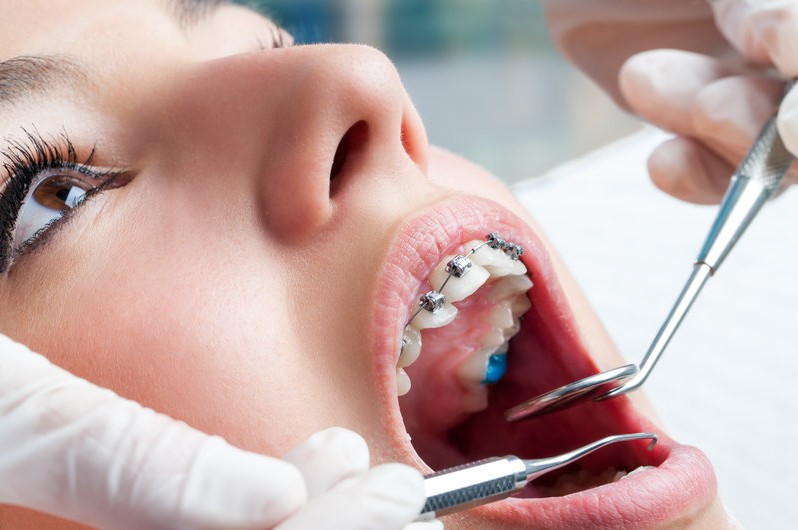
Green Dentistry: Sustainable Practices Every Dental Clinic Should Adopt
Green dentistry is a growing movement. It supports health and protects nature. The modern dental clinic must change. The industry creates heavy waste. It also uses high energy daily. But patients now expect better values. So, clinics must rethink daily systems. Sustainable care reduces harm. It improves public trust.
Energy Efficiency in Clinical Operations
Energy use stays very high. Dental tools need steady power. Lighting runs all day. Heating and cooling systems work hard. The demand increases operating costs and carbon output. So smart upgrades become essential steps. LED lights cut energy waste. Modern compressors save power. Digital systems replace older machines. The result lowers long term expenses. Elite Dental Center uses efficient equipment. The approach reduces environmental strain. Now staff members monitor energy flow. Careful tracking prevents hidden losses.
Digital Dentistry and Paperless Records
Paper files fill large rooms. They create storage problems. Printing wastes ink and paper. Digital records solve these issues. Electronic systems protect patient information safely. So, clinics reduce physical storage needs. Online forms save resources. Digital imaging avoids chemical films. The shift also improves workflow speed. The team at Elite Dental Center supports digital systems. The process feels smooth and clean. Sometimes patients prefer online access. Secure portals increase communication ease.
Responsible Waste Management Practices
Dental waste requires careful control. Some materials contain toxins. Amalgam waste harms water systems. Proper separators prevent mercury pollution. Clinics must install filtration units. Recycling programs reduce landfill burden. Reusable tools cut single use plastics. Sterilization maintains hygiene standards safely. The strategy protects community health. Staff training strengthens waste compliance. Now clear policies guide every action. Environmental audits ensure accountability.
Water Conservation in Daily Procedures
Water flows constantly in clinics. High suction tools use gallons daily. Traditional systems waste clean water. Efficient devices reduce excess flow. Conservation becomes a priority goal. Vacuum systems with dry technology help greatly. Low flow faucets limit unnecessary use. Routine checks prevent leakage problems. The savings support local resources. Patients notice responsible practices. The effort builds public confidence. Sustainable plumbing upgrades offer long term value.
Eco Friendly Materials and Patient Awareness
Dental materials shape environmental impact. Some products contain harsh chemicals. Biodegradable options reduce toxic residue. Suppliers now offer safer alternatives. Procurement decisions matter deeply. Reusable cups replace disposable plastics. Eco friendly cleaners protect indoor air. Natural light enhances treatment spaces. The atmosphere feels calm and healthy. Staff members explain sustainable choices clearly. Patients appreciate transparent communication. The message encourages shared responsibility.
Conclusion
Green dentistry supports long term wellness. It protects natural ecosystems. Sustainable systems reduce operational costs. They also strengthen brand reputation. Every clinic should adopt change. Environmental care reflects ethical leadership. The future of dentistry must evolve. Responsible action ensures safer communities. Elite Dental Center demonstrates steady commitment. The example inspires broader industry progress.

Night Routine with Ghee Cream for Maximum Brightening Results
The night is when your skin shifts from defense mode to repair mode. Throughout the day, the skin works hard to protect itself from sunlight, pollution, stress, and dehydration. At night, however, blood circulation improves, cell turnover increases, and the skin barrier focuses on healing and renewal. This natural rhythm makes nighttime the most effective window for treatments aimed at improving clarity, tone, and radiance.
Using a brightening ghee cream during your night routine supports these biological processes rather than competing with them. Ghee-based creams nourish the skin slowly, allowing nutrients to penetrate and work over several hours. Instead of instant surface shine, the result is gradual, natural brightening that becomes visible over time.
When used correctly as a ghee moisturizer for face, ghee cream can transform dull, tired skin into a softer, more even-toned complexion by morning, while strengthening the skin for long-term glow.
Understanding What “Brightening” Really Means
Skin brightening is not about changing your natural skin color. Scientifically and dermatologically, brightening refers to improved skin clarity, smooth texture, and even tone. Dullness is often caused by dehydration, dead skin buildup, inflammation, or a weakened skin barrier rather than pigmentation alone.
At night, the skin naturally sheds dead cells and produces new ones. If this process is supported with proper nourishment, the surface becomes smoother and better at reflecting light. This is why consistent nighttime care often delivers more visible brightening than aggressive daytime treatments.
Ghee cream supports this process by deeply moisturizing the skin and calming micro-inflammation that can interfere with healthy cell turnover. Over time, the skin looks clearer, fresher, and more luminous without appearing artificially glossy.
Preparing Your Skin Before Applying Ghee Cream
A successful night routine always begins with clean, receptive skin. Applying any nourishing cream on unclean skin can trap impurities and reduce effectiveness, especially when using rich, lipid-based products.
Start by cleansing your face with a gentle, non-stripping cleanser suited to your skin type. Avoid harsh scrubs or strong foaming agents at night, as these can disturb the skin barrier and counteract the nourishing effects of ghee cream. After cleansing, pat your skin dry, leaving it slightly damp.
If you use a toner or hydrosol, choose calming options such as rose water or plain distilled water. This step helps balance the skin’s surface and improves the spread and absorption of the cream. A well-prepared base ensures that the ghee cream works on skin renewal rather than damage control.
How to Apply Ghee Cream Correctly at Night
Application technique is just as important as the product itself. Ghee cream is concentrated, so using the right amount ensures comfort and effectiveness without heaviness.
Take a small amount, about the size of a pea, and warm it gently between your fingertips. This step softens the cream and helps it glide smoothly over the skin. Apply it using slow, upward strokes, focusing on areas that tend to look dull or tired, such as the cheeks, under-eye area (avoiding direct contact with eyes), and around the mouth.
Massage gently for one to two minutes. This improves circulation and helps the cream settle into the skin. There is no need to layer additional products over it at night. Ghee cream works best when allowed to stay undisturbed, nourishing the skin throughout sleep.
The Role of Sleep in Enhancing Brightening Results
Even the best night routine cannot deliver maximum results without quality sleep. During deep sleep, the body releases growth hormones that support tissue repair, including skin regeneration. Poor or interrupted sleep can slow cell turnover and increase inflammation, leading to dullness and uneven tone.
Using ghee cream before bed creates a comforting, calming ritual that signals the body to relax. Its soothing texture and mild natural aroma help reduce sensory overstimulation, supporting better sleep quality.
When sleep and skincare work together, the skin wakes up looking more rested, hydrated, and naturally bright. Over time, this synergy becomes visible not only in skin tone but also in overall skin resilience.
How Often to Use Ghee Cream for Best Results
Consistency is key when it comes to natural brightening. Ghee cream works gradually, supporting the skin’s own repair mechanisms rather than forcing rapid changes. For most skin types, nightly use delivers the best results.
However, individual skin responses vary. Those with very oily or acne-prone skin may prefer using it three to four nights a week initially, observing how the skin adapts. Dry, mature, or sensitive skin types often tolerate daily use well and benefit from the sustained nourishment.
Seasonal changes also play a role. During colder or drier months, nightly application helps prevent dullness caused by dehydration. In warmer climates, adjusting the quantity rather than frequency usually maintains balance.
Common Mistakes That Reduce Brightening Benefits
One common mistake is using too much product. Excess cream can sit on the skin’s surface, making it feel heavy and reducing absorption. Ghee cream is potent, and a small amount is sufficient.
Another mistake is combining it with too many active ingredients at night. Strong exfoliants or retinoids can disrupt the skin barrier and interfere with the calming, nourishing effect of ghee cream. If such actives are part of your routine, alternating nights works better.
Skipping cleansing or applying the cream on sweaty or dirty skin can also limit results. Brightening depends on allowing the skin to renew itself freely, which requires a clean, balanced surface.
What Results to Expect Over Time
Natural brightening is a gradual process, and patience is essential. In the first week, most people notice improved softness and reduced tightness. The skin often feels calmer and more comfortable upon waking.
After two to three weeks of consistent use, dullness begins to fade as hydration levels stabilize and the skin barrier strengthens. The complexion appears more even, and a subtle glow becomes noticeable without makeup.
With continued use over several months, the skin’s texture improves, fine dryness lines soften, and brightness looks more inherent rather than cosmetic. This long-term improvement is what makes ghee cream especially valuable in a night routine.
Adapting the Routine to Different Skin Types
While ghee cream is versatile, adapting the routine to your skin type enhances results. Dry skin benefits from slightly more product and a gentle massage to support circulation. Sensitive skin responds well to minimal layering and slow, consistent use.
Combination skin can apply the cream mainly to drier areas, such as cheeks, while using a very thin layer on oilier zones. For oily skin, reducing quantity and focusing on nighttime use alone often prevents heaviness.
Listening to your skin’s response is crucial. Natural products work best when used mindfully rather than rigidly.
A Simple Night Ritual for Lasting Brightness
A night routine with ghee cream is not about instant transformation but about restoring the skin’s natural rhythm and vitality. By aligning with the body’s repair cycle, ghee cream supports hydration, barrier strength, and gentle renewal, the true foundations of skin brightening.
When used consistently and correctly, it helps the skin wake up looking rested, even-toned, and quietly luminous. In a world of complex skincare routines, this simple ritual proves that sometimes, lasting brightness comes from nourishment, patience, and respect for the skin’s natural intelligence.

Post-Invisalign Care: Retainers and Maintaining Your New Smile
Completing Invisalign marks a major milestone in your smile transformation. The months of dedication, discipline, and patience finally deliver straight, confident teeth. However, this achievement is only the beginning of a new phase. Post-Invisalign care is what protects your results and ensures your smile remains just as perfect years from now as it is today.
After Invisalign treatment, your teeth are in a new position but still biologically flexible. The surrounding bone and tissues require time to stabilize, which makes retention a critical part of long-term success. Without proper post-care, teeth naturally attempt to shift back toward their original positions, undoing months of progress.
Neglecting post-alignment care can eventually lead to complications that extend beyond cosmetic concerns, sometimes even increasing the likelihood of invasive procedures such as root canal treatment due to misalignment-related stress on teeth. This is why retainers and consistent maintenance are not optional; they are essential for preserving both beauty and oral health.
Why Retainers Are Essential After Invisalign
Retainers serve as guardians of your newly aligned smile. They hold your teeth in their corrected positions while your jawbone and surrounding tissues adapt to the new alignment. Without this support, teeth can drift unpredictably, often within weeks.
The first few months after Invisalign are the most critical. During this phase, consistent retainer use ensures that the alignment becomes permanent rather than temporary. Over time, the bone remodels itself around the teeth, locking them into their new positions.
Retainers also help maintain bite balance. Proper bite alignment distributes chewing forces evenly, preventing uneven wear and reducing strain on individual teeth. This balance is vital for long-term comfort and durability.
Types of Retainers and Their Role in Comfort
Different retainer options are available, each designed to suit specific lifestyle and comfort needs. Clear retainers are popular for their discreet appearance, while traditional wire retainers offer durability and precise control.
The right retainer should feel secure without causing pressure or soreness. Comfort plays a key role in compliance, and compliance determines success. A retainer that fits well encourages consistent use, while an uncomfortable one often ends up forgotten in a case.
A well-chosen retainer becomes part of your daily routine, protecting your smile effortlessly and silently.
Daily Retainer Care for Hygiene and Longevity
Clean retainers are essential for both comfort and oral health. Bacteria, plaque, and food particles can accumulate quickly, leading to unpleasant odors, discoloration, and gum irritation.
Basic care includes:
- Rinsing retainers after every use
- Gently brushing with a soft toothbrush
- Allowing them to dry before storage
Avoid exposing retainers to heat, as it can warp their shape and compromise fit. Proper hygiene not only preserves your retainer but also protects your gums and teeth from infection.
Maintaining Your Smile Through Lifestyle Choices
Post-Invisalign care extends beyond retainers. Lifestyle habits directly influence how long your results last. Diet, hydration, and oral hygiene all play important roles in maintaining alignment and enamel strength.
Sugary and acidic foods weaken enamel, making teeth more vulnerable to staining and wear. Hydration supports saliva production, which naturally cleanses the mouth and neutralizes acids. Brushing and flossing consistently prevent plaque from pushing teeth out of alignment over time.
Your smile thrives when daily habits support the structure you worked hard to achieve.
Monitoring Changes and Scheduling Regular Checkups
Even with perfect retainer use, regular dental evaluations remain essential. Subtle shifts can occur without obvious symptoms. Early detection allows minor corrections before they become visible problems.
Professional checkups also ensure that retainers continue to fit correctly. As teeth stabilize, slight adjustments may be required to maintain optimal support.
Consistent monitoring protects your investment and provides peace of mind that your smile is progressing as intended.
Psychological Confidence of a Maintained Smile
A straight smile is not only a physical feature, but it is also an emotional asset. Confidence increases naturally when you know your smile is stable, healthy, and attractive. This confidence influences communication, social interaction, and even professional presence.
Maintaining your Invisalign results reinforces self-esteem and encourages a positive self-image. Retainers become symbols of self-care rather than inconvenience.
What Happens If Retainers Are Ignored
Ignoring retainer use often leads to gradual tooth movement. The change may be subtle at first, but over time, gaps, crowding, and bite imbalance become noticeable. Correcting these issues may require new orthodontic intervention, which can be both time-consuming and costly.
In addition to alignment issues, shifting teeth creates uneven pressure points that increase the risk of enamel damage and gum stress. This highlights why consistent retention is not merely recommended; it is essential.
Travel, Work, and Retainer Convenience
Modern retainers are designed to fit seamlessly into busy lifestyles. Compact storage cases, lightweight materials, and easy cleaning methods allow you to maintain your routine even while traveling.
Consistency matters more than perfection. Even during hectic schedules, prioritizing retainer use preserves months of orthodontic effort with minimal daily commitment.
Long-Term Oral Health Benefits
A stable smile improves overall oral function. Proper alignment supports even chewing, clearer speech, and balanced jaw movement. These benefits reduce strain on the jaw joints and prevent uneven tooth wear.
Maintaining alignment also simplifies oral hygiene. Straight teeth are easier to clean, reducing plaque buildup and supporting healthier gums. Over time, this leads to fewer dental complications and stronger overall oral health.
Teaching Children and Teens Post-Orthodontic Discipline
For younger patients, post-Invisalign care builds lifelong habits. Teaching consistency, responsibility, and hygiene creates a foundation for long-term dental wellness.
Parents play a key role in encouraging routine retainer use, reinforcing the importance of preserving results. These habits extend far beyond orthodontics and shape a lifetime of oral awareness.
Protecting the Smile You Earned
Your Invisalign journey represents commitment, patience, and self-investment. Retainers are the final and most crucial step in honoring that journey. They transform temporary results into permanent success.
Post-Invisalign care is not about restriction; it is about preservation. With mindful habits, proper hygiene, and consistent retainer use, your smile remains just as confident and radiant as the day your aligners came off.
A beautiful smile is not only created through alignment, but it is also maintained through care. And with the right approach, your new smile will continue to reflect health, confidence, and pride for years to come.

Using Art Therapy in Luxury Detox
Unlocking Creativity in Recovery
Art therapy offers a unique pathway for processing emotions and experiences without relying solely on words. In luxury detox settings, creative expression is integrated into treatment to stimulate the brain’s reward pathways and promote mindfulness. Creating art can reduce stress, increase self‑esteem and provide a sense of accomplishment, making it an invaluable tool for those who find traditional talk therapy challenging.
Forms of Art Therapy
- Painting and drawing: Visual arts allow you to convey feelings and memories through colour and shape.
- Music and songwriting: Composing or listening to music helps release emotions and improve mood.
- Dance and movement: Movement therapies connect mind and body, releasing tension and increasing body awareness.
- Pottery and sculpture: Working with clay provides tactile feedback and encourages patience and focus.
- Creative writing: Poems and stories help you explore narratives of resilience and hope.
Incorporating Creativity into Your Routine
- Schedule regular sessions: Commit to a weekly or daily creative practice.
- Try new mediums: Experiment with different art forms to discover what resonates.
- Reflect on your work: Discuss themes and emotions that emerge with a therapist.
- Share with peers: Showcasing your art can build confidence and foster community.
- Track your progress: Use art projects to document how your emotions and perceptions change over time.
- Do not judge your art—focus on the process rather than the result.
- Use colours and materials that resonate with your mood.
- Be patient; creative breakthroughs often come after initial resistance.
- Combine art therapy with other modalities like music for deeper exploration.
- Display your creations to remind yourself of your journey.
Creative exploration can continue long after detox. Let your artistic practice evolve with your recovery journey.
Additional Considerations
- Maintain a structured daily routine that balances work, self-care and social time.
- Attend regular therapy or support group sessions to stay accountable.
- Practice stress-reduction techniques like deep breathing, yoga or journaling.
- Seek support from mentors, friends and family who encourage your goals.
- Pursue hobbies and interests that enrich your life and provide joy.
It’s also important to set achievable goals and celebrate milestones along the way. Healing isn’t linear; there will be challenges, but each step forward is progress. Learn to recognise triggers and develop strategies to manage stress. Continuing to explore new interests, volunteer work, or educational opportunities can foster a sense of purpose and reinforce your decision to stay healthy.
Recovery is a lifelong journey. After detox, you’ll need to cultivate resilience through daily routines, ongoing therapy, and supportive relationships. Dedicate time each day to activities that promote mental and physical well-being, such as exercise, meditation, or creative hobbies. Surround yourself with people who respect your commitment to sobriety and seek out mentors who can guide you.
Building Resilience for Lifelong Recovery
Conclusion
Creativity can be a powerful companion on the road to sobriety. Art therapy invites you to explore your inner landscape and express yourself in healing ways. To find a programme that integrates creative modalities into its curriculum, visit luxury detox California.