












Why Recovery Is Becoming More Important Than Intensity
For many years, fitness culture rewarded one thing above all else: intensity.
People were encouraged to train harder, push through exhaustion, and follow “no days off” mentalities in pursuit of faster results. High-intensity workouts, extreme cardio sessions, and constant training became heavily promoted across social media and the fitness industry.
Today, that mindset is changing.
In 2026, recovery has become one of the most important topics in modern fitness and wellness. Athletes, gym users, and health-conscious individuals are increasingly realizing that progress does not happen only during workouts — it also happens during recovery.
As a result, more people are prioritizing:
- Sleep
- Mobility
- Stress management
- Active recovery
- Rest days
- Recovery-focused nutrition
This shift reflects a larger movement toward sustainable fitness, long-term health, and performance longevity.
Why Recovery Matters
Exercise places stress on the body.
Strength training, cardio, sports, and intense workouts all create physical fatigue that the body must recover from in order to adapt and improve.
Without proper recovery, people may experience:
- Burnout
- Poor performance
- Fatigue
- Sleep disruption
- Increased injury risk
- Mental exhaustion
- Reduced motivation
Recovery allows the body to:
- Repair muscle tissue
- Restore energy levels
- Regulate hormones
- Support nervous system function
- Improve physical performance
This is why recovery is now considered a fundamental part of any balanced fitness routine.
The Problem With Overtraining Culture
For years, social media fitness culture promoted constant intensity.
Popular messages included:
- “Train harder”
- “No excuses”
- “No days off”
- “Pain is weakness leaving the body”
While discipline and consistency are important, many people eventually discovered that excessive intensity without proper recovery often leads to diminishing results.
Overtraining may negatively affect:
- Energy
- Mood
- Hormones
- Sleep
- Motivation
- Athletic performance
This realization has caused many fitness professionals and athletes to adopt more balanced approaches to training.
Recovery and Long-Term Performance
One major reason recovery has become so important is because people increasingly care about long-term performance and longevity.
Instead of focusing only on short-term physical transformation, many individuals now prioritize:
- Sustainable fitness
- Injury prevention
- Joint health
- Mobility
- Healthy aging
Recovery helps people stay consistent over longer periods without constantly feeling exhausted or injured.
This is especially important for:
- Athletes
- Runners
- Weightlifters
- Hybrid athletes
- Older adults
- Busy professionals balancing stress and training
The modern fitness industry is increasingly moving away from burnout culture and toward performance sustainability.
Sleep: The Foundation of Recovery
Sleep is now widely considered one of the most important recovery tools available.
During sleep, the body focuses heavily on:
- Muscle repair
- Hormone regulation
- Nervous system recovery
- Cognitive restoration
- Immune support
Poor sleep can negatively affect nearly every aspect of health and fitness.
Lack of recovery sleep may contribute to:
- Reduced workout performance
- Increased stress
- Poor appetite control
- Slower recovery
- Reduced motivation
This is one reason sleep optimization has become one of the fastest-growing areas in health and wellness.
Many people now prioritize:
- Consistent sleep schedules
- Reduced screen exposure before bed
- Better sleep environments
- Stress management
- Recovery-focused nighttime routines
Active Recovery and Low-Intensity Movement
Modern recovery strategies often include active recovery rather than complete inactivity.
Low-intensity activities such as:
- Walking
- Stretching
- Swimming
- Mobility work
- Light cycling
can help support circulation and recovery without heavily stressing the body.
Walking, in particular, has become one of the most popular recovery tools because it is:
- Accessible
- Low impact
- Easy to recover from
- Beneficial for mental wellbeing
This reflects the broader movement toward lower-stress forms of exercise that support both physical and mental health.
Mobility and Recovery
Mobility work has also become a major part of recovery-focused fitness.
Mobility exercises may help:
- Reduce stiffness
- Improve movement quality
- Support joint health
- Improve posture
- Enhance flexibility
Many athletes and gym users now include mobility routines before or after workouts to support movement efficiency and reduce discomfort.
As more people prioritize long-term health and injury prevention, mobility training continues growing rapidly within modern fitness culture.
Cold Plunges, Saunas, and Recovery Trends
Recovery technology and wellness practices have exploded in popularity over the last few years.
Popular recovery methods now include:
- Cold plunges
- Ice baths
- Sauna sessions
- Massage guns
- Compression therapy
- Recovery boots
- Breathwork
Social media has played a huge role in popularizing these recovery tools.
Many people use these methods in hopes of:
- Reducing soreness
- Improving circulation
- Supporting recovery
- Lowering stress
- Enhancing overall wellbeing
While some methods have stronger scientific support than others, the growing interest in recovery reflects a major shift in modern wellness culture.
Nutrition and Recovery
Recovery is also heavily influenced by nutrition.
The body requires adequate nutrients to repair and recover effectively after exercise.
Important recovery-focused nutrition habits often include:
- Sufficient protein intake
- Hydration
- Electrolyte balance
- Whole foods
- Carbohydrates for energy restoration
As performance-focused fitness continues evolving, many people are also researching broader conversations around muscle preservation, body composition, and training support.
Within certain performance and bodybuilding communities, SARMs are commonly discussed in relation to recovery and lean muscle maintenance. For readers interested in understanding the science, safety considerations, and ongoing research conversations surrounding these compounds, this educational SARMs research guide provides a deeper overview of how SARMs are typically discussed within modern fitness culture.
Because the content focuses on education and research rather than aggressive sales messaging, it integrates naturally into broader discussions around recovery and performance optimization.
Mental Recovery Matters Too
Recovery is not only physical — mental recovery is equally important.
Constant stress from:
- Work
- Social media
- Lack of sleep
- Intense training
- Busy schedules
can negatively affect overall wellbeing.
This is why many wellness routines now emphasize:
- Mindfulness
- Walking
- Relaxation
- Time outdoors
- Lower stress lifestyles
Fitness culture increasingly recognizes that mental health and physical health are deeply connected.
Why Athletes Prioritize Recovery
Professional athletes have understood the importance of recovery for decades.
Elite sports organizations invest heavily in:
- Sleep optimization
- Physical therapy
- Mobility programs
- Recovery facilities
- Recovery technology
This is because recovery directly affects performance.
Without adequate recovery, even the best training programs eventually become less effective.
Now, everyday fitness enthusiasts are beginning to adopt similar recovery-focused strategies.
The Shift Toward Sustainable Fitness
One of the biggest changes happening in modern fitness is the shift toward sustainability.
People increasingly want:
- Long-term health
- Balanced routines
- Reduced burnout
- Better energy
- Healthy aging
- Improved quality of life
Rather than constantly chasing exhaustion, many individuals now prioritize workouts and recovery methods they can realistically maintain for years.
This approach often creates:
- Better consistency
- More stable progress
- Improved mental wellbeing
- Reduced injury risk
The Future of Recovery in Fitness
Recovery is no longer viewed as optional.
It has become one of the central pillars of modern health, fitness, and performance culture.
As more people recognize the importance of balancing training with proper recovery, the fitness industry will likely continue shifting toward:
- Smarter programming
- Better recovery habits
- Lower stress lifestyles
- Long-term wellness
Whether through sleep, mobility work, walking, nutrition, or stress management, recovery has become one of the most important tools for improving both physical and mental performance.
In modern fitness, training hard is no longer enough. Recovering properly is what allows people to continue progressing, stay healthy, and maintain long-term results.

Creating Healthier Working Environments in a High-Pressure World
Workplace demands have increased significantly in recent years. Faster decision making, constant connectivity and evolving expectations have reshaped how people experience work. While productivity tools and flexible working have delivered clear benefits, they have also introduced new challenges that can quietly undermine employee wellbeing.
As organisations adapt to these changes, many are recognising that wellbeing support must move beyond policy statements and occasional initiatives. Instead, it needs to be practical, visible and embedded into everyday working life.
Understanding the Daily Impact of Work
The strain of modern work often comes from repetition rather than extremes. Hours spent at desks, limited movement and sustained concentration can place ongoing pressure on the body and mind.
Over time, this can lead to physical discomfort such as tight shoulders, lower back pain and headaches. These issues are often accompanied by mental fatigue, reduced focus and irritability. When left unaddressed, they can affect morale, engagement and overall performance.
Recognising these patterns is the first step towards creating healthier working environments.
Bringing Wellbeing Closer to Employees
Wellbeing initiatives are most effective when they are easy to access. If support requires employees to sacrifice personal time or navigate complex booking systems, uptake is likely to be limited.
For this reason, many organisations are choosing to deliver wellbeing support directly within the workplace. On site initiatives help normalise wellbeing as part of the working day rather than something separate from it.
As part of this approach, services such as corporate massage are increasingly being introduced in office environments. These sessions can be scheduled during work hours, require minimal space and help employees manage physical tension without disrupting productivity.
Supporting Physical Wellbeing to Improve Performance
Physical comfort plays a vital role in how people work. Persistent discomfort can reduce concentration, increase stress and make even simple tasks feel more demanding.
Supporting physical wellbeing can help improve focus, energy levels and overall job satisfaction. When employees feel physically supported, they are better equipped to handle pressure and maintain a steady pace of work.
This approach also reinforces the idea that wellbeing is preventative. Addressing small issues early helps reduce the risk of more serious problems developing over time.
Wellbeing and Organisational Culture
Wellbeing initiatives do more than support individual health. They also shape workplace culture. Visible, consistent support signals that an organisation values its people and understands the realities of modern work.
This has a direct impact on trust and engagement. Employees who feel supported are more likely to be committed, collaborative and motivated.
Wellbeing also plays a growing role in recruitment and retention. Organisations that prioritise employee health are increasingly seen as employers of choice, particularly among professionals seeking sustainable careers rather than short term gains.
Making Wellbeing Sustainable
Sustainable wellbeing strategies focus on consistency rather than scale. Small, regular initiatives are often more effective than large, infrequent programmes.
Listening to employee feedback helps ensure wellbeing support remains relevant and inclusive. Different teams have different needs, and flexibility is key to long term success.
By embedding wellbeing into daily routines and organisational values, businesses can move away from reactive responses and towards a more proactive, supportive approach.
Looking Towards the Future of Work
The future of work will continue to evolve, bringing new challenges and opportunities. Organisations that invest in practical wellbeing support will be better positioned to adapt and thrive.
By focusing on everyday comfort, accessibility and prevention, employers can create environments where people feel supported and able to perform at their best.
In doing so, wellbeing becomes not just an initiative, but an integral part of how work is done.
Vital Fit Track Reviews: I Tried This Fitness Tracker
As a retired, overweight gentleman in my golden years, I never thought I’d be excited about a fitness gadget. But here I am, absolutely thrilled to share my experience with the Vital Fit Track smartwatch. After years of neglecting my health and watching my waistline expand, I decided it was high time to take control of my fitness journey. That’s when I stumbled upon this nifty little device, and let me tell you, it’s been a game-changer for this old-timer.
From the moment I strapped the Vital Fit Track to my wrist, I felt a renewed sense of purpose. Its sleek design didn’t make me feel like I was wearing some clunky, high-tech gizmo that screamed “I’m trying to get in shape!” Instead, it looked stylish enough that I didn’t mind wearing it all day, every day.
What really impressed me was how easy it was to use, even for someone who still struggles with smartphones. The clear display and intuitive interface meant I could track my steps, heart rate, and even my sleep patterns without feeling like I needed my grandkids to explain it to me.
And let me tell you, seeing those numbers improve day by day has been incredibly motivating.
But the real magic of the Vital Fit Track? It’s made this old dog excited about learning new tricks when it comes to fitness. Whether I’m taking a brisk walk around the neighborhood or trying out some light weightlifting (who knew I’d ever say that?), this smartwatch has become my constant companion and cheerleader.
So, if you’re like me – no spring chicken but ready to take flight on a healthier path – stick around as I dive into the details of why the Vital Fit Track might just be the perfect fitness partner for us seasoned folks looking to shed a few pounds and add some pep to our step.
What is Vital Fit Track?
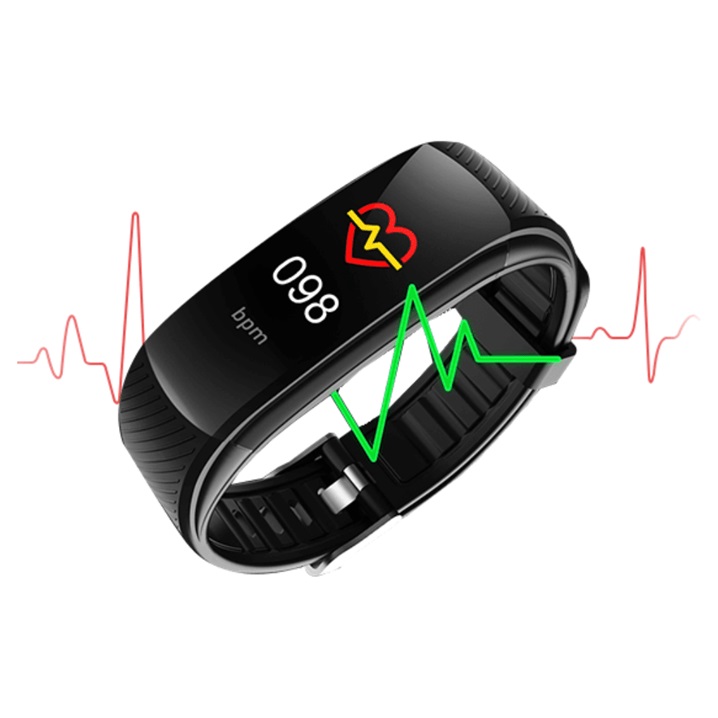
Vital Fit Track is an advanced fitness tracker and smartwatch designed to help users monitor their health and fitness metrics in real-time. This fashionable wearable device combines the functionality of a fitness tracker with the features of a smartwatch, offering a comprehensive solution for those looking to improve their overall wellness.
Key features of the Vital Fit Track include:
- Heart rate monitoring
- Blood pressure monitoring
- Blood oxygen level tracking
- Step counting
- Calorie tracking
- Distance measurement
- Sleep quality analysis
- Call and message notifications
- Weather updates
The device is equipped with smart sensors that allow for accurate measurement of vital health parameters, making it a valuable tool for maintaining and improving one’s health.
How Does It Work
Vital Fit Track utilizes advanced technology to provide users with accurate and real-time health and fitness data:
- Smart sensors: The device is equipped with precision sensors that continuously monitor various health metrics throughout the day.
- Data processing: An upgraded chip and improved algorithm process the collected data to provide accurate readings and insights.
- Bluetooth connectivity: Vital Fit Track uses Bluetooth 5.0 to connect with your smartphone, enabling seamless data synchronization and smart notifications.
- Mobile app integration: The device pairs with a dedicated mobile app, allowing users to view detailed health reports, set goals, and track progress over time2.
- Low power consumption: The advanced chip ensures efficient power usage, resulting in longer battery life and faster charging.
How to Use Vital Fit Track
Using the Vital Fit Track is straightforward and user-friendly:
- Charge the device: Ensure your Vital Fit Track is fully charged before first use.
- Download the app: Install the companion app on your smartphone. The app is available for both Android and iOS devices2.
- Pair the device: Turn on Bluetooth on your smartphone and follow the in-app instructions to pair your Vital Fit Track with your phone.
- Wear the device: Place the Vital Fit Track on your wrist, ensuring it’s snug but comfortable.
- Monitor your health: Throughout the day, the device will automatically track various health metrics. You can view real-time data directly on the device’s display.
- Check notifications: Receive call, text, and app notifications directly on your wrist.
- Review data: Open the companion app to view detailed health reports, set fitness goals, and track your progress over time2.
- Customize settings: Use the app to personalize your device settings, such as adjusting display brightness or setting up activity reminders.
- Regular charging: Charge your Vital Fit Track as needed to ensure continuous tracking and monitoring.
By following these steps, users can make the most of their Vital Fit Track, leveraging its advanced features to monitor and improve their health and fitness levels.
What I Like About Vital Fit Track
- Ease of Use: The interface is intuitive and easy to navigate, even for someone who’s not tech-savvy.
- Comprehensive Health Monitoring: It tracks heart rate, steps, sleep, and even blood pressure, providing a well-rounded view of my health.
- Motivational Features: The device gently nudges me to stay active with reminders and goal-setting options.
- Smart Notifications: I appreciate being able to receive calls and messages on my wrist without having to reach for my phone.
- Comfortable Design: The watch is lightweight and comfortable to wear all day, even during workouts.
- Battery Life: It lasts several days on a single charge, which is convenient for continuous tracking.
What I Don’t Like About Vital Fit Track
- Limited Display Size: The small screen can be a bit challenging to read for someone with aging eyes.
- Occasional Syncing Issues: Sometimes, the device takes a while to sync with the smartphone app.
- Basic App Interface: While functional, the app could benefit from a more modern design and additional features.
- Water Resistance Limitations: Although it is water-resistant, I wish it were fully waterproof for swimming sessions.
- Initial Setup: The initial pairing process was a bit tricky and could be streamlined for ease of use.
Is Vital Fit Track Legit?
Yes, from my experience, the Vital Fit Track stands out as a legitimate and reliable fitness tracker for several reasons. First and foremost, the accuracy of its health monitoring features is impressive. I have cross-checked its heart rate and step count with other devices, and it consistently delivers precise readings. This accuracy gives me confidence in the data it provides, which is crucial for someone like me who is serious about improving my health.
Moreover, the device’s build quality and design reflect a commitment to durability and user comfort. It feels sturdy on my wrist, and its sleek appearance makes it suitable for any occasion, whether I’m at the gym or attending a social gathering. The attention to detail in its construction assures me that it’s built to last.
Lastly, the positive impact it has had on my lifestyle is undeniable. Since using the Vital Fit Track, I’ve become more active and health-conscious, which has led to noticeable improvements in my overall well-being. The device’s ability to seamlessly integrate into my daily routine and encourage healthier habits is a testament to its effectiveness. For these reasons, I wholeheartedly believe that the Vital Fit Track is a legitimate tool for anyone looking to enhance their fitness journey. You can also read other Vital Fit Track reviews if you’re still in doubt.
Where to Buy Vital Fit Track
For those looking to buy the Vital Fit Track, the Vital Fit Track official store is the way to go. Purchasing directly from the official store guarantees that you are getting the genuine product, complete with the most recent updates and features. My transaction with the official store was smooth, with prompt delivery and excellent customer support.
Plus, the official store often provides special discounts and offers, making it a worthwhile option.