








FisioRest Reviews: Better Than a Neck Pillow?
As a financial analyst, my daily life is dictated by numbers, long-term projections, and endless hours staring at dual screens filled with financial models, market feeds, and dense spreadsheets. By 5:00 PM every day, my body inevitably pays the price for this intense focus. Tech neck, chronic upper back stiffness, and throbbing tension headaches at the base of my skull had become standard operating liabilities. Over the past few years, I spent thousands of dollars on physical therapy, chiropractic visits, and various gadgets that promised quick relief but rarely delivered sustained value. When I finally decided to test the FisioRest 3-in-1 Therapeutic Neck Pillow, I approached it like any other investment asset: with healthy skepticism, strict evaluation criteria, and a keen focus on performance and return on investment.
After testing the device consistently over several weeks, I can share a comprehensive evaluation of how this therapeutic neck massager performs in real-world conditions, dissect its core technology, and assess whether it earns a spot in your daily health and wellness portfolio.
The Ergonomic Capital: Design and 3-in-1 Technology
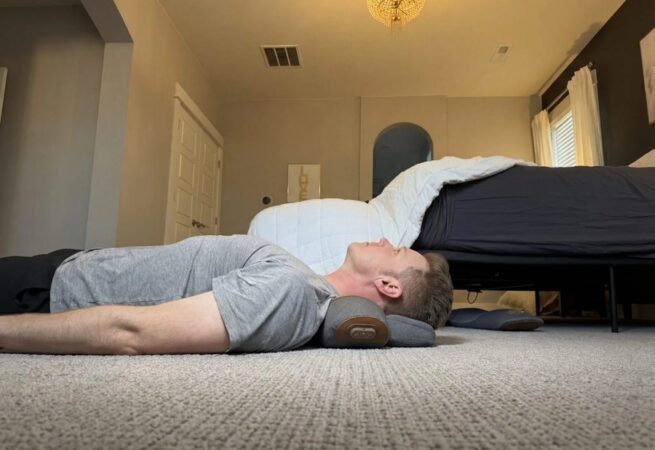
When evaluating wellness devices, structural integrity and engineering design are paramount. Many traditional neck massagers rely on harsh rotating plastic nodes that press heavily against tender muscles while you sit upright, which often worsens strain on an already fatigued spine. The FisioRest takes a fundamentally different approach as a specialized 26-degree contoured memory foam cradle engineered for lying down during treatment.
The unit integrates three distinct therapeutic modalities into one seamless 15-minute routine:
1. 26-Degree Cervical Traction
Using your own body weight, the pillow’s ergonomic curvature creates a gentle 26-degree stretch along the cervical spine. This decompression opens up intervertebral disc spaces, relieving nerve pressure caused by hours of slouching over workstations and financial terminals.
2. Deep Contact Heat Therapy
With multiple adjustable thermal settings, the device delivers penetrating warmth directly to stiff suboccipital and upper trapezius muscles. Heat increases local blood flow, accelerating tissue recovery and prepping tight muscle fibers for deeper relaxation.
3. Targeted Acoustic Vibration Massage
Rather than aggressive mechanical kneading, FisioRest utilizes targeted vibration pulse modes. This rhythmic stimulation breaks up deep muscle spasms and resets overworked trigger points along the upper neck and shoulders.
Crafted from premium high-density, slow-rebound memory foam, the pillow offers firm yet comfortable structural support that does not collapse under pressure. It also features a soft, removable, and machine-washable outer cover powered conveniently via a standard USB-C connection, making it easy to use at home or pack for corporate travel.
My Testing Routine and Firsthand Results
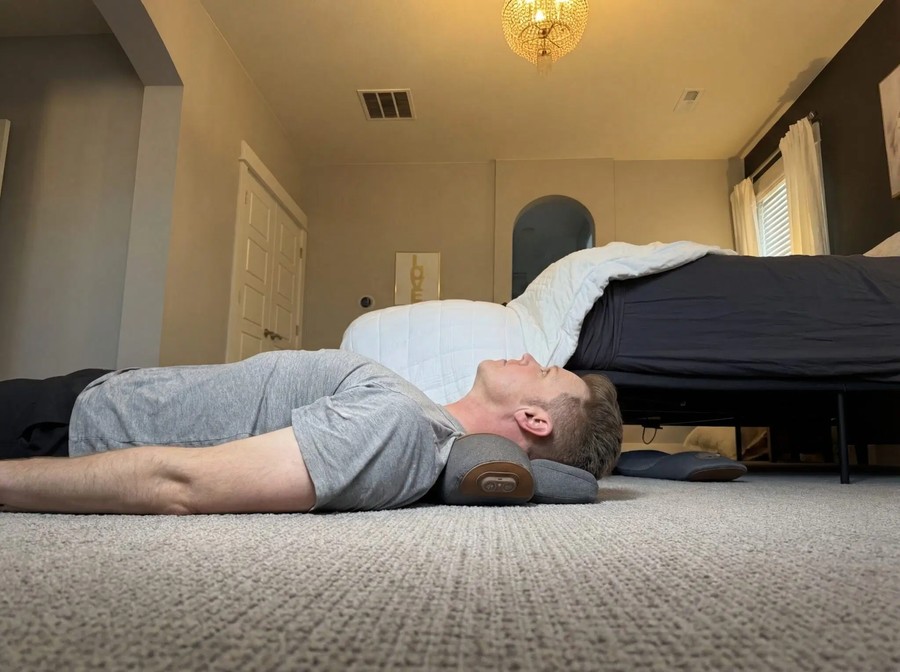
I integrated the FisioRest into my end-of-day post-market routine. Immediately after closing out my daily logs, I placed the device on a firm rug in my home office, plugged in the power source, aligned my neck into the central cervical cradle, and selected medium heat paired with the secondary vibration pulse setting.
During the first five minutes of the 15-minute session, the initial sensation was a noticeable yet incredibly comfortable spinal stretch. As the contact heat penetrated deep into my upper neck, I felt the tight muscles at the base of my skull begin to soften. By minute ten, the combination of cervical decompression and gentle vibration induced a state of deep physical relaxation. The automatic shut-off feature ensured I did not overwork my muscles, providing a standardized, hassle-free routine every single evening.
Within two weeks of daily use, the cumulative physical benefits became undeniable. The recurring tension headaches that usually plagued my late afternoons diminished significantly. My posture during market hours naturally improved because my neck and shoulders were no longer locked in tight compensation patterns. Furthermore, taking 15 minutes to decompress before bedtime noticeably improved my sleep quality, allowing me to wake up refreshed and fully focused for the market opening.
Financial Breakdown: Evaluating Cost vs. Value
From an analytical standpoint, evaluating any health product requires looking at cost per session and opportunity cost. Professional physical therapy sessions or targeted massages often cost anywhere between $80 and $150 per visit, easily totaling over $1,500 annually for basic ongoing maintenance. When you factor in commute time, scheduling friction, and recurring bills, the financial burden adds up fast.
In contrast, the FisioRest requires a modest one-time capital outlay. Given its durable high-density memory foam construction and reliable electronics, the cost amortizes down to mere pennies per day over a single year of use. The device eliminates recurring clinic expenses while delivering on-demand physical relief right at home whenever stress peaks.
Final Verdict: Is FisioRest Worth Buying?
After rigorous testing and analyzing both the quantitative and qualitative benefits, my conclusion is clear: FisioRest is worth buying. It bridges the gap between passive foam stretchers and expensive physical therapy, offering a well-engineered 3-in-1 solution that effectively targets cervical traction, deep heat, and targeted vibration massage. For corporate professionals, financial analysts, tech workers, or anyone struggling with chronic tech neck and daily stiffness, the high build quality, therapeutic effectiveness, and compelling cost-per-use profile make this therapeutic neck pillow an exceptionally smart investment for your long-term health.
Where to Buy FisioRest
For guaranteed safety and premium build quality, purchase your neck care device directly from the official FisioRest site. Buying directly ensures you receive authentic products, active warranty protection, special seasonal promotions, and dedicated customer care for a seamless buying process.