











Why Under Eye Wrinkles Develop Earlier Than You Think
Many people expect wrinkles to appear later in life. Then one morning, while checking a photo or looking in the mirror under bright lighting, they notice faint lines beneath their eyes. The surprise often comes from one assumption: wrinkles belong to old age. In reality, the skin around the eyes follows a different timeline.
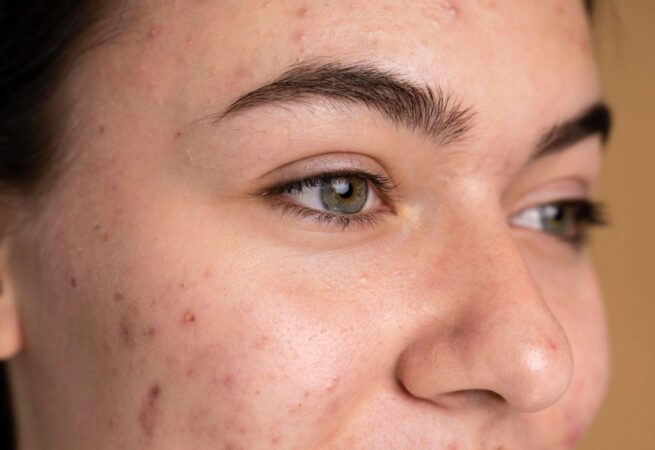
The under-eye area often reveals changes before other parts of the face. Long before deeper facial lines become noticeable, this delicate region may begin showing signs of stress, fatigue, environmental exposure, and natural skin aging.
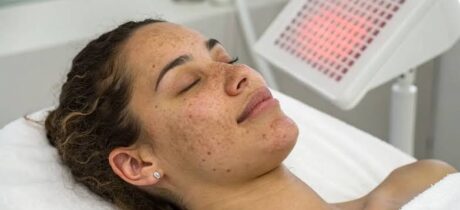
As interest in preventive skincare grows, experts continue to study factors that influence skin aging. In discussions about emerging skincare technologies, According to dermatology experts, a red light therapy mask is one of several tools being researched for its potential role in supporting skin health when used alongside established skincare practices and healthy lifestyle habits.
Understanding why under-eye wrinkles tend to arrive earlier can help people make more informed decisions about long-term skin care.
Key Takeaways
. The skin beneath the eyes is naturally thinner than most facial skin.
. Repeated facial movements contribute to early wrinkle formation.
. Sun exposure, sleep habits, and lifestyle choices can accelerate visible aging.
. Hydration and skin barrier health play important roles in maintaining skin appearance.
. Preventive care often delivers better results than attempting to reverse advanced skin changes.
The Eye Area Lives a Harder Life Than You Realize
Think about how often your eyes move throughout a typical day. You squint while driving. You smile during conversations. You blink thousands of times. You react to sunlight, screens, and changing expressions without even noticing.
Every one of those movements engages the skin surrounding the eyes. Unlike larger facial areas that have more structural support, under-eye skin has less room to absorb repeated motion. Over time, those tiny movements can leave visible traces.
Wrinkles do not suddenly appear one day. They often begin as temporary expression lines that gradually become easier to see, even when the face rests.
Thin Skin Means Less Margin for Error
The under-eye region contains some of the thinnest skin on the body. This creates both advantages and challenges. Thin skin allows for natural facial expression and flexibility. However, it also means that changes occurring beneath the surface become more visible. Small reductions in hydration, collagen, or skin elasticity may show up sooner around the eyes than elsewhere on the face. In many cases, people notice under-eye changes years before they see comparable changes in other facial areas.
Modern Life Adds Extra Pressure
The human face did not evolve for endless screen time. Today, many people spend hours looking at phones, tablets, and computer monitors. Digital devices often encourage squinting, eye strain, and reduced blinking patterns. Combined with environmental stressors such as air pollution and UV exposure, these habits can place additional demands on the skin.
The issue is rarely one single factor. Instead, multiple small influences often work together over time. That is why under-eye wrinkles sometimes seem to appear “early” when they are actually the result of years of accumulated exposure.
Sunlight Leaves a Lasting Signature
Few factors influence visible skin aging more than ultraviolet radiation. Sun exposure gradually affects collagen and elastin, two important components that help skin maintain structure and flexibility. The under-eye area receives daily exposure even when people do not spend significant time outdoors.
Because this region is already delicate, repeated UV exposure can contribute to earlier development of fine lines and changes in skin texture. Protecting the skin consistently often proves more effective than trying to correct years of accumulated damage later.
Sleep Shows Up on Your Face
Many people think of sleep as rest for the brain. The skin benefits too. During sleep, the body supports numerous repair and recovery processes. Chronic sleep deprivation may influence skin appearance and contribute to a tired or aged look.
The under-eye area frequently reflects these effects first. Dark circles, puffiness, and fine lines can appear more noticeable when quality sleep becomes inconsistent. Over time, poor sleep habits may contribute to a cycle that affects both overall wellness and skin health.
Understanding the Interest in Red Light Therapy Masks
A red light therapy mask has attracted attention within skincare discussions because researchers continue exploring how specific wavelengths of red light interact with skin cells. Scientific interest focuses on understanding how light-based technologies may influence biological processes associated with skin maintenance and appearance.
Current research continues to evolve, and experts generally view these devices as one element within a broader skincare approach. Consistent sun protection, adequate sleep, hydration, and healthy lifestyle choices remain essential foundations for maintaining skin health over time.
The Earlier You Start Paying Attention, the Better
One of the biggest misconceptions about wrinkles is that prevention begins after they appear. In reality, skin aging starts long before visible lines become noticeable. Daily habits shape skin health gradually, often producing effects that become visible years later. The under-eye area simply tends to reveal those changes sooner.
Rather than viewing early wrinkles as a sign of failure, it may be more helpful to see them as information. They often reflect the cumulative impact of movement, environment, lifestyle, and time. Understanding those influences creates an opportunity to support skin health before small changes become larger concerns. In many cases, the most effective skincare strategy is not chasing perfection. It is building habits that help the skin remain healthy, resilient, and supported for the long term.

Tracheostomy Care at Home: 5 Safety Checkpoints Private Duty Nurses Manage Daily
Caring for a medically fragile loved one with a tracheostomy at home brings a profound sense of comfort, but it also introduces a highly complex clinical responsibility. A tracheostomy—a surgically created opening in the neck that provides a direct airway—leaves an individual entirely dependent on the structural integrity, cleanliness, and functionality of an artificial device. Because the upper airway’s natural defense mechanisms (like the nose’s ability to filter and humidify air) are completely bypassed, the risk of airway obstruction, tissue trauma, and life-threatening respiratory infections rises significantly.
To mitigate these clinical vulnerabilities, managing a tracheostomy demands far more than basic observation; it requires meticulous, structured daily protocols executed by trained clinical professionals. When families transition a relative to home recovery, securing specialized Long Island in-home nursing ensures that a Licensed Practical Nurse (LPN) or Registered Nurse (RN) is present to manage the environment objectively.
Private duty nurses track these five essential daily safety checkpoints to maintain airway patency and protect the patient’s health.
1. Verification of the Emergency Bedside Kit
The absolute baseline rule of tracheostomy safety is that an emergency can happen at any moment—a tube can clog unexpectedly with thick mucus, or a sudden fit of coughing can fully dislodge the device. A private duty nurse begins every single shift by verifying that a complete, functional emergency kit is physically present at the patient’s bedside and fully stocked.
This non-negotiable safety checkpoint requires having two spare tracheostomy tubes: one that is the patient’s exact current size, and one that is a half-size smaller (in case tracheal swelling prevents the standard tube from being reinserted during an accidental decannulation). The nurse also verifies the presence of an obturator, manual resuscitation bags, sterile water, water-soluble lubricant, and working scissors capable of cutting neck ties instantly in a crisis.
2. Proactive Monitoring and Maintenance of Home Humidification
Under normal circumstances, the human nose and mouth warm, filter, and humidify the air we breathe. A tracheostomy tube delivers ambient room air directly into the trachea and lungs. If that air is cold and dry, the patient’s respiratory secretions will rapidly become thick, hard, and crusted. This crusting can completely occlude the internal lumen of the tube, causing sudden asphyxiation.
Private duty nurses manage this risk by continuously evaluating the home’s humidification delivery systems. Whether the patient utilizes a heated tracheostomy collar, a specialized nebulizer, or a Heat and Moisture Exchanger (HME)—often referred to as an “artificial nose”—the nurse ensures the device is functioning properly. They also monitor the patient’s systemic hydration, tracking fluid intake to ensure secretions remain thin, clear, and easy to clear.
3. Sterile Management and Cleaning of the Inner Cannula
The inner cannula is the removable tube that sits inside the main outer tracheostomy shaft, acting as the primary line of defense against mucus buildup. If secretions begin to collect, they stick to the walls of this inner tube first.
To prevent blockages, a private duty nurse systematically removes, inspects, and cleans (or entirely replaces) the inner cannula multiple times a day based on physician orders. If the device is reusable, the nurse follows strict clean or sterile techniques, utilizing sterile saline and specialized pipe brushes to clear internal debris before locking it securely back into place, ensuring the airway channel remains completely unobstructed.
4. Meticulous Stoma Assessment and Skin Integrity Care
The surgical opening in the neck is called a stoma. Because this site is continuously exposed to respiratory secretions, moisture, and the physical friction of the plastic tracheostomy flange, the surrounding skin is highly vulnerable to breakdown, maceration, and severe bacterial infections.
Nurses execute meticulous stoma care at least twice daily. They gently cleanse the skin wiping outward using sterile saline, completely dry the area, and inspect the tissue for subtle clinical red flags such as erythema (redness), swelling, foul odor, or purulent drainage. They also apply pre-split sterile gauze dressings beneath the flanges to absorb moisture, replacing them immediately if they become damp to protect skin barriers.
5. Regulated Catheter Suctioning and Secretion Auditing
When a patient lacks the physical cough reflex or strength to clear their own airway, mechanical suctioning becomes necessary. However, suctioning must never be done on a blind schedule—it is a invasive procedure that can cause tracheal tissue trauma or hypoxia if overused.
A private duty nurse continuously assesses the patient for signs that suctioning is required, such as audible rattling, visible mucus in the tube, or an elevated respiratory rate. When performing suctioning, the nurse utilizes a sterile catheter, limiting actual suction time to less than 10 seconds per pass to protect oxygen levels. Crucially, the nurse audits the retrieved secretions, checking that they are clear or white; if the mucus turns yellow, green, or thickens drastically, the nurse documents this immediately as an early indicator of a developing respiratory infection.
Tracheostomy care leaves zero margin for error. By establishing an unchanging daily routine centered around technical precision, clinical tracking, and emergency preparedness, private duty nurses transform a highly stressful medical environment into a structured, safe space where patients can comfortably thrive at home.

5 Signs It Might Be Time to See a Mental Health Counselor in Miami
Most people don’t wake up one morning and decide to call a counselor. It’s usually slower than that — a build-up of stress, sleepless nights, and the nagging feeling that something has to give. The hard part is knowing when ‘I’m just tired’ has quietly become something worth getting support for. If you’ve been wondering whether it’s time to talk to a mental health counselor in Miami, here are five signs that often point to yes.
1. The stress never really switches off
Everyone feels pressure now and then. But when your mind is constantly racing — replaying past regrets, rehearsing future worst-case scenarios — and you can’t seem to power down even on a day off, that’s a sign your nervous system is stuck in overdrive. Chronic anxiety and burnout rarely resolve on their own; they tend to compound until something forces a change.
2. You feel disconnected from the people you love
Maybe you snap more easily, or you’ve gone quiet to avoid conflict. Either way, growing distance from your partner, friends, or family is one of the clearest signals that you’re running on empty. Counseling can help you find words for what you’ve been holding in before it boils over.
3. Guilt and shame follow you around
If you’re plagued by a sense that you’re never doing enough — an endless internal list of what you ‘should’ be doing — that’s worth paying attention to. Counseling gives you a space to question those voices instead of obeying them.
4. Coping has started to cost you
When the strategies that used to take the edge off start creating their own problems, it’s a sign the old system isn’t working anymore. A counselor can help you build healthier ways to regulate stress. National nonprofits like the National Alliance on Mental Illness (NAMI) are a useful starting point if you’re not sure where to begin.
5. ‘I’ll deal with it later’ has become permanent
Putting off your own well-being indefinitely is itself a sign. You don’t need to be in crisis to deserve support — and starting earlier usually makes the work shorter and gentler.
If two or three of these resonate, it may be time to reach out. A free consultation is a low-pressure way to find out whether counseling is the right next step. You can get in touch here to ask questions and see if it feels like a fit.
Christine Agic, LCSW offers online counseling for individuals and couples across Florida. Her practice marketing is handled by Franklin Marketing Co.