









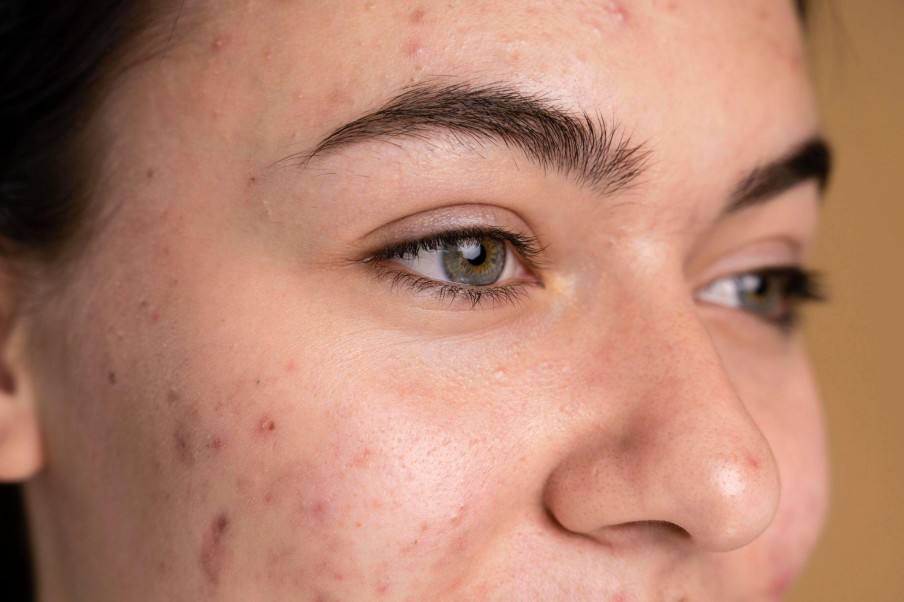
How to Treat Acne and Blackheads Without Damaging Skin
Dealing with acne and blackheads can be frustrating, especially when you try different products but don’t see long-lasting results. Many people focus on removing breakouts quickly but forget that maintaining a healthy skin barrier is equally important. Learning how to treat acne and blackheads requires a gentle approach that targets clogged pores, controls excess oil, and protects the skin from irritation. Using harsh scrubs, overusing active ingredients, or squeezing pimples can often make skin problems worse. In this article, we will discuss the common causes of acne and blackheads, safe skincare methods, effective prevention tips, and how to build a routine that supports clearer and healthier skin.
Understanding Acne and Blackheads
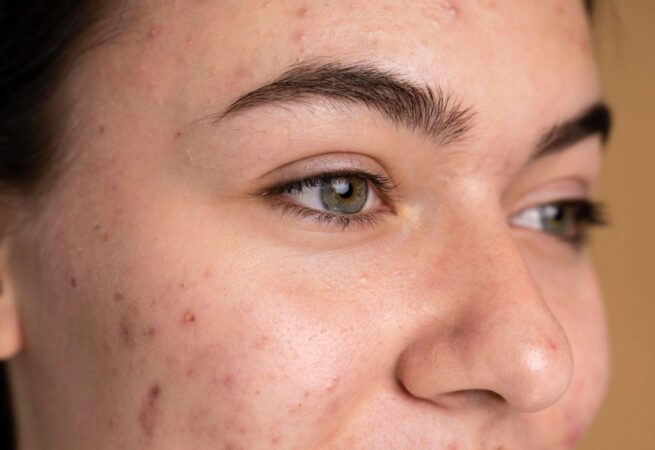
Acne and blackheads are common skin concerns that affect people of all ages. They occur when pores become blocked with excess oil, dead skin cells, and impurities. While acne usually appears as pimples, redness, or inflamed bumps, blackheads are clogged pores that remain open on the skin’s surface.
Many people assume blackheads are caused by dirt, but that is not completely true. The dark color develops when oil inside the pore reacts with air and oxidizes. Understanding how these skin concerns develop can help you choose the right treatment instead of using aggressive methods that may damage your skin.
Common Causes of Acne and Blackheads
Before starting any acne treatment, it is important to understand what triggers breakouts. Acne can develop due to several factors, including changes in hormones, lifestyle habits, and skincare mistakes.
Excess Oil Production
The skin naturally produces oil to stay moisturized, but excess oil can mix with dead skin cells and clog pores. People with oily or combination skin are more likely to experience frequent breakouts and blackheads.
Dead Skin Cell Buildup
When dead skin cells are not removed properly, they can accumulate on the surface and block pores. This buildup can make the skin appear rough and increase the chances of breakouts.
Hormonal Changes and Stress
Hormonal fluctuations during puberty, menstrual cycles, or stressful periods can increase oil production and trigger acne. High stress levels can also affect your skin’s ability to repair itself.
Using the Wrong Skincare Products
Heavy products, harsh cleansers, and unsuitable ingredients can disturb your skin barrier. Choosing products based on your skin type is an important part of maintaining healthy skin.
Gentle Ways to Treat Acne and Blackheads
A good skincare routine should focus on improving skin health rather than aggressively removing oil. The goal is to clear clogged pores while keeping your skin balanced and hydrated.
Cleanse Your Skin Gently
Cleansing helps remove oil, sweat, and impurities that build up throughout the day. However, washing your face too frequently can strip away natural oils and cause dryness or irritation.
Use a mild cleanser suitable for your skin type and avoid harsh products that leave your skin feeling tight. A gentle cleansing routine helps maintain the skin barrier while supporting clearer skin.
Exfoliate Carefully
Exfoliation helps remove dead skin cells and prevents clogged pores. However, aggressive scrubbing can damage the skin and increase redness or sensitivity.
Chemical exfoliants containing ingredients like salicylic acid can be helpful for acne-prone skin because they work inside pores to remove buildup. Use exfoliating products in moderation to avoid over-drying your skin.
Keep Your Skin Hydrated
Many people with acne avoid moisturizers because they think hydration will increase oiliness. However, skipping moisturizer can make the skin dry and encourage excess oil production.
Choose a lightweight, non-comedogenic moisturizer that hydrates without blocking pores. A proper acne prone skin care routine should always include hydration to maintain healthy skin.
Safe Methods for Blackhead Removal
Blackheads can be tempting to squeeze, but improper extraction can lead to inflammation, redness, and even scars. Instead of forcefully removing them, focus on methods that gradually clear clogged pores.
Products containing salicylic acid can help reduce oil buildup and improve the appearance of blackheads over time. Clay masks may also help absorb excess oil and keep pores cleaner.
For those who prefer exploring different skincare approaches, products from Medisynth are among the options available in the homeopathic skincare segment.
Avoid using sharp tools or squeezing blackheads with your fingers, as this can push bacteria deeper into the skin. If you need professional extraction, it is better to consult a dermatologist or skincare expert.
Natural Remedies That May Support Clear Skin
Many people prefer trying natural remedies for acne along with their regular skincare routine. Some natural ingredients may help soothe the skin, but they should always be used carefully.
Aloe vera can help calm irritated skin, while honey may provide moisturizing benefits. Green tea extracts are also known for their antioxidant properties.
However, natural does not always mean suitable for everyone. Always perform a patch test before applying any new ingredient to your face, especially if you have sensitive skin.
Daily Habits to Prevent Acne and Blackheads
Healthy skin is not only about products; daily habits also play an important role. Avoid touching your face frequently, as hands can transfer oil and bacteria that may contribute to breakouts.
Keeping pillowcases, makeup brushes, and towels clean can also reduce the buildup of impurities. Additionally, getting enough sleep, managing stress, drinking enough water, and following a balanced diet can support better skin health.
Understanding the causes of acne allows you to make better lifestyle choices and prevent recurring breakouts.
When Should You Consult a Dermatologist?
While mild acne and blackheads can often improve with consistent skincare, some situations require professional guidance.
You should consider seeing a dermatologist if you experience:
- Painful or deep acne
- Persistent breakouts despite using skincare products
- Acne scars or dark spots
- Severe redness or irritation
- Sudden changes in your skin
A dermatologist can recommend suitable treatments based on your skin condition and help prevent long-term damage.
Final Thoughts
Learning how to treat acne and blackheads safely requires patience and consistency. Instead of relying on harsh products or aggressive removal methods, focus on gentle cleansing, proper hydration, careful exfoliation, and a suitable skincare routine.
Understanding the causes of acne can help you prevent future breakouts, while safe blackhead removal techniques can improve skin texture without causing irritation.
Whether you choose professional treatments or supportive natural remedies for acne, protecting your skin barrier should always be your priority. With the right care and healthy habits, you can achieve clearer, healthier-looking skin while maintaining its natural balance.