











How to Treat Acne and Blackheads Without Damaging Skin
Dealing with acne and blackheads can be frustrating, especially when you try different products but don’t see long-lasting results. Many people focus on removing breakouts quickly but forget that maintaining a healthy skin barrier is equally important. Learning how to treat acne and blackheads requires a gentle approach that targets clogged pores, controls excess oil, and protects the skin from irritation. Using harsh scrubs, overusing active ingredients, or squeezing pimples can often make skin problems worse. In this article, we will discuss the common causes of acne and blackheads, safe skincare methods, effective prevention tips, and how to build a routine that supports clearer and healthier skin.
Understanding Acne and Blackheads
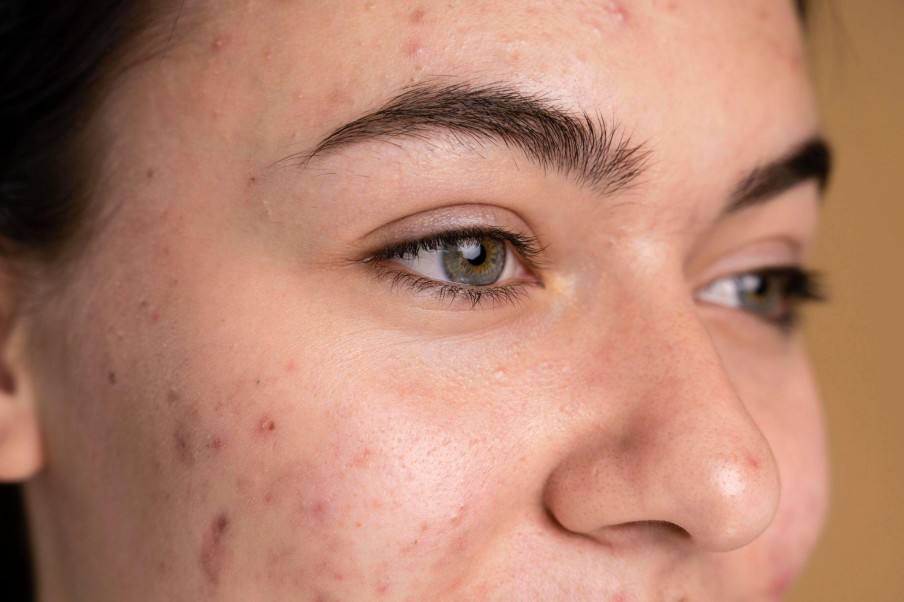
Acne and blackheads are common skin concerns that affect people of all ages. They occur when pores become blocked with excess oil, dead skin cells, and impurities. While acne usually appears as pimples, redness, or inflamed bumps, blackheads are clogged pores that remain open on the skin’s surface.
Many people assume blackheads are caused by dirt, but that is not completely true. The dark color develops when oil inside the pore reacts with air and oxidizes. Understanding how these skin concerns develop can help you choose the right treatment instead of using aggressive methods that may damage your skin.
Common Causes of Acne and Blackheads
Before starting any acne treatment, it is important to understand what triggers breakouts. Acne can develop due to several factors, including changes in hormones, lifestyle habits, and skincare mistakes.
Excess Oil Production
The skin naturally produces oil to stay moisturized, but excess oil can mix with dead skin cells and clog pores. People with oily or combination skin are more likely to experience frequent breakouts and blackheads.
Dead Skin Cell Buildup
When dead skin cells are not removed properly, they can accumulate on the surface and block pores. This buildup can make the skin appear rough and increase the chances of breakouts.
Hormonal Changes and Stress
Hormonal fluctuations during puberty, menstrual cycles, or stressful periods can increase oil production and trigger acne. High stress levels can also affect your skin’s ability to repair itself.
Using the Wrong Skincare Products
Heavy products, harsh cleansers, and unsuitable ingredients can disturb your skin barrier. Choosing products based on your skin type is an important part of maintaining healthy skin.
Gentle Ways to Treat Acne and Blackheads
A good skincare routine should focus on improving skin health rather than aggressively removing oil. The goal is to clear clogged pores while keeping your skin balanced and hydrated.
Cleanse Your Skin Gently
Cleansing helps remove oil, sweat, and impurities that build up throughout the day. However, washing your face too frequently can strip away natural oils and cause dryness or irritation.
Use a mild cleanser suitable for your skin type and avoid harsh products that leave your skin feeling tight. A gentle cleansing routine helps maintain the skin barrier while supporting clearer skin.
Exfoliate Carefully
Exfoliation helps remove dead skin cells and prevents clogged pores. However, aggressive scrubbing can damage the skin and increase redness or sensitivity.
Chemical exfoliants containing ingredients like salicylic acid can be helpful for acne-prone skin because they work inside pores to remove buildup. Use exfoliating products in moderation to avoid over-drying your skin.
Keep Your Skin Hydrated
Many people with acne avoid moisturizers because they think hydration will increase oiliness. However, skipping moisturizer can make the skin dry and encourage excess oil production.
Choose a lightweight, non-comedogenic moisturizer that hydrates without blocking pores. A proper acne prone skin care routine should always include hydration to maintain healthy skin.
Safe Methods for Blackhead Removal
Blackheads can be tempting to squeeze, but improper extraction can lead to inflammation, redness, and even scars. Instead of forcefully removing them, focus on methods that gradually clear clogged pores.
Products containing salicylic acid can help reduce oil buildup and improve the appearance of blackheads over time. Clay masks may also help absorb excess oil and keep pores cleaner.
For those who prefer exploring different skincare approaches, products from Medisynth are among the options available in the homeopathic skincare segment.
Avoid using sharp tools or squeezing blackheads with your fingers, as this can push bacteria deeper into the skin. If you need professional extraction, it is better to consult a dermatologist or skincare expert.
Natural Remedies That May Support Clear Skin
Many people prefer trying natural remedies for acne along with their regular skincare routine. Some natural ingredients may help soothe the skin, but they should always be used carefully.
Aloe vera can help calm irritated skin, while honey may provide moisturizing benefits. Green tea extracts are also known for their antioxidant properties.
However, natural does not always mean suitable for everyone. Always perform a patch test before applying any new ingredient to your face, especially if you have sensitive skin.
Daily Habits to Prevent Acne and Blackheads
Healthy skin is not only about products; daily habits also play an important role. Avoid touching your face frequently, as hands can transfer oil and bacteria that may contribute to breakouts.
Keeping pillowcases, makeup brushes, and towels clean can also reduce the buildup of impurities. Additionally, getting enough sleep, managing stress, drinking enough water, and following a balanced diet can support better skin health.
Understanding the causes of acne allows you to make better lifestyle choices and prevent recurring breakouts.
When Should You Consult a Dermatologist?
While mild acne and blackheads can often improve with consistent skincare, some situations require professional guidance.
You should consider seeing a dermatologist if you experience:
- Painful or deep acne
- Persistent breakouts despite using skincare products
- Acne scars or dark spots
- Severe redness or irritation
- Sudden changes in your skin
A dermatologist can recommend suitable treatments based on your skin condition and help prevent long-term damage.
Final Thoughts
Learning how to treat acne and blackheads safely requires patience and consistency. Instead of relying on harsh products or aggressive removal methods, focus on gentle cleansing, proper hydration, careful exfoliation, and a suitable skincare routine.
Understanding the causes of acne can help you prevent future breakouts, while safe blackhead removal techniques can improve skin texture without causing irritation.
Whether you choose professional treatments or supportive natural remedies for acne, protecting your skin barrier should always be your priority. With the right care and healthy habits, you can achieve clearer, healthier-looking skin while maintaining its natural balance.

The Questions We’d Ask Before Buying CBD Oil from Any Company
Most people approach buying CBD oil the same way they approach almost everything else online. They open a few tabs, compare prices, glance at a handful of reviews and, if one company looks reasonably trustworthy, place an order.
There’s nothing wrong with that. We’ve all done it.
The problem is that CBD isn’t quite like buying a phone charger or a pair of trainers. It’s a product most people intend to use more than once, so choosing the right company is arguably just as important as choosing the right product.
If someone asked us where to start when looking for CBD oil products, we probably wouldn’t begin by talking about strengths or bottle sizes.
Instead, we’d suggest asking a handful of simple questions.
Interestingly, most of them have very little to do with CBD itself.
Would I Trust This Company If There Were No Reviews?
That might seem like a strange place to begin.
After all, reviews are one of the first things most of us look at.
But imagine, just for a moment, that every review disappeared overnight.
Would you still feel comfortable buying from the company?
It’s an interesting exercise because it forces you to look beyond star ratings.
You’re left judging the things the business actually controls.
The information on the website.
The quality of the product descriptions.
How easy it is to contact someone.
Whether the company appears open about its products.
Sometimes that’s a much better indicator than another collection of five-star ratings.
Does the Website Feel Like It Wants to Help Me?
You can usually tell within a few minutes what a website is trying to achieve.
Some exist purely to sell.
Others seem genuinely interested in helping visitors understand what they’re buying.
The difference is subtle, but it’s there.
One website fills every page with discount banners and countdown timers.
Another spends time explaining different CBD extracts, ingredients and strengths before asking you to buy anything.
Which one makes you feel more comfortable?
For us, the answer has always been obvious.
Education builds confidence.
Pressure rarely does.
Can I Easily Find the Information I’m Looking For?
This sounds simple enough, yet it’s surprising how often it isn’t.
Imagine you’re trying to answer one straightforward question.
“What type of CBD is this?”
Can you find the answer immediately?
Or do you have to jump between different pages hoping you’ll eventually work it out?
The same applies to ingredients.
Delivery.
Returns.
Storage advice.
Independent testing.
Companies that have nothing to hide usually make important information easy to find.
They don’t expect customers to become detectives.
Is Everything Written for Search Engines—or for People?
Here’s something worth paying attention to.
Read a few product descriptions.
Do they sound like someone is actually talking to you?
Or do they feel as though every sentence has been written to squeeze another keyword onto the page?
We’ve all seen websites where the same phrase appears over and over again.
After a while, it starts sounding unnatural.
Ironically, the companies that explain things in plain English often come across as far more knowledgeable.
They don’t feel the need to constantly remind you what they’re selling.
They simply explain it well.
Does the Business Feel Established?
There’s something reassuring about dealing with businesses that have been around for a while.
Not because older automatically means better.
It doesn’t.
But experience usually teaches companies a few important lessons.
How to answer customer questions clearly.
How to improve product information.
How to deal with problems when they arise.
How to build trust gradually instead of trying to win it with a single marketing campaign.
Those things aren’t always obvious at first glance.
You notice them through dozens of small details.
Am I Comparing Like for Like?
One mistake people make is comparing two products that aren’t really comparable.
A cheaper bottle may contain much less CBD.
Another may use a different extract.
The bottle sizes might not even be the same.
It’s a bit like comparing the price of two cars without checking whether one has twice the mileage of the other.
The numbers only become meaningful when you’re comparing similar products.
That’s why looking beyond the price tag is so important.
What Happens After I’ve Bought It?
This is a question very few people ask.
Yet it’s probably worth considering.
If something goes wrong…
How easy is it to contact the company?
Will someone answer your question?
Is there clear delivery information?
Do they explain their returns policy properly?
Customer service doesn’t begin when the parcel arrives.
It begins the moment somebody lands on the website.
Businesses that understand this usually make the whole buying experience much smoother.
Are They Explaining—or Just Selling?
This is one of the easiest things to spot once you start looking for it.
Some companies spend page after page telling you how amazing their products are.
Others spend that same space explaining why products differ, how strengths compare and what customers should actually be looking at.
One approach tries to convince you.
The other helps you make your own decision.
Personally, we’ve always preferred the second.
If a company is genuinely confident in its products, it shouldn’t need to rely entirely on superlatives.
Why Do They Sell This Product?
It sounds like an odd question.
But sometimes it’s worth asking.
Does the business appear genuinely interested in its products?
Or does CBD simply happen to be the latest thing it sells?
You can often tell from the effort that’s gone into the website.
Detailed buying guides.
Educational articles.
Frequently asked questions.
Thoughtful product descriptions.
These things require time.
Businesses rarely invest that effort unless they’re planning to be around for the long term.
Does Everything Feel Consistent?
Trust often comes from consistency rather than perfection.
The homepage looks professional.
Do the product pages maintain the same standard?
The product pages are detailed.
What about the delivery information?
The blog is helpful.
Are the FAQs equally useful?
Consistency creates confidence.
When every part of the website feels carefully considered, customers naturally feel more comfortable.
One Small Habit That’s Worth Developing
Whenever we’re comparing products online—whether it’s CBD, electronics or something completely unrelated—we usually close the website and come back a few hours later.
If we still feel positive about it, that’s generally a good sign.
If we’d already forgotten which company it was…
Perhaps it wasn’t particularly memorable after all.
That short break removes a lot of impulse from the buying decision.
It’s surprising how often a different company stands out the second time around.
Buying CBD Shouldn’t Feel Like Guesswork
One of the nicest compliments any retailer can receive isn’t about having the strongest CBD or the cheapest prices.
It’s hearing someone say:
“Everything was explained clearly.”
That’s exactly how buying CBD should feel.
Straightforward.
Transparent.
Comfortable.
Customers shouldn’t leave with more questions than they started with.
They should feel confident that they understand the product, understand the company and understand why they’ve chosen to buy from that particular business.
The Right Questions Usually Lead to the Right Decision
There isn’t a magic formula for choosing CBD oil.
No single checklist guarantees you’ll find the perfect product.
But asking better questions almost always leads to better decisions.
Does the company seem transparent?
Is the information genuinely useful?
Can you understand what you’re buying without searching elsewhere?
Would you still trust the business if there were no reviews at all?
Those questions don’t just help you compare CBD companies.
They help you identify businesses that value long-term customer relationships over short-term sales.
And if you can find a company that consistently does that, you’re already a long way towards making a buying decision you’ll feel comfortable with long after the bottle itself is empty.