













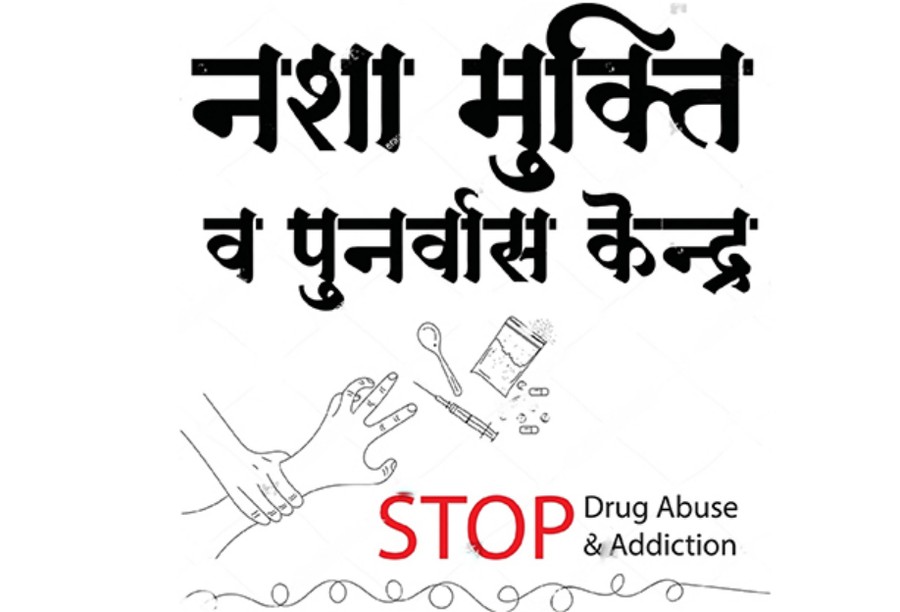
Eradicating Chemical Stigma Through Localised Care
Stigma kills entire communities silently. In many traditional regions across Maharashtra, cultural embarrassment frequently prevents families from admitting that a severe substance problem exists inside their home. Secrecy destroys the family unit. We understand that recovery becomes significantly easier when the treatment environment heavily respects the patient’s exact cultural background and daily linguistic preferences. Admitting a relative into a highly respected nasha mukti kendra in mumbai allows the suffering individual to communicate their deepest emotional traumas entirely in their native dialect. Translation always loses deep emotional nuance. We heavily recognise that speaking in a familiar tongue drastically lowers defensive psychological barriers and rapidly accelerates the emotional unburdening process during clinical therapy.
Familiarity breeds deep emotional comfort. The extreme clinical sterility of modern allopathic hospitals often terrifies individuals who already feel intensely vulnerable about their physical decay. Roots ground the anxious mind. By selecting a dedicated nasha mukti kendra in mumbai, families provide a comforting setting that actively incorporates regional dietary habits and traditional holistic therapies alongside necessary medical interventions. Balance restores total physical health. We observe that when a medical centre intelligently integrates Ayurvedic principles with modern science, patients experience a significantly faster reduction in systemic physical inflammation.
Breaking the Silence Surrounding Dependency
Shame isolates the vulnerable. Cultural embarrassment frequently prevents afflicted individuals from seeking necessary medical assistance, forcing them to hide their dangerous dependencies in absolute secrecy. Openness cures the societal disease. We actively work to permanently dismantle this toxic embarrassment by initiating honest dialogues between recovering patients and their immediate social circles. Education actively shields the community. By heavily teaching local relatives exactly how to identify early warning signs without resorting to harsh moral judgment, these institutions build a massive, invisible safety net around the recovering person.
Integrating Ancient Wellness With Modern Science
Breath regulates human emotion. While strict allopathic intervention remains absolutely necessary for safe physical detoxification, ancient holistic practices provide the deep emotional grounding required for long-term psychological stability. Bodies align naturally. We heavily advocate for regular mindfulness practice because it demonstrably lowers the baseline arousal of the central nervous system. Calmness settles the fractured spirit. These traditional practices act as scientifically proven methodologies for permanently improving executive function and increasing emotional regulation during high-stress situations.
The Role of the Immediate Family Unit
Love sometimes enables utter destruction. Relatives often exhaust their entire emotional reserves attempting to police the addict, a highly flawed strategy that universally fails and breeds deep domestic resentment. Education heavily changes the dynamic. We provide intensive workshops for family members to teach them exactly how to support their loved ones without sacrificing their own psychological stability. Boundaries must hold the line. A strong, educated support system that strictly refuses to tolerate toxic behaviour acts as the best possible predictor of long-term sobriety.
Transitioning From Residential Care to Public Life
Festivals present highly unique challenges. Returning home often means facing traditional social gatherings where the consumption of certain intoxicants is culturally expected. Preparation averts absolute disaster. We actively teach patients how to politely decline offers of intoxicants without causing social offense or feeling isolated from their lifelong peers. Confidence grows through repetitive practice. Developing these specific social scripts before leaving the secure facility ensures the individual can participate in family life without compromising their hard-won physical health.

Sleep Meditation Tips for Achieving Deep and Restful Sleep
Getting proper rest is important for maintaining physical health, emotional balance, and daily energy levels. However, many people struggle to relax at night because of stress, anxiety, busy schedules, and constant mental activity. Difficulty sleeping can lead to fatigue, mood changes, poor concentration, and reduced productivity. One natural method that helps improve relaxation and bedtime comfort is meditation.
Sleep meditation helps calm the mind and prepares the body for rest through breathing exercises, mindfulness, and relaxation techniques. Unlike activities that stimulate the brain before bedtime, meditation encourages mental stillness and emotional calmness.
Many people now include meditation in their nightly routine because it supports better sleep quality and helps create a peaceful transition from daytime stress to nighttime relaxation.
What Is Sleep Meditation?
Sleep meditation is a calming practice designed to relax the body and quiet the mind before bedtime. It focuses on reducing stress and slowing mental activity to support natural sleep.
This type of meditation often includes:
Deep Breathing
Slow breathing exercises help relax the nervous system and reduce physical tension.
Mindfulness
Mindfulness meditation encourages awareness of thoughts without emotional reaction or stress.
Guided Relaxation
Guided meditation uses calming instructions and peaceful audio to help listeners relax.
Body Scan Techniques
This method focuses on relaxing different parts of the body gradually from head to toe.
These techniques work together to create mental calmness and physical comfort before sleep.
How Meditation Helps Improve Sleep
Stress and overthinking are common reasons for poor sleep quality. Meditation helps the body move into a calmer state by slowing breathing, relaxing muscles, and reducing emotional tension.
Benefits of sleep meditation may include:
- Reduced anxiety
- Improved emotional balance
- Better sleep quality
- Lower stress levels
- Slower heart rate
- Increased relaxation
Meditation also helps create healthier bedtime habits by encouraging consistency and calmness before sleeping.
Best Sleep Meditation Techniques
Different meditation methods work for different individuals. Experimenting with various techniques may help identify the most effective routine.
Deep Breathing Meditation
Breathing exercises are simple and effective for nighttime relaxation.
A common method includes:
- Inhale slowly through the nose
- Hold the breath briefly
- Exhale gently through the mouth
Repeating this process several times may help calm the body naturally.
Body Scan Meditation
This technique involves mentally focusing on each body part and relaxing it slowly.
Starting from the feet and moving upward helps release physical tension and improve body awareness.
Mindfulness Meditation
Mindfulness encourages observing thoughts calmly without reacting emotionally. This helps reduce mental overthinking before bedtime.
Visualization Meditation
Imagining peaceful places such as beaches, forests, or waterfalls may help create emotional calmness and mental relaxation.
Many individuals use Sleep Meditation as part of their nightly routine to reduce stress and improve overall sleep comfort.
Creating the Right Environment for Meditation
A peaceful environment can improve meditation effectiveness and support better relaxation.
Keep the Room Quiet
Reducing noise and distractions helps the mind focus on relaxation.
Use Soft Lighting
Dim lighting creates a calm atmosphere that supports nighttime meditation.
Maintain Comfortable Temperature
A cool and comfortable room may improve sleep quality and physical comfort.
Limit Screen Time
Phones, tablets, and televisions can overstimulate the brain before bedtime.
Use Relaxing Audio
Soft instrumental music or nature sounds may improve meditation and emotional calmness.
The Importance of Consistency
Meditation often works best when practiced regularly. Developing a consistent bedtime routine helps the brain recognize when it is time to relax and sleep.
Simple habits that support meditation include:
- Sleeping at the same time daily
- Avoiding heavy meals before bed
- Practicing meditation regularly
- Creating a peaceful bedtime environment
Small lifestyle changes combined with meditation may improve long-term sleep quality.
Can Meditation Help with Insomnia?
Many people with mild sleep difficulties use meditation to improve bedtime relaxation. Meditation may help calm racing thoughts and reduce stress-related sleep problems.
People experiencing insomnia often benefit from:
- Guided sleep meditation
- Breathing exercises
- Mindfulness techniques
- Relaxation audio
Although meditation may not replace medical treatment for severe sleep disorders, it can support healthier sleep habits naturally.
Common Mistakes to Avoid
Certain habits may reduce the effectiveness of sleep meditation.
Forcing Yourself to Sleep
Meditation should focus on relaxation instead of creating pressure to fall asleep immediately.
Using Loud Sounds
Loud music or strong audio stimulation may interrupt relaxation.
Practicing Inconsistently
Irregular meditation routines may reduce noticeable benefits.
Keeping Devices Nearby
Notifications and screen light may distract the mind during meditation.
Keeping the routine simple and calming often provides better results.
Why Relaxation Matters Before Bed
Mental and physical relaxation are important for healthy sleep. Many people carry emotional stress and mental tension into bedtime, making it difficult to rest peacefully.
Meditation encourages the body to slow down naturally and helps the mind release daily stress. Over time, regular practice may improve emotional balance and nighttime comfort.
Relaxation techniques also support healthier sleeping habits by reducing overstimulation before bedtime.
The connection between meditation and better Sleep becomes stronger when calming habits are practiced consistently every night.
Conclusion
Sleep meditation is a simple and natural method for improving relaxation and supporting restful sleep. Breathing exercises, mindfulness practices, body scan techniques, and guided meditation help calm the mind and reduce stress before bedtime.
Although everyone responds differently to meditation, many people find that regular practice improves sleep quality and emotional well-being. By creating a peaceful nighttime routine and practicing relaxation techniques consistently, bedtime can become more comfortable and calming.
Developing healthy sleep habits and maintaining emotional balance may lead to deeper and more refreshing rest over time.
FAQs
What is sleep meditation?
Sleep meditation is a relaxation practice designed to calm the mind and body before bedtime.
Can meditation improve sleep quality?
Yes, meditation may help reduce stress, relax the nervous system, and support healthier sleep patterns.
How long should I meditate before sleeping?
Many people meditate for 10 to 30 minutes before bedtime.
Is guided meditation useful for beginners?
Yes, guided meditation is often recommended for beginners because it provides simple instructions and relaxation support.
Can meditation help with stress at night?
Meditation may help calm racing thoughts and reduce emotional tension before sleep.
Do I need music for sleep meditation?
No, but soft music or nature sounds may help create a more relaxing environment for meditation.

Why Recovery Is Becoming More Important Than Intensity
For many years, fitness culture rewarded one thing above all else: intensity.
People were encouraged to train harder, push through exhaustion, and follow “no days off” mentalities in pursuit of faster results. High-intensity workouts, extreme cardio sessions, and constant training became heavily promoted across social media and the fitness industry.
Today, that mindset is changing.
In 2026, recovery has become one of the most important topics in modern fitness and wellness. Athletes, gym users, and health-conscious individuals are increasingly realizing that progress does not happen only during workouts — it also happens during recovery.
As a result, more people are prioritizing:
- Sleep
- Mobility
- Stress management
- Active recovery
- Rest days
- Recovery-focused nutrition
This shift reflects a larger movement toward sustainable fitness, long-term health, and performance longevity.
Why Recovery Matters
Exercise places stress on the body.
Strength training, cardio, sports, and intense workouts all create physical fatigue that the body must recover from in order to adapt and improve.
Without proper recovery, people may experience:
- Burnout
- Poor performance
- Fatigue
- Sleep disruption
- Increased injury risk
- Mental exhaustion
- Reduced motivation
Recovery allows the body to:
- Repair muscle tissue
- Restore energy levels
- Regulate hormones
- Support nervous system function
- Improve physical performance
This is why recovery is now considered a fundamental part of any balanced fitness routine.
The Problem With Overtraining Culture
For years, social media fitness culture promoted constant intensity.
Popular messages included:
- “Train harder”
- “No excuses”
- “No days off”
- “Pain is weakness leaving the body”
While discipline and consistency are important, many people eventually discovered that excessive intensity without proper recovery often leads to diminishing results.
Overtraining may negatively affect:
- Energy
- Mood
- Hormones
- Sleep
- Motivation
- Athletic performance
This realization has caused many fitness professionals and athletes to adopt more balanced approaches to training.
Recovery and Long-Term Performance
One major reason recovery has become so important is because people increasingly care about long-term performance and longevity.
Instead of focusing only on short-term physical transformation, many individuals now prioritize:
- Sustainable fitness
- Injury prevention
- Joint health
- Mobility
- Healthy aging
Recovery helps people stay consistent over longer periods without constantly feeling exhausted or injured.
This is especially important for:
- Athletes
- Runners
- Weightlifters
- Hybrid athletes
- Older adults
- Busy professionals balancing stress and training
The modern fitness industry is increasingly moving away from burnout culture and toward performance sustainability.
Sleep: The Foundation of Recovery
Sleep is now widely considered one of the most important recovery tools available.
During sleep, the body focuses heavily on:
- Muscle repair
- Hormone regulation
- Nervous system recovery
- Cognitive restoration
- Immune support
Poor sleep can negatively affect nearly every aspect of health and fitness.
Lack of recovery sleep may contribute to:
- Reduced workout performance
- Increased stress
- Poor appetite control
- Slower recovery
- Reduced motivation
This is one reason sleep optimization has become one of the fastest-growing areas in health and wellness.
Many people now prioritize:
- Consistent sleep schedules
- Reduced screen exposure before bed
- Better sleep environments
- Stress management
- Recovery-focused nighttime routines
Active Recovery and Low-Intensity Movement
Modern recovery strategies often include active recovery rather than complete inactivity.
Low-intensity activities such as:
- Walking
- Stretching
- Swimming
- Mobility work
- Light cycling
can help support circulation and recovery without heavily stressing the body.
Walking, in particular, has become one of the most popular recovery tools because it is:
- Accessible
- Low impact
- Easy to recover from
- Beneficial for mental wellbeing
This reflects the broader movement toward lower-stress forms of exercise that support both physical and mental health.
Mobility and Recovery
Mobility work has also become a major part of recovery-focused fitness.
Mobility exercises may help:
- Reduce stiffness
- Improve movement quality
- Support joint health
- Improve posture
- Enhance flexibility
Many athletes and gym users now include mobility routines before or after workouts to support movement efficiency and reduce discomfort.
As more people prioritize long-term health and injury prevention, mobility training continues growing rapidly within modern fitness culture.
Cold Plunges, Saunas, and Recovery Trends
Recovery technology and wellness practices have exploded in popularity over the last few years.
Popular recovery methods now include:
- Cold plunges
- Ice baths
- Sauna sessions
- Massage guns
- Compression therapy
- Recovery boots
- Breathwork
Social media has played a huge role in popularizing these recovery tools.
Many people use these methods in hopes of:
- Reducing soreness
- Improving circulation
- Supporting recovery
- Lowering stress
- Enhancing overall wellbeing
While some methods have stronger scientific support than others, the growing interest in recovery reflects a major shift in modern wellness culture.
Nutrition and Recovery
Recovery is also heavily influenced by nutrition.
The body requires adequate nutrients to repair and recover effectively after exercise.
Important recovery-focused nutrition habits often include:
- Sufficient protein intake
- Hydration
- Electrolyte balance
- Whole foods
- Carbohydrates for energy restoration
As performance-focused fitness continues evolving, many people are also researching broader conversations around muscle preservation, body composition, and training support.
Within certain performance and bodybuilding communities, SARMs are commonly discussed in relation to recovery and lean muscle maintenance. For readers interested in understanding the science, safety considerations, and ongoing research conversations surrounding these compounds, this educational SARMs research guide provides a deeper overview of how SARMs are typically discussed within modern fitness culture.
Because the content focuses on education and research rather than aggressive sales messaging, it integrates naturally into broader discussions around recovery and performance optimization.
Mental Recovery Matters Too
Recovery is not only physical — mental recovery is equally important.
Constant stress from:
- Work
- Social media
- Lack of sleep
- Intense training
- Busy schedules
can negatively affect overall wellbeing.
This is why many wellness routines now emphasize:
- Mindfulness
- Walking
- Relaxation
- Time outdoors
- Lower stress lifestyles
Fitness culture increasingly recognizes that mental health and physical health are deeply connected.
Why Athletes Prioritize Recovery
Professional athletes have understood the importance of recovery for decades.
Elite sports organizations invest heavily in:
- Sleep optimization
- Physical therapy
- Mobility programs
- Recovery facilities
- Recovery technology
This is because recovery directly affects performance.
Without adequate recovery, even the best training programs eventually become less effective.
Now, everyday fitness enthusiasts are beginning to adopt similar recovery-focused strategies.
The Shift Toward Sustainable Fitness
One of the biggest changes happening in modern fitness is the shift toward sustainability.
People increasingly want:
- Long-term health
- Balanced routines
- Reduced burnout
- Better energy
- Healthy aging
- Improved quality of life
Rather than constantly chasing exhaustion, many individuals now prioritize workouts and recovery methods they can realistically maintain for years.
This approach often creates:
- Better consistency
- More stable progress
- Improved mental wellbeing
- Reduced injury risk
The Future of Recovery in Fitness
Recovery is no longer viewed as optional.
It has become one of the central pillars of modern health, fitness, and performance culture.
As more people recognize the importance of balancing training with proper recovery, the fitness industry will likely continue shifting toward:
- Smarter programming
- Better recovery habits
- Lower stress lifestyles
- Long-term wellness
Whether through sleep, mobility work, walking, nutrition, or stress management, recovery has become one of the most important tools for improving both physical and mental performance.
In modern fitness, training hard is no longer enough. Recovering properly is what allows people to continue progressing, stay healthy, and maintain long-term results.