










Why Under Eye Wrinkles Develop Earlier Than You Think
Many people expect wrinkles to appear later in life. Then one morning, while checking a photo or looking in the mirror under bright lighting, they notice faint lines beneath their eyes. The surprise often comes from one assumption: wrinkles belong to old age. In reality, the skin around the eyes follows a different timeline.
The under-eye area often reveals changes before other parts of the face. Long before deeper facial lines become noticeable, this delicate region may begin showing signs of stress, fatigue, environmental exposure, and natural skin aging.
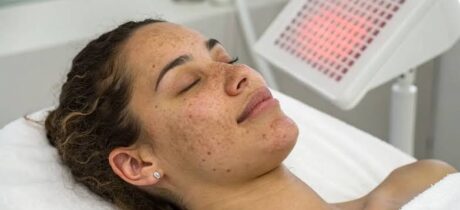
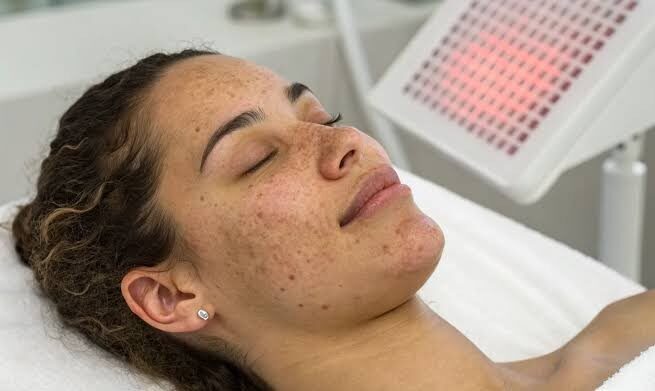
As interest in preventive skincare grows, experts continue to study factors that influence skin aging. In discussions about emerging skincare technologies, According to dermatology experts, a red light therapy mask is one of several tools being researched for its potential role in supporting skin health when used alongside established skincare practices and healthy lifestyle habits.
Understanding why under-eye wrinkles tend to arrive earlier can help people make more informed decisions about long-term skin care.
Key Takeaways
. The skin beneath the eyes is naturally thinner than most facial skin.
. Repeated facial movements contribute to early wrinkle formation.
. Sun exposure, sleep habits, and lifestyle choices can accelerate visible aging.
. Hydration and skin barrier health play important roles in maintaining skin appearance.
. Preventive care often delivers better results than attempting to reverse advanced skin changes.
The Eye Area Lives a Harder Life Than You Realize
Think about how often your eyes move throughout a typical day. You squint while driving. You smile during conversations. You blink thousands of times. You react to sunlight, screens, and changing expressions without even noticing.
Every one of those movements engages the skin surrounding the eyes. Unlike larger facial areas that have more structural support, under-eye skin has less room to absorb repeated motion. Over time, those tiny movements can leave visible traces.
Wrinkles do not suddenly appear one day. They often begin as temporary expression lines that gradually become easier to see, even when the face rests.
Thin Skin Means Less Margin for Error
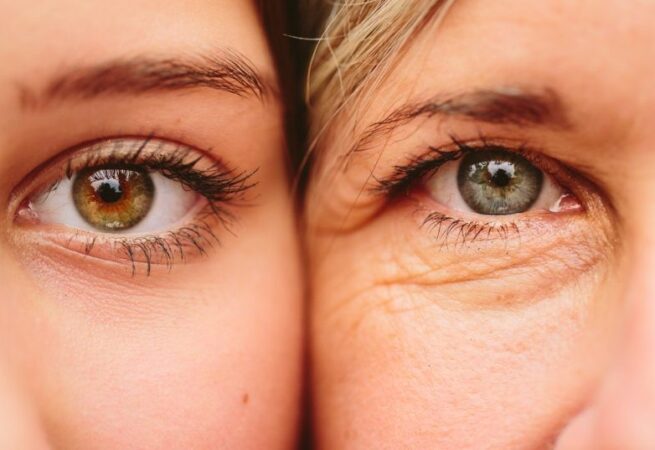
The under-eye region contains some of the thinnest skin on the body. This creates both advantages and challenges. Thin skin allows for natural facial expression and flexibility. However, it also means that changes occurring beneath the surface become more visible. Small reductions in hydration, collagen, or skin elasticity may show up sooner around the eyes than elsewhere on the face. In many cases, people notice under-eye changes years before they see comparable changes in other facial areas.
Modern Life Adds Extra Pressure
The human face did not evolve for endless screen time. Today, many people spend hours looking at phones, tablets, and computer monitors. Digital devices often encourage squinting, eye strain, and reduced blinking patterns. Combined with environmental stressors such as air pollution and UV exposure, these habits can place additional demands on the skin.
The issue is rarely one single factor. Instead, multiple small influences often work together over time. That is why under-eye wrinkles sometimes seem to appear “early” when they are actually the result of years of accumulated exposure.
Sunlight Leaves a Lasting Signature
Few factors influence visible skin aging more than ultraviolet radiation. Sun exposure gradually affects collagen and elastin, two important components that help skin maintain structure and flexibility. The under-eye area receives daily exposure even when people do not spend significant time outdoors.
Because this region is already delicate, repeated UV exposure can contribute to earlier development of fine lines and changes in skin texture. Protecting the skin consistently often proves more effective than trying to correct years of accumulated damage later.
Sleep Shows Up on Your Face
Many people think of sleep as rest for the brain. The skin benefits too. During sleep, the body supports numerous repair and recovery processes. Chronic sleep deprivation may influence skin appearance and contribute to a tired or aged look.
The under-eye area frequently reflects these effects first. Dark circles, puffiness, and fine lines can appear more noticeable when quality sleep becomes inconsistent. Over time, poor sleep habits may contribute to a cycle that affects both overall wellness and skin health.
Understanding the Interest in Red Light Therapy Masks
A red light therapy mask has attracted attention within skincare discussions because researchers continue exploring how specific wavelengths of red light interact with skin cells. Scientific interest focuses on understanding how light-based technologies may influence biological processes associated with skin maintenance and appearance.
Current research continues to evolve, and experts generally view these devices as one element within a broader skincare approach. Consistent sun protection, adequate sleep, hydration, and healthy lifestyle choices remain essential foundations for maintaining skin health over time.
The Earlier You Start Paying Attention, the Better
One of the biggest misconceptions about wrinkles is that prevention begins after they appear. In reality, skin aging starts long before visible lines become noticeable. Daily habits shape skin health gradually, often producing effects that become visible years later. The under-eye area simply tends to reveal those changes sooner.
Rather than viewing early wrinkles as a sign of failure, it may be more helpful to see them as information. They often reflect the cumulative impact of movement, environment, lifestyle, and time. Understanding those influences creates an opportunity to support skin health before small changes become larger concerns. In many cases, the most effective skincare strategy is not chasing perfection. It is building habits that help the skin remain healthy, resilient, and supported for the long term.
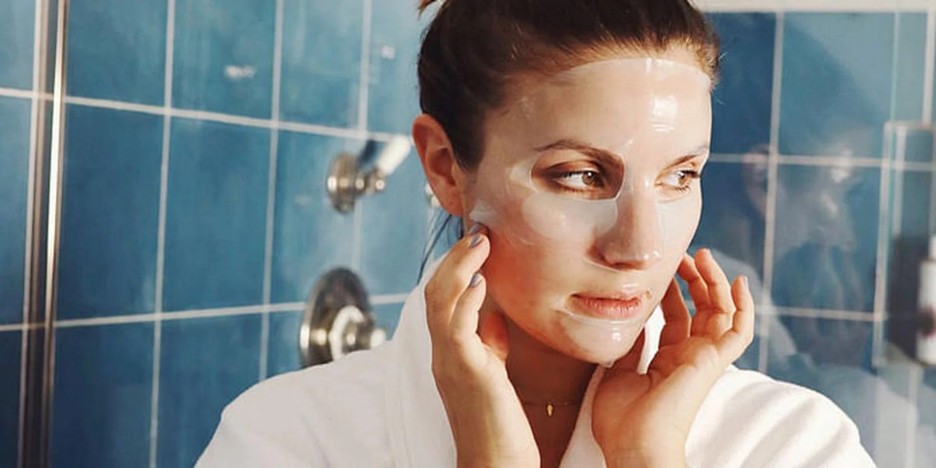
A Beginner’s Guide to Peptides in Skincare
Peptides are short chains of amino acids that your body uses for many important functions. Amino acids are the building blocks of proteins, and when they link together, they form peptides. These peptides then help create larger proteins that support different parts of the body. Today, many people also choose to purchase peptides in the form of supplements or skincare products because of their potential benefits.
Peptides are found naturally in the skin, but they are also added to creams, serums, and lotions. They can even be found in different foods. Because they are smaller than full proteins, peptides can be absorbed more easily by the skin, making them useful in many skincare products which is why so many are purchasing quality verified peptides.
How Peptides Help Your Skin
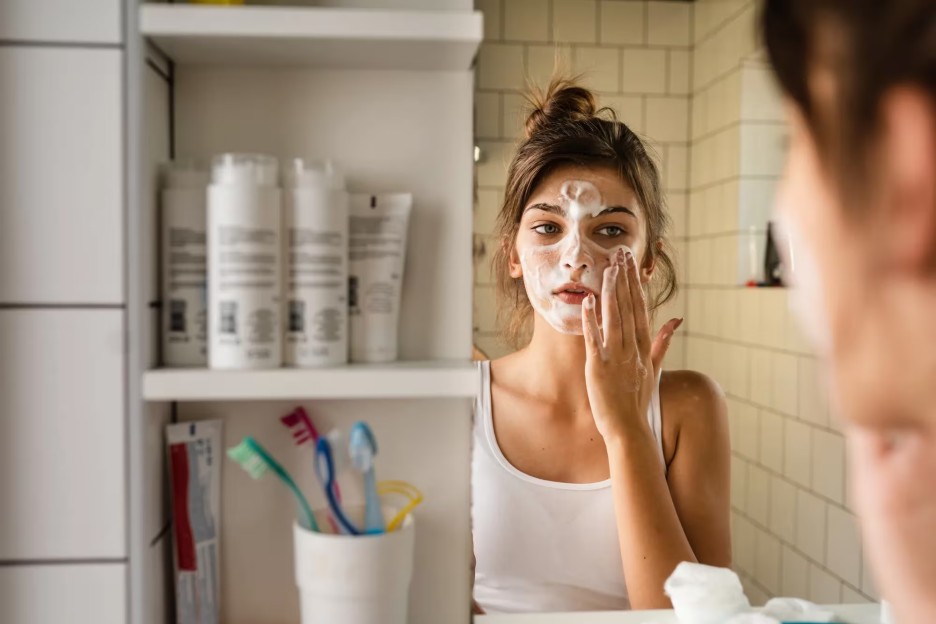
What Peptides Do in Skincare
Your skin naturally contains peptides, but their levels slowly decrease as you age. Since peptides help form important proteins like collagen and elastin, a drop in peptide levels can lead to changes in skin texture, firmness, and overall appearance.
Collagen and elastin play a big role in keeping your skin looking healthy, hydrated, and youthful. Peptides also help form keratin, which supports brighter-looking skin, smoother texture, and even shinier hair.
Because full proteins are too large to enter the skin, skincare products often use peptides instead. These smaller chains can move through the skin more easily and support its natural repair and renewal process.
If you want to check whether your products contain peptides, look for names like dipeptide, tripeptide, tetrapeptide, hexapeptide, and oligopeptide on the ingredient list. You may also see words like palmitoyl or carnosine, which are types of peptides used in skincare.
Main Benefits of Peptides in Skincare
1. Strengthening the Skin Barrier
Your skin barrier protects you from dryness, irritation, and pollution. When this barrier becomes weak, your skin may look dull or become sensitive. Peptides can help support and strengthen this barrier, making your skin better at holding moisture and staying healthy.
2. Reducing Fine Lines and Wrinkles
Because peptides help support collagen production, they can help reduce the look of fine lines and wrinkles. With regular use, skincare products with peptides may help your skin appear smoother, firmer, and more refreshed.
How to Add Peptides to Your Skincare Routine
Choose the Right Products
The best way to start using peptides is through serums and creams. These stay on the skin longer, giving the peptides more time to be absorbed. Applying them in the right order also helps—usually after cleansing and before moisturizer (or as your moisturizer, depending on the product).
Use Peptides With Hydrating Ingredients
Peptides work well with many other skincare ingredients. To get the most benefit, combine them with hydrating and calming ingredients like niacinamide or hyaluronic acid.
For example, a serum like the Cetaphil Healthy Radiance Antioxidant-C Serum includes niacinamide and a gentle form of vitamin C. These ingredients help brighten the skin, reduce signs of sun damage, and support skin radiance while working well with peptides.
The Bottom Line
Peptides are powerful building blocks that support the proteins your skin needs to stay smooth, firm, and hydrated. As natural peptide levels decrease over time, adding peptide-based products to your routine can help your skin stay strong and youthful-looking. When paired with other gentle and hydrating ingredients, peptides can help restore moisture, improve texture, and keep your skin glowing and healthy.
If you want to support your skin in a simple but effective way, using products with peptides is a great place to start.