











Why Recovery Is Becoming More Important Than Intensity
For many years, fitness culture rewarded one thing above all else: intensity.
People were encouraged to train harder, push through exhaustion, and follow “no days off” mentalities in pursuit of faster results. High-intensity workouts, extreme cardio sessions, and constant training became heavily promoted across social media and the fitness industry.
Today, that mindset is changing.
In 2026, recovery has become one of the most important topics in modern fitness and wellness. Athletes, gym users, and health-conscious individuals are increasingly realizing that progress does not happen only during workouts — it also happens during recovery.
As a result, more people are prioritizing:
- Sleep
- Mobility
- Stress management
- Active recovery
- Rest days
- Recovery-focused nutrition
This shift reflects a larger movement toward sustainable fitness, long-term health, and performance longevity.
Why Recovery Matters
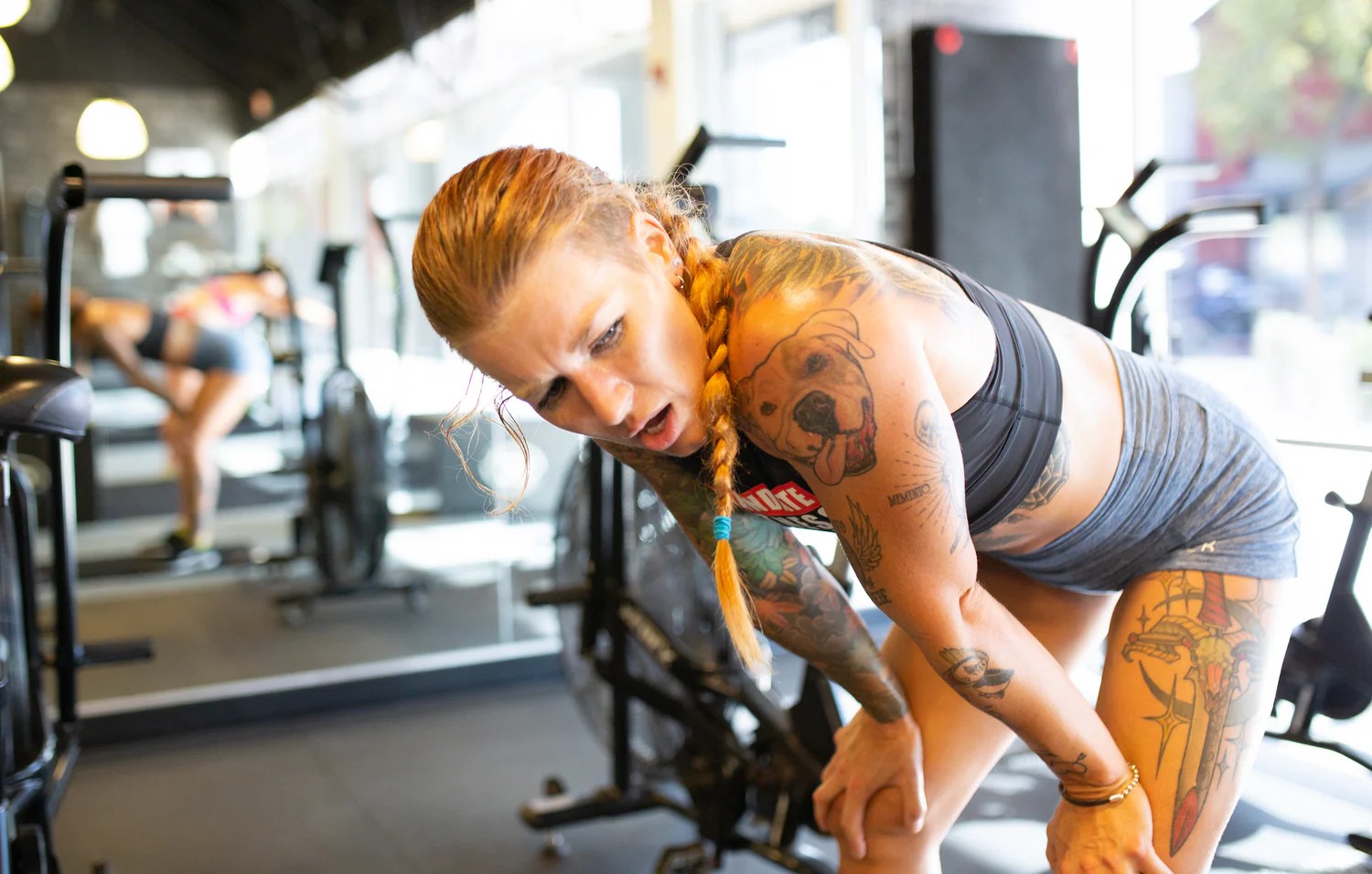
Exercise places stress on the body.
Strength training, cardio, sports, and intense workouts all create physical fatigue that the body must recover from in order to adapt and improve.
Without proper recovery, people may experience:
- Burnout
- Poor performance
- Fatigue
- Sleep disruption
- Increased injury risk
- Mental exhaustion
- Reduced motivation
Recovery allows the body to:
- Repair muscle tissue
- Restore energy levels
- Regulate hormones
- Support nervous system function
- Improve physical performance
This is why recovery is now considered a fundamental part of any balanced fitness routine.
The Problem With Overtraining Culture
For years, social media fitness culture promoted constant intensity.
Popular messages included:
- “Train harder”
- “No excuses”
- “No days off”
- “Pain is weakness leaving the body”
While discipline and consistency are important, many people eventually discovered that excessive intensity without proper recovery often leads to diminishing results.
Overtraining may negatively affect:
- Energy
- Mood
- Hormones
- Sleep
- Motivation
- Athletic performance
This realization has caused many fitness professionals and athletes to adopt more balanced approaches to training.
Recovery and Long-Term Performance
One major reason recovery has become so important is because people increasingly care about long-term performance and longevity.
Instead of focusing only on short-term physical transformation, many individuals now prioritize:
- Sustainable fitness
- Injury prevention
- Joint health
- Mobility
- Healthy aging
Recovery helps people stay consistent over longer periods without constantly feeling exhausted or injured.
This is especially important for:
- Athletes
- Runners
- Weightlifters
- Hybrid athletes
- Older adults
- Busy professionals balancing stress and training
The modern fitness industry is increasingly moving away from burnout culture and toward performance sustainability.
Sleep: The Foundation of Recovery
Sleep is now widely considered one of the most important recovery tools available.
During sleep, the body focuses heavily on:
- Muscle repair
- Hormone regulation
- Nervous system recovery
- Cognitive restoration
- Immune support
Poor sleep can negatively affect nearly every aspect of health and fitness.
Lack of recovery sleep may contribute to:
- Reduced workout performance
- Increased stress
- Poor appetite control
- Slower recovery
- Reduced motivation
This is one reason sleep optimization has become one of the fastest-growing areas in health and wellness.
Many people now prioritize:
- Consistent sleep schedules
- Reduced screen exposure before bed
- Better sleep environments
- Stress management
- Recovery-focused nighttime routines
Active Recovery and Low-Intensity Movement
Modern recovery strategies often include active recovery rather than complete inactivity.
Low-intensity activities such as:
- Walking
- Stretching
- Swimming
- Mobility work
- Light cycling
can help support circulation and recovery without heavily stressing the body.
Walking, in particular, has become one of the most popular recovery tools because it is:
- Accessible
- Low impact
- Easy to recover from
- Beneficial for mental wellbeing
This reflects the broader movement toward lower-stress forms of exercise that support both physical and mental health.
Mobility and Recovery
Mobility work has also become a major part of recovery-focused fitness.
Mobility exercises may help:
- Reduce stiffness
- Improve movement quality
- Support joint health
- Improve posture
- Enhance flexibility
Many athletes and gym users now include mobility routines before or after workouts to support movement efficiency and reduce discomfort.
As more people prioritize long-term health and injury prevention, mobility training continues growing rapidly within modern fitness culture.
Cold Plunges, Saunas, and Recovery Trends
Recovery technology and wellness practices have exploded in popularity over the last few years.
Popular recovery methods now include:
- Cold plunges
- Ice baths
- Sauna sessions
- Massage guns
- Compression therapy
- Recovery boots
- Breathwork
Social media has played a huge role in popularizing these recovery tools.
Many people use these methods in hopes of:
- Reducing soreness
- Improving circulation
- Supporting recovery
- Lowering stress
- Enhancing overall wellbeing
While some methods have stronger scientific support than others, the growing interest in recovery reflects a major shift in modern wellness culture.
Nutrition and Recovery
Recovery is also heavily influenced by nutrition.
The body requires adequate nutrients to repair and recover effectively after exercise.
Important recovery-focused nutrition habits often include:
- Sufficient protein intake
- Hydration
- Electrolyte balance
- Whole foods
- Carbohydrates for energy restoration
As performance-focused fitness continues evolving, many people are also researching broader conversations around muscle preservation, body composition, and training support.
Within certain performance and bodybuilding communities, SARMs are commonly discussed in relation to recovery and lean muscle maintenance. For readers interested in understanding the science, safety considerations, and ongoing research conversations surrounding these compounds, this educational SARMs research guide provides a deeper overview of how SARMs are typically discussed within modern fitness culture.
Because the content focuses on education and research rather than aggressive sales messaging, it integrates naturally into broader discussions around recovery and performance optimization.
Mental Recovery Matters Too
Recovery is not only physical — mental recovery is equally important.
Constant stress from:
- Work
- Social media
- Lack of sleep
- Intense training
- Busy schedules
can negatively affect overall wellbeing.
This is why many wellness routines now emphasize:
- Mindfulness
- Walking
- Relaxation
- Time outdoors
- Lower stress lifestyles
Fitness culture increasingly recognizes that mental health and physical health are deeply connected.
Why Athletes Prioritize Recovery
Professional athletes have understood the importance of recovery for decades.
Elite sports organizations invest heavily in:
- Sleep optimization
- Physical therapy
- Mobility programs
- Recovery facilities
- Recovery technology
This is because recovery directly affects performance.
Without adequate recovery, even the best training programs eventually become less effective.
Now, everyday fitness enthusiasts are beginning to adopt similar recovery-focused strategies.
The Shift Toward Sustainable Fitness
One of the biggest changes happening in modern fitness is the shift toward sustainability.
People increasingly want:
- Long-term health
- Balanced routines
- Reduced burnout
- Better energy
- Healthy aging
- Improved quality of life
Rather than constantly chasing exhaustion, many individuals now prioritize workouts and recovery methods they can realistically maintain for years.
This approach often creates:
- Better consistency
- More stable progress
- Improved mental wellbeing
- Reduced injury risk
The Future of Recovery in Fitness
Recovery is no longer viewed as optional.
It has become one of the central pillars of modern health, fitness, and performance culture.
As more people recognize the importance of balancing training with proper recovery, the fitness industry will likely continue shifting toward:
- Smarter programming
- Better recovery habits
- Lower stress lifestyles
- Long-term wellness
Whether through sleep, mobility work, walking, nutrition, or stress management, recovery has become one of the most important tools for improving both physical and mental performance.
In modern fitness, training hard is no longer enough. Recovering properly is what allows people to continue progressing, stay healthy, and maintain long-term results.

Creating Healthier Working Environments in a High-Pressure World
Workplace demands have increased significantly in recent years. Faster decision making, constant connectivity and evolving expectations have reshaped how people experience work. While productivity tools and flexible working have delivered clear benefits, they have also introduced new challenges that can quietly undermine employee wellbeing.
As organisations adapt to these changes, many are recognising that wellbeing support must move beyond policy statements and occasional initiatives. Instead, it needs to be practical, visible and embedded into everyday working life.
Understanding the Daily Impact of Work
The strain of modern work often comes from repetition rather than extremes. Hours spent at desks, limited movement and sustained concentration can place ongoing pressure on the body and mind.
Over time, this can lead to physical discomfort such as tight shoulders, lower back pain and headaches. These issues are often accompanied by mental fatigue, reduced focus and irritability. When left unaddressed, they can affect morale, engagement and overall performance.
Recognising these patterns is the first step towards creating healthier working environments.
Bringing Wellbeing Closer to Employees
Wellbeing initiatives are most effective when they are easy to access. If support requires employees to sacrifice personal time or navigate complex booking systems, uptake is likely to be limited.
For this reason, many organisations are choosing to deliver wellbeing support directly within the workplace. On site initiatives help normalise wellbeing as part of the working day rather than something separate from it.
As part of this approach, services such as corporate massage are increasingly being introduced in office environments. These sessions can be scheduled during work hours, require minimal space and help employees manage physical tension without disrupting productivity.
Supporting Physical Wellbeing to Improve Performance
Physical comfort plays a vital role in how people work. Persistent discomfort can reduce concentration, increase stress and make even simple tasks feel more demanding.
Supporting physical wellbeing can help improve focus, energy levels and overall job satisfaction. When employees feel physically supported, they are better equipped to handle pressure and maintain a steady pace of work.
This approach also reinforces the idea that wellbeing is preventative. Addressing small issues early helps reduce the risk of more serious problems developing over time.
Wellbeing and Organisational Culture
Wellbeing initiatives do more than support individual health. They also shape workplace culture. Visible, consistent support signals that an organisation values its people and understands the realities of modern work.
This has a direct impact on trust and engagement. Employees who feel supported are more likely to be committed, collaborative and motivated.
Wellbeing also plays a growing role in recruitment and retention. Organisations that prioritise employee health are increasingly seen as employers of choice, particularly among professionals seeking sustainable careers rather than short term gains.
Making Wellbeing Sustainable
Sustainable wellbeing strategies focus on consistency rather than scale. Small, regular initiatives are often more effective than large, infrequent programmes.
Listening to employee feedback helps ensure wellbeing support remains relevant and inclusive. Different teams have different needs, and flexibility is key to long term success.
By embedding wellbeing into daily routines and organisational values, businesses can move away from reactive responses and towards a more proactive, supportive approach.
Looking Towards the Future of Work
The future of work will continue to evolve, bringing new challenges and opportunities. Organisations that invest in practical wellbeing support will be better positioned to adapt and thrive.
By focusing on everyday comfort, accessibility and prevention, employers can create environments where people feel supported and able to perform at their best.
In doing so, wellbeing becomes not just an initiative, but an integral part of how work is done.

Is It Possible For Adenomyosis to Heal Itself?
Because of the rising financial tension in present day culture, ladies’ wellbeing has been more compromised. Generally speaking, adenomyosis is most certainly a cerebral pain for ladies. Furthermore, particularly lately, the quantity of new patients with adenomyosis keeps on rising consistently.
Also, the time of many individuals with adenomyosis is on the downfall, from around 40 years of age to 30 years of age, and, surprisingly, a few 20-year-old young ladies can not get away from the enchanted hand of adenomyosis. Also, many individuals feel that the infection can recuperate itself. Is it feasible for adenomyosis to recuperate itself?
How about we initially present adenomyosis. It is brought about by the intrusion of endometrial cells into the myometrium. Furthermore, as per the ebb and flow research, the reason for the sickness isn’t definite, so it is accepted that it is because of hereditary, viral contamination, uterine preparation, or curettage brought about by uterine injury and different variables. Also, as per the exploration information, most adenomyosis patients will have serious dysmenorrhea, weighty and delayed feminine periods, sexual torment, and even fruitlessness side effects.
Is it workable for adenomyosis to recuperate itself? As a matter of fact, a few ladies with adenomyosis are postmenopausal, and regardless of whether the endometrial cells that attack the myometrium don’t change intermittently, then normally, there will be no dysmenorrhea and dying. Nonetheless, assuming the sore is still in the myometrium, it doesn’t imply that adenomyosis has self-recuperating.
Furthermore, in light of the fact that adenomyosis makes more amazing agony patients and is probably not going to mend itself for some individuals. So patients with adenomyosis actually need medicine. Patients with gentle side effects can consume medications to control the infection, like home grown medication Fuyan pill, made by Dr. Lee’s TCM Clinic and isn’t as destructive to the body as contraceptives or pain relievers.
For patients with serious side effects and incapable medication treatment, careful treatment is likewise a superior choice. On the off chance that the patient is north of 40 years of age and doesn’t have fruitfulness prerequisites with pallor and dysmenorrhea, a reasonable careful treatment is a hysterectomy. In the event that they have neighborhood adenomyoma, they can keep the uterus and pick drug treatment subsequent to eliminating nearby sores to forestall a repeat.
What ought to individuals with adenomyosis notice to forestall the disintegration of the infection?
The first isn’t to eat corrosive. It is fundamentally in light of the fact that corrosive food has an astringent capability, which makes the blood astringent, thus, normally, individuals with dysmenorrhea ought to abstain from utilizing such food during the feminine time frame. We call acidic food here, including rice vinegar, hot and acrid vegetables, pickles, harsh jujube, apricot, lemon, and so on.
Second, the eating regimen ought to be light. It isn’t appropriate for ladies with adenomyosis eating lamb, shrimp, crab, eel, salted fish, cuttlefish, and different things. They can eat more protein, nutrient food. Assuming they have weighty and delayed feminine volume, they ought to eat a food wealthy in lack of iron to forestall iron sickliness.
The third isn’t to eat fiery food. A few ladies have weighty feminine cycle with dysmenorrhea. It can bother pelvic blockage and aggravation when they eat some fiery and energizer food once more. In serious cases, it might likewise cause uterine muscle over the top compression and make dysmenorrhea disturbance. Thusly, patients with dysmenorrhea ought to attempt to eat less or keep away from this food, like pepper, pepper, garlic, onion, ginger, and zesty fixings.
The fourth isn’t ravenous. Ladies shouldn’t eat some crude and cold food, for example, cool beverages, cold dishes, crabs, pears, persimmons, watermelon, bananas, amber pear, mung bean, and so on, when feminine cycle. This food can cause without remorse balance and exasperate dysmenorrhea.