












Why Recovery Is Becoming More Important Than Intensity
For many years, fitness culture rewarded one thing above all else: intensity.
People were encouraged to train harder, push through exhaustion, and follow “no days off” mentalities in pursuit of faster results. High-intensity workouts, extreme cardio sessions, and constant training became heavily promoted across social media and the fitness industry.
Today, that mindset is changing.
In 2026, recovery has become one of the most important topics in modern fitness and wellness. Athletes, gym users, and health-conscious individuals are increasingly realizing that progress does not happen only during workouts — it also happens during recovery.
As a result, more people are prioritizing:
- Sleep
- Mobility
- Stress management
- Active recovery
- Rest days
- Recovery-focused nutrition
This shift reflects a larger movement toward sustainable fitness, long-term health, and performance longevity.
Why Recovery Matters
Exercise places stress on the body.
Strength training, cardio, sports, and intense workouts all create physical fatigue that the body must recover from in order to adapt and improve.
Without proper recovery, people may experience:
- Burnout
- Poor performance
- Fatigue
- Sleep disruption
- Increased injury risk
- Mental exhaustion
- Reduced motivation
Recovery allows the body to:
- Repair muscle tissue
- Restore energy levels
- Regulate hormones
- Support nervous system function
- Improve physical performance
This is why recovery is now considered a fundamental part of any balanced fitness routine.
The Problem With Overtraining Culture
For years, social media fitness culture promoted constant intensity.
Popular messages included:
- “Train harder”
- “No excuses”
- “No days off”
- “Pain is weakness leaving the body”
While discipline and consistency are important, many people eventually discovered that excessive intensity without proper recovery often leads to diminishing results.
Overtraining may negatively affect:
- Energy
- Mood
- Hormones
- Sleep
- Motivation
- Athletic performance
This realization has caused many fitness professionals and athletes to adopt more balanced approaches to training.
Recovery and Long-Term Performance
One major reason recovery has become so important is because people increasingly care about long-term performance and longevity.
Instead of focusing only on short-term physical transformation, many individuals now prioritize:
- Sustainable fitness
- Injury prevention
- Joint health
- Mobility
- Healthy aging
Recovery helps people stay consistent over longer periods without constantly feeling exhausted or injured.
This is especially important for:
- Athletes
- Runners
- Weightlifters
- Hybrid athletes
- Older adults
- Busy professionals balancing stress and training
The modern fitness industry is increasingly moving away from burnout culture and toward performance sustainability.
Sleep: The Foundation of Recovery
Sleep is now widely considered one of the most important recovery tools available.
During sleep, the body focuses heavily on:
- Muscle repair
- Hormone regulation
- Nervous system recovery
- Cognitive restoration
- Immune support
Poor sleep can negatively affect nearly every aspect of health and fitness.
Lack of recovery sleep may contribute to:
- Reduced workout performance
- Increased stress
- Poor appetite control
- Slower recovery
- Reduced motivation
This is one reason sleep optimization has become one of the fastest-growing areas in health and wellness.
Many people now prioritize:
- Consistent sleep schedules
- Reduced screen exposure before bed
- Better sleep environments
- Stress management
- Recovery-focused nighttime routines
Active Recovery and Low-Intensity Movement
Modern recovery strategies often include active recovery rather than complete inactivity.
Low-intensity activities such as:
- Walking
- Stretching
- Swimming
- Mobility work
- Light cycling
can help support circulation and recovery without heavily stressing the body.
Walking, in particular, has become one of the most popular recovery tools because it is:
- Accessible
- Low impact
- Easy to recover from
- Beneficial for mental wellbeing
This reflects the broader movement toward lower-stress forms of exercise that support both physical and mental health.
Mobility and Recovery
Mobility work has also become a major part of recovery-focused fitness.
Mobility exercises may help:
- Reduce stiffness
- Improve movement quality
- Support joint health
- Improve posture
- Enhance flexibility
Many athletes and gym users now include mobility routines before or after workouts to support movement efficiency and reduce discomfort.
As more people prioritize long-term health and injury prevention, mobility training continues growing rapidly within modern fitness culture.
Cold Plunges, Saunas, and Recovery Trends
Recovery technology and wellness practices have exploded in popularity over the last few years.
Popular recovery methods now include:
- Cold plunges
- Ice baths
- Sauna sessions
- Massage guns
- Compression therapy
- Recovery boots
- Breathwork
Social media has played a huge role in popularizing these recovery tools.
Many people use these methods in hopes of:
- Reducing soreness
- Improving circulation
- Supporting recovery
- Lowering stress
- Enhancing overall wellbeing
While some methods have stronger scientific support than others, the growing interest in recovery reflects a major shift in modern wellness culture.
Nutrition and Recovery
Recovery is also heavily influenced by nutrition.
The body requires adequate nutrients to repair and recover effectively after exercise.
Important recovery-focused nutrition habits often include:
- Sufficient protein intake
- Hydration
- Electrolyte balance
- Whole foods
- Carbohydrates for energy restoration
As performance-focused fitness continues evolving, many people are also researching broader conversations around muscle preservation, body composition, and training support.
Within certain performance and bodybuilding communities, SARMs are commonly discussed in relation to recovery and lean muscle maintenance. For readers interested in understanding the science, safety considerations, and ongoing research conversations surrounding these compounds, this educational SARMs research guide provides a deeper overview of how SARMs are typically discussed within modern fitness culture.
Because the content focuses on education and research rather than aggressive sales messaging, it integrates naturally into broader discussions around recovery and performance optimization.
Mental Recovery Matters Too
Recovery is not only physical — mental recovery is equally important.
Constant stress from:
- Work
- Social media
- Lack of sleep
- Intense training
- Busy schedules
can negatively affect overall wellbeing.
This is why many wellness routines now emphasize:
- Mindfulness
- Walking
- Relaxation
- Time outdoors
- Lower stress lifestyles
Fitness culture increasingly recognizes that mental health and physical health are deeply connected.
Why Athletes Prioritize Recovery
Professional athletes have understood the importance of recovery for decades.
Elite sports organizations invest heavily in:
- Sleep optimization
- Physical therapy
- Mobility programs
- Recovery facilities
- Recovery technology
This is because recovery directly affects performance.
Without adequate recovery, even the best training programs eventually become less effective.
Now, everyday fitness enthusiasts are beginning to adopt similar recovery-focused strategies.
The Shift Toward Sustainable Fitness
One of the biggest changes happening in modern fitness is the shift toward sustainability.
People increasingly want:
- Long-term health
- Balanced routines
- Reduced burnout
- Better energy
- Healthy aging
- Improved quality of life
Rather than constantly chasing exhaustion, many individuals now prioritize workouts and recovery methods they can realistically maintain for years.
This approach often creates:
- Better consistency
- More stable progress
- Improved mental wellbeing
- Reduced injury risk
The Future of Recovery in Fitness
Recovery is no longer viewed as optional.
It has become one of the central pillars of modern health, fitness, and performance culture.
As more people recognize the importance of balancing training with proper recovery, the fitness industry will likely continue shifting toward:
- Smarter programming
- Better recovery habits
- Lower stress lifestyles
- Long-term wellness
Whether through sleep, mobility work, walking, nutrition, or stress management, recovery has become one of the most important tools for improving both physical and mental performance.
In modern fitness, training hard is no longer enough. Recovering properly is what allows people to continue progressing, stay healthy, and maintain long-term results.
Sherum TrackPro 2.0 Reviews: Analyzing Its Pros and Cons
As someone living with chronic health conditions, keeping track of my vital signs and overall wellness has always been a top priority. However, finding a reliable, convenient, and non-invasive way to monitor these metrics has often felt like an uphill battle—until I came across the Sherum Track Pro 2.0.
From the moment I started using this smartwatch, it felt like a game-changer. Not only does it track my heart rate, blood pressure, and oxygen levels with ease, but its standout feature—the ability to monitor blood glucose levels without finger pricks—has made managing my health so much simpler. The sleek design, long battery life, and user-friendly app integration have all exceeded my expectations, making this device an essential part of my daily routine.
Let me share my experience and why I believe the Sherum Track Pro 2.0 is a fantastic tool for anyone looking to take control of their health.
What is Sherum Track Pro 2.0?
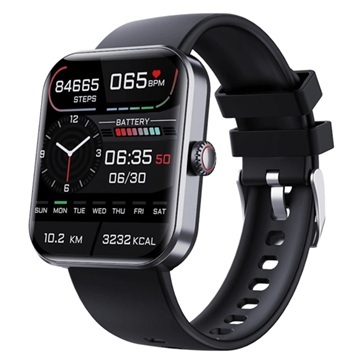
The Sherum TrackPro 2.0 is more than just a smartwatch; it’s my personal health guardian. This sleek device, with its large 1.9-inch display, has become an indispensable part of my health management routine. What sets it apart is its impressive array of health monitoring features, including heart rate, blood pressure, and blood oxygen level tracking.
But the feature that truly amazes me is its ability to monitor blood glucose levels without the need for painful finger pricks. As someone who’s struggled with regular blood sugar monitoring, this non-invasive method has been a revelation. The watch also tracks my daily activities, counting steps and calculating calories burned, which has been incredibly motivating for staying active despite my health challenges.
How Does It Work
The technology behind the Sherum Track Pro 2.0 is truly fascinating. At its core is the advanced “Glucose Monitor Chip” that uses infrared technology to measure blood sugar levels through the skin. This innovative approach eliminates the need for traditional invasive methods, making glucose monitoring much more comfortable and convenient.
For other health metrics, the watch employs a variety of sensors. The optical heart rate monitor tracks my pulse throughout the day, while other sensors measure my blood pressure and oxygen levels. What impresses me most is how seamlessly it integrates all these functions into a single, easy-to-use device.
The fitness tracking features use built-in sensors to monitor my physical activities accurately. Whether I’m taking a leisurely walk or pushing myself in a workout, the Track Pro 2.0 diligently records my steps, calories burned, and even offers various sports modes to suit different exercises.
How to Use Sherum Track Pro 2.0
Using the Sherum Track Pro 2.0 has been incredibly straightforward, even for someone like me who isn’t particularly tech-savvy. Here’s how I’ve incorporated it into my daily routine:
- I started by downloading the H-Band app on my smartphone and pairing it with the watch via Bluetooth. The process was simple and took just a few minutes.
- Wearing the watch snugly on my wrist ensures accurate readings for all health metrics.
- To check my various health parameters, I simply scroll through the watch face. For specific measurements like blood glucose or blood pressure, I select the desired function and follow the on-screen instructions.
- For fitness tracking, I choose from over 50 sports modes before starting my activity. The watch automatically records data such as distance, pace, and calories burned.
- I make it a habit to regularly sync my watch with the H-Band app. This allows me to view detailed historical data and trends, which has been invaluable in tracking my progress over time.
- The impressive battery life means I only need to charge the device about once every two weeks using the provided magnetic charging cable.
The Sherum Track Pro 2.0 has truly transformed how I manage my health. Its comprehensive tracking features, user-friendly interface, and the peace of mind it provides make it an essential tool in my daily life. While it’s important to remember that it’s not a medical device, the insights it offers have been incredibly helpful in maintaining a healthier lifestyle.
What I Like About Sherum Track Pro 2.0
- Non-invasive glucose monitoring: As someone who dreads finger pricks, this feature has been a game-changer for me.
- Comprehensive health tracking: Having all my vital signs in one place helps me stay on top of my chronic conditions.
- Long battery life: I don’t have to worry about charging it every day, which is a huge relief.
- Large, easy-to-read display: Even with my less-than-perfect eyesight, I can easily see my health data at a glance.
- Water-resistant design: I don’t have to take it off when washing dishes or getting caught in the rain.
- Affordable price point: Compared to other health-focused smartwatches, it offers great value for the features.
- User-friendly app: The H-Band app makes it simple for me to track my health trends over time.
- Multiple sports modes: It encourages me to try different activities, which helps manage my conditions.
What I Don’t Like About Sherum TrackPro 2.0
- Occasional syncing issues: Sometimes I have to restart the app to get it to sync properly.
- Bulky design: While not a deal-breaker, it can feel a bit heavy on my wrist during sleep.
- Limited smartwatch features: I wish it had more advanced features like replying to messages or making calls.
- No medical certification: While I find it helpful, I can’t rely on it entirely for medical decisions.
- Basic sleep tracking: I’d love more detailed insights into my sleep patterns.
- Limited third-party app integration: It would be nice to connect it with other health apps I use.
- Accuracy fluctuations: Sometimes I notice slight variations in readings, especially for blood pressure.
- No built-in GPS: For outdoor activities, I still need to carry my phone for accurate tracking.
Is Sherum Track Pro 2.0 Legit?
As someone who’s tried numerous health gadgets over the years, I’ve developed a keen sense for what works and what doesn’t. The Sherum Track Pro 2.0 has earned my trust through consistent performance and tangible benefits to my health management routine.
Firstly, the accuracy of its measurements has been impressive. While I always cross-reference with my medical devices, I’ve found the Track Pro 2.0’s readings to be remarkably close, especially for heart rate and blood oxygen levels. The glucose monitoring, while not a replacement for my medical equipment, has been a reliable indicator of trends, helping me make informed decisions about my diet and medication timing.
Moreover, the impact on my daily life has been significant. The continuous monitoring has helped me identify patterns in my health metrics that I hadn’t noticed before. For instance, I’ve been able to correlate certain activities with changes in my blood pressure, allowing me to make lifestyle adjustments that have positively impacted my overall health.
The device’s durability and consistent performance over time have also convinced me of its legitimacy. Despite daily wear and exposure to various conditions, it continues to function flawlessly. The regular software updates and responsive customer service further demonstrate the company’s commitment to their product and users.
While I acknowledge that the Sherum TrackPro 2.0 isn’t a certified medical device, its role as a supportive tool in my health management is undeniable. It has empowered me to take a more proactive approach to my health, providing valuable insights that I can discuss with my healthcare providers. For these reasons, I believe the Sherum TrackPro 2.0 is a legitimate and valuable tool for anyone looking to closely monitor their health, especially those of us managing chronic conditions.
Where to Buy Sherum Track Pro 2.0
As someone who’s benefited greatly from the Sherum TrackPro 2.0, I strongly recommend purchasing it from the official retail store. This ensures you receive a genuine product with full warranty coverage and excellent customer support. I bought mine there and was impressed by their 60-day money-back guarantee. They often have special deals and discounts, making it an even better value. Buying from the official store guarantees you’re getting the real deal and the best possible price.