












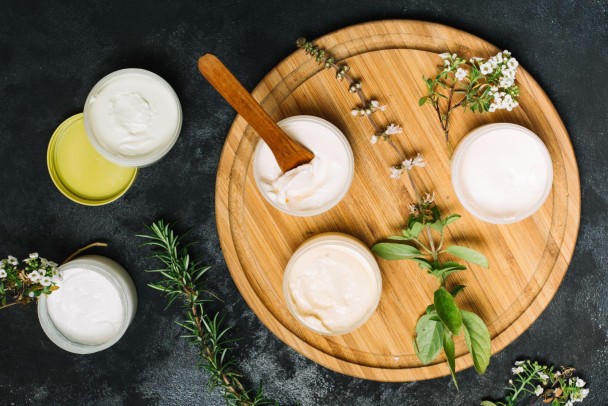
Night Routine with Ghee Cream for Maximum Brightening Results
The night is when your skin shifts from defense mode to repair mode. Throughout the day, the skin works hard to protect itself from sunlight, pollution, stress, and dehydration. At night, however, blood circulation improves, cell turnover increases, and the skin barrier focuses on healing and renewal. This natural rhythm makes nighttime the most effective window for treatments aimed at improving clarity, tone, and radiance.
Using a brightening ghee cream during your night routine supports these biological processes rather than competing with them. Ghee-based creams nourish the skin slowly, allowing nutrients to penetrate and work over several hours. Instead of instant surface shine, the result is gradual, natural brightening that becomes visible over time.
When used correctly as a ghee moisturizer for face, ghee cream can transform dull, tired skin into a softer, more even-toned complexion by morning, while strengthening the skin for long-term glow.
Understanding What “Brightening” Really Means
Skin brightening is not about changing your natural skin color. Scientifically and dermatologically, brightening refers to improved skin clarity, smooth texture, and even tone. Dullness is often caused by dehydration, dead skin buildup, inflammation, or a weakened skin barrier rather than pigmentation alone.
At night, the skin naturally sheds dead cells and produces new ones. If this process is supported with proper nourishment, the surface becomes smoother and better at reflecting light. This is why consistent nighttime care often delivers more visible brightening than aggressive daytime treatments.
Ghee cream supports this process by deeply moisturizing the skin and calming micro-inflammation that can interfere with healthy cell turnover. Over time, the skin looks clearer, fresher, and more luminous without appearing artificially glossy.
Preparing Your Skin Before Applying Ghee Cream
A successful night routine always begins with clean, receptive skin. Applying any nourishing cream on unclean skin can trap impurities and reduce effectiveness, especially when using rich, lipid-based products.
Start by cleansing your face with a gentle, non-stripping cleanser suited to your skin type. Avoid harsh scrubs or strong foaming agents at night, as these can disturb the skin barrier and counteract the nourishing effects of ghee cream. After cleansing, pat your skin dry, leaving it slightly damp.
If you use a toner or hydrosol, choose calming options such as rose water or plain distilled water. This step helps balance the skin’s surface and improves the spread and absorption of the cream. A well-prepared base ensures that the ghee cream works on skin renewal rather than damage control.
How to Apply Ghee Cream Correctly at Night
Application technique is just as important as the product itself. Ghee cream is concentrated, so using the right amount ensures comfort and effectiveness without heaviness.
Take a small amount, about the size of a pea, and warm it gently between your fingertips. This step softens the cream and helps it glide smoothly over the skin. Apply it using slow, upward strokes, focusing on areas that tend to look dull or tired, such as the cheeks, under-eye area (avoiding direct contact with eyes), and around the mouth.
Massage gently for one to two minutes. This improves circulation and helps the cream settle into the skin. There is no need to layer additional products over it at night. Ghee cream works best when allowed to stay undisturbed, nourishing the skin throughout sleep.
The Role of Sleep in Enhancing Brightening Results
Even the best night routine cannot deliver maximum results without quality sleep. During deep sleep, the body releases growth hormones that support tissue repair, including skin regeneration. Poor or interrupted sleep can slow cell turnover and increase inflammation, leading to dullness and uneven tone.
Using ghee cream before bed creates a comforting, calming ritual that signals the body to relax. Its soothing texture and mild natural aroma help reduce sensory overstimulation, supporting better sleep quality.
When sleep and skincare work together, the skin wakes up looking more rested, hydrated, and naturally bright. Over time, this synergy becomes visible not only in skin tone but also in overall skin resilience.
How Often to Use Ghee Cream for Best Results
Consistency is key when it comes to natural brightening. Ghee cream works gradually, supporting the skin’s own repair mechanisms rather than forcing rapid changes. For most skin types, nightly use delivers the best results.
However, individual skin responses vary. Those with very oily or acne-prone skin may prefer using it three to four nights a week initially, observing how the skin adapts. Dry, mature, or sensitive skin types often tolerate daily use well and benefit from the sustained nourishment.
Seasonal changes also play a role. During colder or drier months, nightly application helps prevent dullness caused by dehydration. In warmer climates, adjusting the quantity rather than frequency usually maintains balance.
Common Mistakes That Reduce Brightening Benefits
One common mistake is using too much product. Excess cream can sit on the skin’s surface, making it feel heavy and reducing absorption. Ghee cream is potent, and a small amount is sufficient.
Another mistake is combining it with too many active ingredients at night. Strong exfoliants or retinoids can disrupt the skin barrier and interfere with the calming, nourishing effect of ghee cream. If such actives are part of your routine, alternating nights works better.
Skipping cleansing or applying the cream on sweaty or dirty skin can also limit results. Brightening depends on allowing the skin to renew itself freely, which requires a clean, balanced surface.
What Results to Expect Over Time
Natural brightening is a gradual process, and patience is essential. In the first week, most people notice improved softness and reduced tightness. The skin often feels calmer and more comfortable upon waking.
After two to three weeks of consistent use, dullness begins to fade as hydration levels stabilize and the skin barrier strengthens. The complexion appears more even, and a subtle glow becomes noticeable without makeup.
With continued use over several months, the skin’s texture improves, fine dryness lines soften, and brightness looks more inherent rather than cosmetic. This long-term improvement is what makes ghee cream especially valuable in a night routine.
Adapting the Routine to Different Skin Types
While ghee cream is versatile, adapting the routine to your skin type enhances results. Dry skin benefits from slightly more product and a gentle massage to support circulation. Sensitive skin responds well to minimal layering and slow, consistent use.
Combination skin can apply the cream mainly to drier areas, such as cheeks, while using a very thin layer on oilier zones. For oily skin, reducing quantity and focusing on nighttime use alone often prevents heaviness.
Listening to your skin’s response is crucial. Natural products work best when used mindfully rather than rigidly.
A Simple Night Ritual for Lasting Brightness
A night routine with ghee cream is not about instant transformation but about restoring the skin’s natural rhythm and vitality. By aligning with the body’s repair cycle, ghee cream supports hydration, barrier strength, and gentle renewal, the true foundations of skin brightening.
When used consistently and correctly, it helps the skin wake up looking rested, even-toned, and quietly luminous. In a world of complex skincare routines, this simple ritual proves that sometimes, lasting brightness comes from nourishment, patience, and respect for the skin’s natural intelligence.