








Fort Worth TX Healthcare Event Tents — Custom Medical Pop Up Booths & Tradeshow Displays by Splash Tents
Fort Worth, Texas is a rapidly growing healthcare hub in the Dallas-Fort Worth metroplex. From major hospitals and clinics to nonprofit health organizations and wellness programs, Fort Worth hosts a variety of community health events, expos, and sponsorship activations throughout the year. A central tool for these events is the health organization branding tent—a versatile, durable, and highly visible solution that combines branding, operational efficiency, and professionalism.
Whether used for mobile health screenings, wellness fairs, hospital outreach, career recruitment, or charity events, branded tents help healthcare organizations establish credibility, organize their space, and enhance public engagement. Fort Worth hospitals, nonprofits, and medical technology companies rely on custom 10×10 tents to create a professional presence at indoor and outdoor venues.
Healthcare Organizations in Fort Worth Using patient education pop up tent
- Hospitals & Health Systems
Major Fort Worth hospitals such as Texas Health Harris Methodist Hospital, Cook Children’s Health Care System, Baylor Scott & White All Saints Medical Center, and JPS Health Network use custom tents for:
- public wellness events and health screenings
- mobile vaccination clinics
- hospital recruitment and career fairs
- sponsor activation booths at charity walks
Branded tents provide organized spaces that project professionalism and credibility to attendees.
- Health Nonprofits & Foundations
Nonprofits such as American Heart Association North Texas, mobile clinic tent Fort Worth, American Cancer Society Texas Chapter, March of Dimes Fort Worth, and Texas Public Health Association host charity walks, awareness campaigns, and fundraising events. Branded tents serve as:
- volunteer check-in stations
- educational and outreach booths
- hydration and rest areas
- sponsor activation hubs
Custom tents enhance visibility and ensure the nonprofit maintains a professional image during events.
- Medical Device & Pharmaceutical Companies
Medical technology firms and pharmaceutical companies participate in trade shows, expos, and public health events. Branded pop up tents are used to:
- demonstrate new medical devices or medications
- educate patients, caregivers, or providers
- create indoor/outdoor exhibit spaces
- host sponsor or activation booths
- Clinics & Wellness Providers
Local clinics, pediatric centers, mental health providers, and wellness organizations use tents for community outreach. Branded tents create professional, structured spaces for:
- patient screenings
- wellness consultations
- educational sessions
- volunteer coordination
Health organization branding tent are deployed in parks, schools, hospitals, community centers, and event venues throughout Fort Worth.
Benefits of Using Custom Healthcare Tents in Fort Worth
- Branding and Trust
Custom tents with hospital, clinic, or nonprofit logos immediately convey professionalism and credibility. Fort Worth residents are more likely to engage with a tent that visibly represents a trusted healthcare organization.
- Indoor & Outdoor Versatility
Tents provide flexibility for indoor trade shows, wellness expos, convention centers, or outdoor charity walks, community fairs, and park-based events.
- Protection for Sensitive Equipment
Hospitals and nonprofits use tents to protect equipment, screening devices, and educational materials from sun, wind, and rain. Durable commercial-grade tents ensure uninterrupted operations.
- Cost-Effective and Reusable
High-quality tents can be reused across multiple events, providing a long-term branding solution that reduces overall costs while maintaining professional presentation.
Examples of Fort Worth Healthcare Events Using Tents
- Community Health Fairs
Hospitals and public health organizations host screenings for:
- blood pressure, cholesterol, and glucose
- dental and vision checks
- nutrition and fitness education
- mental health awareness
Custom tents organize stations, guide attendees, and provide shade for volunteers and staff.
- Hospital Recruitment & Career Fairs
Fort Worth hospitals attend university and citywide career fairs. Branded tents create professional interview and information stations, reinforcing the hospital brand.
- Charity Walks and Wellness Events
Events like the Fort Worth Heart Walk, Susan G. Komen Race for the Cure, and local wellness challenges rely on tents for volunteer check-in, hydration stations, sponsor engagement, and educational booths.
- Mobile Health Clinics
Hospitals and nonprofits deploy mobile clinics to underserved communities. Custom tents provide organized spaces for:
- patient registration
- screenings and consultations
- educational material distribution
Popular Tent Configurations in Fort Worth
- 10×10 fully printed canopyfor maximum visibility
- Sidewalls for privacy during screenings
- Back walls with branding graphics
- Printed tables and counters
- Feather flags for wayfinding and brand visibility
- Full event kits including multiple tents, banners, and accessories
These setups allow Fort Worth healthcare organizations to create professional, cohesive activations at any event venue.
Why Fort Worth Healthcare Teams Choose Splash Tents
- Durable Aluminum Frames:Withstand repeated outdoor use and Texas weather conditions.
- Vibrant Graphics:Fade-resistant printing ensures long-lasting visibility.
- Custom Kits:Back walls, table covers, flags, and counters provide complete branding setups.
- Fast Shipping:Ready-to-deploy tents delivered quickly to hospitals, nonprofits, and agencies.
- Cost-Effective Reuse:Long-lasting materials maximize event budgets.
Splash Tents, Inc., headquartered in Dallas, Texas, manufactures custom pop up tents, 10×10 logo canopies, printed table covers, back walls, flags, and full tradeshow kits. Their clients include Fox Sports, Majestic Athletic, Dallas Trinity FC, Rockland Boulders New York Baseball, along with hundreds of hospitals, health nonprofits, universities, and professional organizations across the U.S.
Periodontists Are Experts in Gum Disease
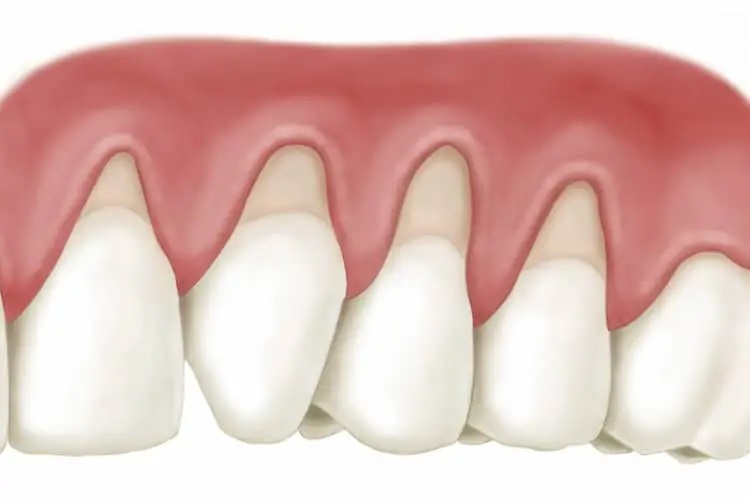
The term “periodontist” refers to a professional whose expertise includes gum infections and other issues. Diagnosing and treating gum disorders are the focus of this person’s profession. Along with working on bone tissue, he has skills in the highly concentrated field of working on soft tissue. You can visit your primary care physician to get things done like drug treatment for gum disorders, just like you can for any other form of sickness in the body, as long as it is in the early stages. However, when gum disease has reached a sensitive and severe stage, it needs to be treated by an expert in this area. You may accomplish this by seeing a periodontist who will fully care for your gums, so stay with us.
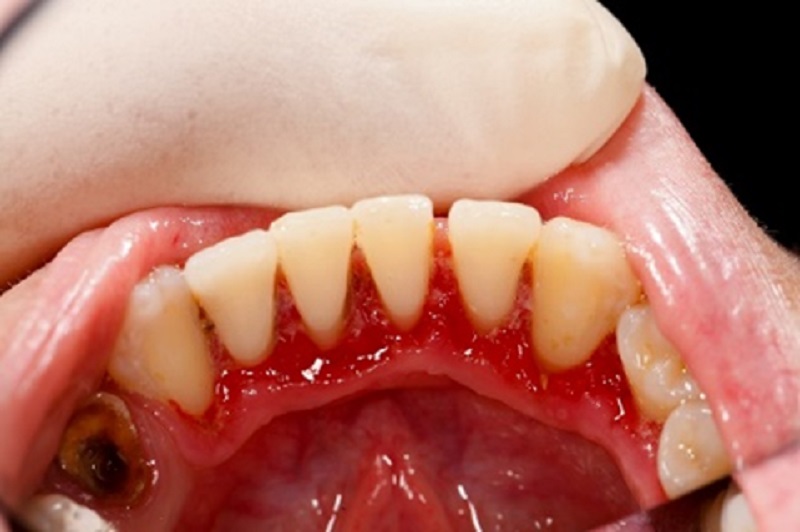
As an experienced dentist at a modern dental clinic in Oakville points out, the distinction between a periodontist and a dentist depends on whether there is mild, moderate, or advanced gum disease. Periodontitis refers to situations when there are swollen gums, bleeding gums, and loose teeth. We learn more about the periodontist in the paragraphs that follow.
When Must a Patient Visit a Periodontist?
To avoid gum issues, schedule routine examinations with a periodontist. In addition, there are other instances in which you should see a periodontist, such as when your gums are in excruciating pain or frequently bleeding. Other situations include the gums having an infection, red and swollen, or both. Additionally, you should see a doctor to get treatment if your mouth always stinks.
When a person experiences any issue in the gum area, they should see a periodontist, as can be inferred from the definitions provided for the term “periodontist” and all the work that this specialist performs.
Why Do People Get Gum Surgery?
The periodontist makes every effort to complete the procedure as painlessly as possible without performing any gum surgery. However, in extreme circumstances, gum surgery is the only option. Gum surgery typically falls into one of two categories: aesthetic or medicinal.
A periodontist should be consulted if you wish to undergo cosmetic operations. But when it comes to medical care, surgery is required since the patient’s health is at stake, and if there isn’t a cure for an infection or sickness, it could lead to other issues for the patient.
Periodontists’ methods
Unlike a dentist who treats teeth, a periodontist concentrates on soft tissue and bone. Gum disease, loose teeth, and mouth pain are common issues that these doctors treat. This professional should oversee or perform routine exams on those with diabetes, heart patients, pregnant women, or women going through puberty.
Beginning with deep scaling and scaling, these professionals attempt to address the condition without surgery or intrusive procedures. Gum infection that has progressed to an advanced stage should be treated surgically, using techniques like gum flap surgery and soft tissue grafting.
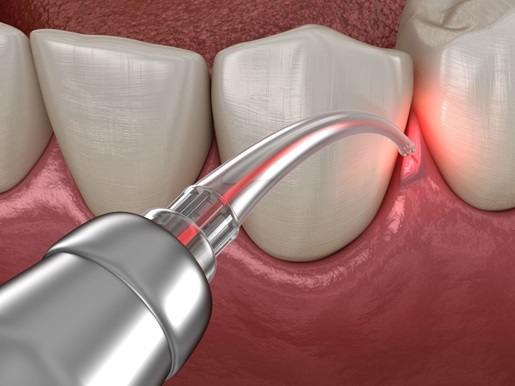
This group of experts works in the realm of beauty and diseases. This dentist’s area of expertise is treating gummy smiles with laser therapy, reshaping gum tissue, and extending crowns.

Left Brain Vs Right Brain
One way to exercise the left hemisphere is to lean a new language. An activity such as singing can help strengthen the right. Both of these activities rely on reading- song lyrics and studying language in written form. Such reading activates both sides simultaneously and works to boost brain performance. For More brain-boosting exercises please see the accompanying resource.
Graphic created by Master Pieces, Inc, retailer of puzzle adhesive sheets.
The Amazing Health Benefits Of Vitamin C
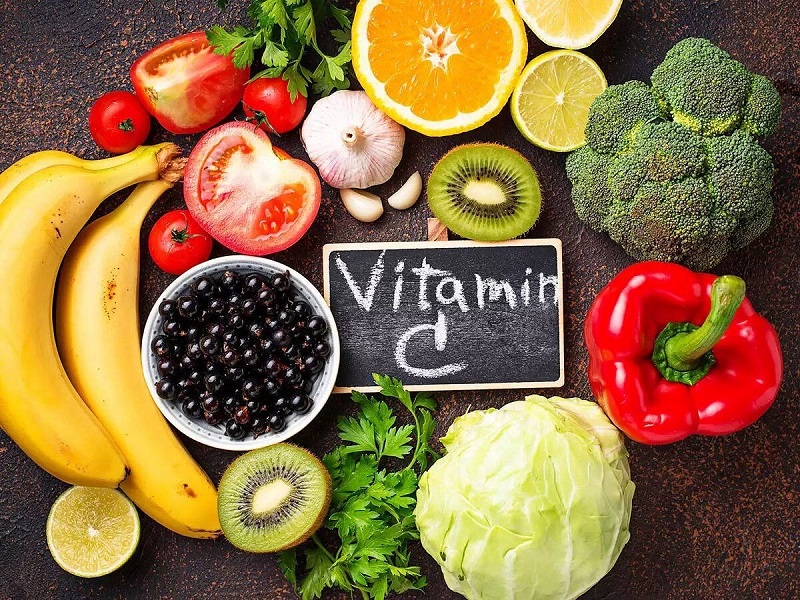
Ascorbic acid, another name for vitamin C, is a potent antioxidant that’s crucial for keeping the body healthy. We must obtain this mineral from our meals or supplements as our systems are unable to manufacture it. We shall discuss the numerous vitaminc health benefits (วิตามินซี ประโยชน์, which is the term in Thai) in this post and why it is crucial to our general health and wellbeing.
Improves Immune System Performance
The capacity of vitamin C to strengthen the immune system is one of its most well-known health advantages. This nutrient is essential for the development of white blood cells, which are in charge of warding off illnesses and infections. Regular vitamin C consumption can help shorten the length and severity of common diseases like the flu and colds.
Promotes Wound Healing
Additionally necessary for tissue repair and wound healing is vitamin C. Collagen, a protein required for the development and maintenance of skin, bones, and other tissues, is formed with its aid. Additionally, it aids in preventing cell deterioration and reducing inflammation, which can speed up the healing process.
Reduces Risk Of Chronic Diseases
According to studies, vitamin C may lower the chance of developing chronic illnesses like cancer, heart disease, and stroke. This nutrient aids in defending cells against the harm done by free radicals, unstable chemicals that can lead to oxidative stress and have a role in the emergence of chronic diseases.
Improves Skin Health
The health of your skin benefits from vitamin C as well. It aids in defending the skin from deterioration brought on by UV rays, pollution, and other environmental causes. Additionally, it contributes to the synthesis of collagen, which helps to enhance skin suppleness and lessen the visibility of wrinkles and fine lines.
Supports Eye Health
Maintaining eye health requires vitamin C. It aids in shielding the eyes from environmental influences and UV radiation damage. Additionally, it contributes to the synthesis of collagen, a substance vital to the health of the cornea and other tissues of the eye.
Boosts Iron Absorption
Additionally, vitamin C can aid in the body’s improved absorption of iron. Red blood cell synthesis and the distribution of oxygen throughout the body depend on iron, an important mineral. Iron deficiency anaemia can be avoided because of vitamin C’s role in converting iron into a form that is simpler for the body to absorb.
Conclusion
Vitamin C is a vital substance with several health advantages. This nutrient is essential for maintaining our general health and wellness since it improves immune system function, speeds up wound healing, and lowers the risk of chronic diseases. To ensure that you are getting enough of this crucial nutrient, make sure to include foods high in vitamin C in your diet, such as citrus fruits, strawberries, broccoli, and peppers. You can also think about taking a vitamin C supplement.
The Empowerment of Women’s Health: Nurturing Holistic Well-being
In today’s progressive era, women’s health has emerged as a pivotal topic, deserving special attention and care. The empowerment of women in all spheres of life is directly intertwined with their well-being, making it essential to prioritize and foster their physical, mental, and emotional health. Recognizing the unique challenges faced by women and embracing a holistic approach to their healthcare is key to ensuring a brighter and healthier future for all. In this article, we will explore various aspects of women’s health and highlight the importance of comprehensive care tailored to their specific needs.
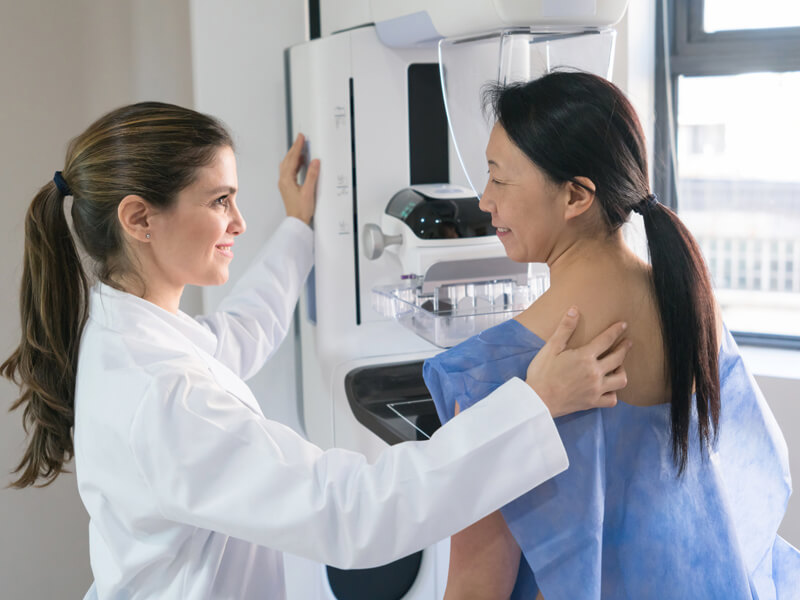
Physical health forms the foundation of overall well-being, and women’s bodies undergo significant transformations throughout their lives. Regular medical check-ups, including reproductive health screenings and breast examinations, are vital for early detection and prevention of potential issues. Furthermore, adopting a healthy lifestyle through regular exercise, balanced nutrition, and adequate sleep is crucial for maintaining optimal physical health. Women should prioritize self-care and make informed choices about contraception, pregnancy planning, and sexual health to ensure their bodies are nurtured and protected.
Mental health is another critical facet of women’s well-being that deserves utmost attention. Women often bear the weight of multiple roles and responsibilities, and this can sometimes lead to stress, anxiety, or depression. Creating a supportive environment that encourages open dialogue and seeks to break the stigma surrounding mental health is paramount. Accessible mental health services, including therapy and counseling, should be readily available to help women navigate the complexities of their lives and build resilience. Empowering women to prioritize self-care and mental well-being will enable them to thrive and contribute fully to society.
Addressing women’s health also entails recognizing the unique challenges faced by different age groups. Adolescence marks the onset of several physical and emotional changes, making it vital to provide comprehensive sex education and support for young girls. Menstrual health education, access to sanitary products, and guidance on reproductive health are essential to ensure their smooth transition into womanhood. Similarly, during the reproductive years, comprehensive preconception, prenatal, and postnatal care is crucial to safeguard both the mother’s and child’s health. Supporting women through menopause, a phase that brings its own set of challenges, is equally important, ensuring women receive appropriate guidance and assistance to navigate this transformative period.
In addition to physical and mental well-being, it is imperative to acknowledge the social determinants that impact women’s health. Factors such as education, economic opportunities, and access to healthcare services significantly influence their overall quality of life. Promoting gender equality, bridging the wage gap, and providing equal opportunities for education and employment can positively impact women’s health outcomes. Additionally, ensuring access to affordable healthcare and eliminating barriers to care, such as transportation or child care, will empower women to seek the medical attention they need.
Women’s health cannot be discussed without considering the importance of preventive care. Regular screenings for cervical and breast cancer, vaccinations against HPV and other infectious diseases, and proactive measures to prevent osteoporosis and heart disease are essential components of preventive healthcare. Encouraging healthy habits, promoting self-examinations, and raising awareness about the early signs and symptoms of various health conditions can save lives and reduce the burden on healthcare systems.
In conclusion, the empowerment of women’s health goes beyond the boundaries of individual well-being. By prioritizing comprehensive care, including physical, mental, and social aspects, we can create a society that uplifts and supports women at every stage of their lives. Embracing a holistic approach to women’s health ensures that they are equipped to face challenges, pursue their dreams, and contribute meaningfully to society. It is our collective responsibility to advocate for and invest in the well-being of women, as their health is an indispensable asset for a prosperous and harmonious future.
The Importance of Prioritizing Women’s Health: Empowering Women for a Better Future
In today’s fast-paced world, women play an integral role in various aspects of life. From balancing careers and family to making significant contributions to society, women are an undeniable force of strength and resilience. However, amidst their daily responsibilities, it is crucial to acknowledge the significance of women’s health and well-being. As per the experts doing ABA therapy in New York, by prioritizing and empowering women’s health, we can ensure a brighter and more prosperous future for everyone.
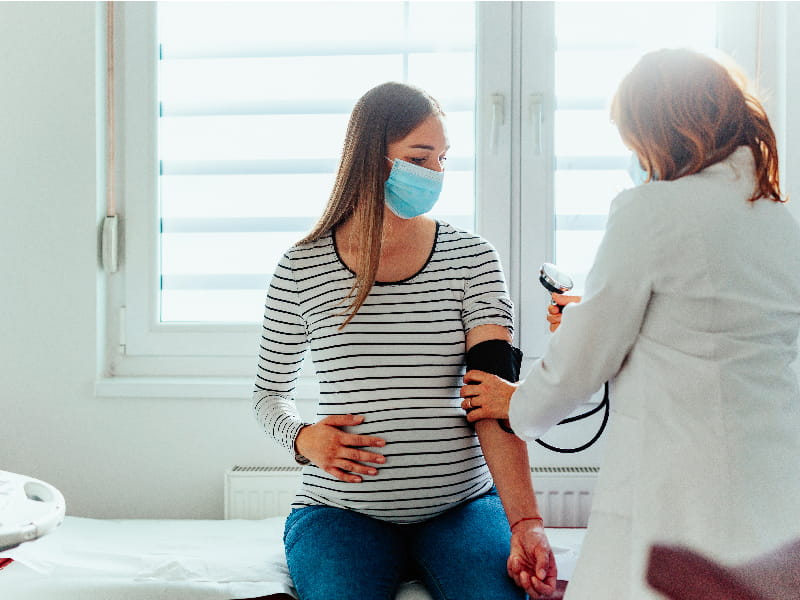
Physical health forms the foundation of overall well-being, and women’s health encompasses a unique set of challenges and considerations. Starting from adolescence, women undergo biological changes like puberty, menstruation, and pregnancy that require specialized care and attention. Regular health check-ups, including pelvic exams and mammograms, are vital in detecting potential issues such as breast cancer or reproductive health conditions.
Additionally, mental health plays an equally important role in a woman’s overall well-being. Women face a myriad of psychological challenges, including higher rates of anxiety and depression. Society often places unrealistic expectations and pressures on women, such as striving for the perfect body image or juggling multiple roles without support. Prioritizing mental health through awareness, destigmatization, and access to mental health resources is crucial for women to thrive.
Reproductive health is another essential aspect of women’s well-being. Accessible and affordable contraception, family planning services, and comprehensive sex education are key factors in empowering women to make informed decisions about their bodies and reproductive choices. By providing the necessary tools and knowledge, we empower women to take control of their reproductive health, thereby reducing unintended pregnancies and improving overall family and societal outcomes.
Another critical component of women’s health is addressing the unique challenges faced by marginalized groups. Women of color, LGBTQ+ women, and women from low-income backgrounds often face disparities in healthcare access, quality, and affordability. It is imperative to recognize these disparities and work towards creating an inclusive healthcare system that provides equitable care to all women, regardless of their background or socio-economic status.
Promoting a healthy lifestyle is essential in maintaining women’s health and preventing various chronic diseases. Encouraging regular physical activity, a balanced diet, and sufficient sleep can have profound positive effects on both physical and mental well-being. By fostering a culture of self-care and healthy habits, we can empower women to prioritize their health and lead fulfilling lives.
Furthermore, advancements in medical research and technology have paved the way for groundbreaking discoveries in women’s health. Research dedicated to understanding women-specific conditions such as endometriosis, polycystic ovary syndrome (PCOS), and osteoporosis is crucial in developing effective treatments and interventions. Supporting and funding such research initiatives is vital to improve women’s health outcomes and reduce the burden of these conditions.
Lastly, women’s health extends beyond individual well-being; it has significant societal and economic implications. When women are healthy, they are more likely to participate actively in the workforce, contribute to economic growth, and engage in community development. By investing in women’s health, we invest in a prosperous future for everyone, as healthier women create healthier families, communities, and nations.
In conclusion, prioritizing women’s health is essential for empowering women and ensuring a better future. By addressing the unique challenges faced by women, promoting physical and mental well-being, providing comprehensive reproductive healthcare, and addressing disparities, we can create a society that values and supports women’s health. When women are healthy and empowered, they can reach their full potential, making significant contributions to society and inspiring future generations. Let us work together to prioritize women’s health and create a world where every woman can thrive.
Empowering Women’s Health: Nurturing Wellness and Resilience
Introduction (50 words): Women’s health is a multifaceted domain that encompasses physical, mental, and emotional well-being. Acknowledging the unique needs and challenges women face, it becomes imperative to prioritize comprehensive healthcare and empower women to take charge of their health. This article delves into key aspects of women’s health, highlighting the importance of proactive care, self-advocacy, and holistic approaches.
Body:
- Navigating the Lifespan (100 words): Women experience distinct health milestones throughout their lives, from puberty to pregnancy, menopause, and beyond. Understanding these stages and their associated health considerations is crucial for personalized care. Providing education, support, and accessible healthcare services tailored to these specific needs can promote healthier outcomes and enhance overall well-being.
- Empowering Physical Health (100 words): Physical health is the cornerstone of women’s well-being. Encouraging regular exercise, balanced nutrition, and preventive screenings can help prevent chronic illnesses and maintain optimal health. Cultivating body positivity and embracing diverse body types also plays a pivotal role in promoting self-acceptance and fostering a healthy body image.
- Mental and Emotional Resilience (100 words): Women’s mental and emotional health can significantly impact their overall quality of life. Raising awareness about common mental health issues such as anxiety, depression, and postpartum disorders is vital. Encouraging open dialogue, reducing stigma, and providing accessible mental health resources are essential steps towards supporting women in their journey towards mental and emotional well-being.
- Sexual and Reproductive Health (100 words): Empowering women to make informed decisions regarding their sexual and reproductive health is a fundamental aspect of comprehensive healthcare. Promoting access to contraception, accurate sex education, and family planning services empowers women to take control of their reproductive choices. Additionally, ensuring easy access to prenatal care, safe childbirth practices, and postpartum support is crucial for the well-being of both mothers and their babies.
- Holistic Approaches to Women’s Health (100 words): Recognizing that women’s health extends beyond the physical realm, holistic approaches integrate various dimensions of well-being. Encouraging self-care practices, stress management techniques, and promoting work-life balance can support women in achieving overall wellness. Moreover, recognizing the impact of social determinants of health, such as socioeconomic factors and access to healthcare, is vital in addressing health disparities and promoting health equity.
Conclusion (50 words): Prioritizing women’s health involves a multifaceted approach that recognizes the diverse needs and challenges faced by women throughout their lives. By nurturing physical, mental, and emotional well-being, providing comprehensive care, and empowering women to take control of their health, we can foster a society where women thrive and lead healthy, fulfilling lives.
Empowering Women’s Health: Nurturing Holistic Well-being
Introduction (Approximately 70 words): Women’s health is a multidimensional concept that encompasses physical, mental, and emotional well-being. It is imperative to acknowledge and address the unique health concerns faced by women, allowing them to lead fulfilling lives. From reproductive health to mental wellness, this article explores various aspects of women’s health and emphasizes the importance of nurturing holistic well-being.
Body:
- Prioritizing Reproductive Health (Approximately 100 words): Reproductive health plays a vital role in a woman’s overall well-being. It involves understanding menstrual health, contraception, family planning, and the management of conditions such as polycystic ovary syndrome (PCOS) and endometriosis. By raising awareness and providing accessible healthcare services, women can make informed decisions about their reproductive health and exercise greater control over their bodies. Additionally, regular screenings for cervical and breast cancers are crucial for early detection and successful treatment.
- Mental and Emotional Well-being (Approximately 100 words): Women often face unique mental health challenges, including hormonal fluctuations, postpartum depression, and societal pressures. Prioritizing mental and emotional well-being is essential for maintaining a healthy and balanced life. Promoting self-care practices, seeking therapy or counseling when needed, and destigmatizing discussions around mental health are crucial steps. By nurturing emotional well-being, women can enhance their resilience, improve relationships, and develop a positive outlook towards life.
- Balanced Nutrition and Physical Fitness (Approximately 100 words): A nutritious diet and regular physical activity are cornerstones of good health for women. Adequate intake of essential nutrients, including calcium, iron, and vitamins, helps prevent diseases like osteoporosis and anemia. Engaging in exercise routines tailored to individual needs improves cardiovascular health, strengthens bones, and boosts mental well-being. Furthermore, maintaining a healthy body weight reduces the risk of chronic conditions such as diabetes and hypertension.
- Prevention and Early Intervention (Approximately 100 words): Regular health check-ups and preventive measures play a significant role in women’s health. Annual gynecological examinations, including Pap smears and mammograms, aid in the early detection of potential issues. Vaccinations against diseases like human papillomavirus (HPV) and hepatitis help prevent infections and related complications. Additionally, educating women about the signs and symptoms of conditions like heart disease and breast cancer empowers them to seek timely medical intervention and ensures better outcomes.
Conclusion (Approximately 50 words): Women’s health is a complex and multifaceted domain that requires a holistic approach. By prioritizing reproductive health, mental and emotional well-being, balanced nutrition, and preventive care, women can take charge of their health journeys. Empowering women with knowledge, access to quality healthcare, and support networks is essential for fostering a healthier, happier society.

Empowering Women: Nurturing Optimal Health and Well-being
Women’s health is a multifaceted and vital aspect of our society that demands significant attention and support. It encompasses physical, mental, and emotional well-being, as well as social and reproductive health. Recognizing the unique needs and challenges faced by women, a comprehensive approach to women’s health is crucial in promoting a society that values and supports the well-being of all its members. In this article, we will explore various dimensions of women’s health, shed light on key issues, and highlight empowering strategies for nurturing optimal health and well-being.
Physical Health
Physical health forms the foundation of overall well-being for women. Regular exercise, a balanced diet, and adequate sleep are key factors in maintaining optimal physical health. Engaging in activities that promote cardiovascular fitness, strength training, and flexibility not only enhance physical fitness but also reduce the risk of chronic diseases such as heart disease, diabetes, and osteoporosis. Furthermore, regular health check-ups, including screenings for breast and cervical cancers, can aid in early detection and treatment of potential health issues.
Mental and Emotional Health
Mental and emotional health are vital components of women’s overall well-being. Women often face unique challenges, such as hormonal fluctuations, societal pressures, and gender-related biases. It is essential to prioritize mental and emotional well-being through self-care practices, stress management techniques, and seeking support when needed. Engaging in mindfulness exercises, practicing relaxation techniques, and cultivating healthy coping mechanisms contribute to resilience and emotional balance.
Reproductive Health
Reproductive health is a crucial aspect of women’s well-being throughout their lives. Access to comprehensive reproductive healthcare, including contraception, prenatal care, and menopause management, is essential. Education on reproductive health, menstrual hygiene, and family planning empowers women to make informed decisions regarding their bodies and reproductive choices. Encouraging open dialogue, breaking taboos, and eliminating stigmas surrounding reproductive health issues are key steps in fostering a supportive environment for women.
Sexual Health
Sexual health is an integral part of women’s overall well-being and quality of life. Open communication, consent, and access to sexual education and reproductive healthcare are fundamental rights. Encouraging healthy relationships, safe practices, and promoting awareness about sexually transmitted infections empower women to make informed decisions regarding their sexual health. Additionally, addressing issues related to sexual dysfunction, such as low libido and pain during intercourse, is crucial for enhancing sexual well-being.
Social Determinants of Health
Women’s health is deeply intertwined with social determinants such as gender equality, access to education, employment opportunities, and healthcare services. Gender-based violence, discrimination, and unequal power dynamics negatively impact women’s health. Promoting gender equality, advocating for women’s rights, and addressing social and economic disparities are essential for creating an environment that nurtures women’s health and well-being.
Empowering Strategies
- Education and Awareness: Promote comprehensive education on women’s health issues, focusing on physical, mental, and reproductive well-being. Encourage open dialogue and provide resources that empower women to make informed choices about their health.
- Supportive Healthcare Systems: Ensure accessible, affordable, and gender-sensitive healthcare services that address the unique needs of women throughout their lifespan. Encourage regular health check-ups and preventive care.
- Mental Health Support: Raise awareness about mental health issues and provide accessible mental health services. Promote self-care practices, stress management techniques, and destigmatize seeking help for mental health concerns.
- Empowerment and Advocacy: Foster an environment that empowers women to advocate for their rights, challenge societal norms, and participate actively in decision-making processes related to their health and well-being.
- Community Support: Create support networks and safe spaces for women to share experiences, seek guidance, and access resources. Foster community engagement and encourage collaboration among women’s organizations and healthcare providers.
Conclusion
Women’s health is a multifaceted concept that encompasses physical, mental, emotional, and social well-being. Empowering women through comprehensive healthcare, education, and support systems is crucial for nurturing optimal health and well-being. By addressing the unique needs and challenges faced by women, we can create a society that values and prioritizes women’s health, thus promoting a brighter, healthier future for all.

The way hot tubs and pools can work!
The administrations might incorporate pool synthetic substances, pool adornments, in-ground pools, over the ground pools, deck furniture, saunas, and hot tubs. Heat works by speeding up the mending system as well as lifts up the progression of the blood towards muscles. While discussing lightness loosens up the joints by delivering pressure. Along these lines, you can return to back advantages of utilizing the ideal quality hot tubs and pools whether at your home or elsewhere.
You can de-pressurize, disengage, and arose restored. You can feel an unmistakable contrast between the two circumstances. One, you were not in the pool, and the other, you were in the pool, and last one, when you were beyond the pool. Concentrate on various terms to see substantially more about the manner in which it can work for you. Likewise, hot tubs and pools can likewise assist you with providing intensity to joint inflammation joints.
Every top notch tub is an astounding method for keeping beneficial to individuals with joint inflammation. Thus, the time has come to limit the aggravation of joint pain with a bang. Especially with regards to your wellbeing, it very well may be an incredible speculation to claim a hot tub or pool in like manner to your capacity to pay. Individuals with stress, asthma and joint pain can truly profit from hot tubs and pools with a bang.
Absorbing a hot tub can present to you a ton of wellbeing and health benefits
As a customer of your hot tubs and pools, you will actually want to arise for however long you are submerged in warm water. Following a monotonous day-work hour, it is perfect to invest some energy in the water in the outside to get loose and feel new in the natural air. I figure anyone who can bear the cost of a hot tub or pool should profit it since it is a merited need for each individual.
Absorbing a hot tub can present to you a great deal of wellbeing and health benefits. I don’t consider a hot tub being an extravagance or additional thing since everything revolves around your capacity to manage. While discussing the utilization of hot tubs and pools openly, they can assume a vital part in uniting individuals. The spot of the hot tub can be the best assemble place from families and companions, without a doubt.
Since hot tubs can pool can give you great night rest which is required for your great in general wellbeing, cash saving over the long haul, and stress-saving also. Getting better rest in a characteristic manner can be an extraordinary resource nowadays. An improvement in generally speaking wellbeing implies you can show better execution in your everyday life exercises.