












Night Routine with Ghee Cream for Maximum Brightening Results
The night is when your skin shifts from defense mode to repair mode. Throughout the day, the skin works hard to protect itself from sunlight, pollution, stress, and dehydration. At night, however, blood circulation improves, cell turnover increases, and the skin barrier focuses on healing and renewal. This natural rhythm makes nighttime the most effective window for treatments aimed at improving clarity, tone, and radiance.
Using a brightening ghee cream during your night routine supports these biological processes rather than competing with them. Ghee-based creams nourish the skin slowly, allowing nutrients to penetrate and work over several hours. Instead of instant surface shine, the result is gradual, natural brightening that becomes visible over time.
When used correctly as a ghee moisturizer for face, ghee cream can transform dull, tired skin into a softer, more even-toned complexion by morning, while strengthening the skin for long-term glow.
Understanding What “Brightening” Really Means
Skin brightening is not about changing your natural skin color. Scientifically and dermatologically, brightening refers to improved skin clarity, smooth texture, and even tone. Dullness is often caused by dehydration, dead skin buildup, inflammation, or a weakened skin barrier rather than pigmentation alone.
At night, the skin naturally sheds dead cells and produces new ones. If this process is supported with proper nourishment, the surface becomes smoother and better at reflecting light. This is why consistent nighttime care often delivers more visible brightening than aggressive daytime treatments.
Ghee cream supports this process by deeply moisturizing the skin and calming micro-inflammation that can interfere with healthy cell turnover. Over time, the skin looks clearer, fresher, and more luminous without appearing artificially glossy.
Preparing Your Skin Before Applying Ghee Cream
A successful night routine always begins with clean, receptive skin. Applying any nourishing cream on unclean skin can trap impurities and reduce effectiveness, especially when using rich, lipid-based products.
Start by cleansing your face with a gentle, non-stripping cleanser suited to your skin type. Avoid harsh scrubs or strong foaming agents at night, as these can disturb the skin barrier and counteract the nourishing effects of ghee cream. After cleansing, pat your skin dry, leaving it slightly damp.
If you use a toner or hydrosol, choose calming options such as rose water or plain distilled water. This step helps balance the skin’s surface and improves the spread and absorption of the cream. A well-prepared base ensures that the ghee cream works on skin renewal rather than damage control.
How to Apply Ghee Cream Correctly at Night
Application technique is just as important as the product itself. Ghee cream is concentrated, so using the right amount ensures comfort and effectiveness without heaviness.
Take a small amount, about the size of a pea, and warm it gently between your fingertips. This step softens the cream and helps it glide smoothly over the skin. Apply it using slow, upward strokes, focusing on areas that tend to look dull or tired, such as the cheeks, under-eye area (avoiding direct contact with eyes), and around the mouth.
Massage gently for one to two minutes. This improves circulation and helps the cream settle into the skin. There is no need to layer additional products over it at night. Ghee cream works best when allowed to stay undisturbed, nourishing the skin throughout sleep.
The Role of Sleep in Enhancing Brightening Results
Even the best night routine cannot deliver maximum results without quality sleep. During deep sleep, the body releases growth hormones that support tissue repair, including skin regeneration. Poor or interrupted sleep can slow cell turnover and increase inflammation, leading to dullness and uneven tone.
Using ghee cream before bed creates a comforting, calming ritual that signals the body to relax. Its soothing texture and mild natural aroma help reduce sensory overstimulation, supporting better sleep quality.
When sleep and skincare work together, the skin wakes up looking more rested, hydrated, and naturally bright. Over time, this synergy becomes visible not only in skin tone but also in overall skin resilience.
How Often to Use Ghee Cream for Best Results
Consistency is key when it comes to natural brightening. Ghee cream works gradually, supporting the skin’s own repair mechanisms rather than forcing rapid changes. For most skin types, nightly use delivers the best results.
However, individual skin responses vary. Those with very oily or acne-prone skin may prefer using it three to four nights a week initially, observing how the skin adapts. Dry, mature, or sensitive skin types often tolerate daily use well and benefit from the sustained nourishment.
Seasonal changes also play a role. During colder or drier months, nightly application helps prevent dullness caused by dehydration. In warmer climates, adjusting the quantity rather than frequency usually maintains balance.
Common Mistakes That Reduce Brightening Benefits
One common mistake is using too much product. Excess cream can sit on the skin’s surface, making it feel heavy and reducing absorption. Ghee cream is potent, and a small amount is sufficient.
Another mistake is combining it with too many active ingredients at night. Strong exfoliants or retinoids can disrupt the skin barrier and interfere with the calming, nourishing effect of ghee cream. If such actives are part of your routine, alternating nights works better.
Skipping cleansing or applying the cream on sweaty or dirty skin can also limit results. Brightening depends on allowing the skin to renew itself freely, which requires a clean, balanced surface.
What Results to Expect Over Time
Natural brightening is a gradual process, and patience is essential. In the first week, most people notice improved softness and reduced tightness. The skin often feels calmer and more comfortable upon waking.
After two to three weeks of consistent use, dullness begins to fade as hydration levels stabilize and the skin barrier strengthens. The complexion appears more even, and a subtle glow becomes noticeable without makeup.
With continued use over several months, the skin’s texture improves, fine dryness lines soften, and brightness looks more inherent rather than cosmetic. This long-term improvement is what makes ghee cream especially valuable in a night routine.
Adapting the Routine to Different Skin Types
While ghee cream is versatile, adapting the routine to your skin type enhances results. Dry skin benefits from slightly more product and a gentle massage to support circulation. Sensitive skin responds well to minimal layering and slow, consistent use.
Combination skin can apply the cream mainly to drier areas, such as cheeks, while using a very thin layer on oilier zones. For oily skin, reducing quantity and focusing on nighttime use alone often prevents heaviness.
Listening to your skin’s response is crucial. Natural products work best when used mindfully rather than rigidly.
A Simple Night Ritual for Lasting Brightness
A night routine with ghee cream is not about instant transformation but about restoring the skin’s natural rhythm and vitality. By aligning with the body’s repair cycle, ghee cream supports hydration, barrier strength, and gentle renewal, the true foundations of skin brightening.
When used consistently and correctly, it helps the skin wake up looking rested, even-toned, and quietly luminous. In a world of complex skincare routines, this simple ritual proves that sometimes, lasting brightness comes from nourishment, patience, and respect for the skin’s natural intelligence.

Post-Invisalign Care: Retainers and Maintaining Your New Smile
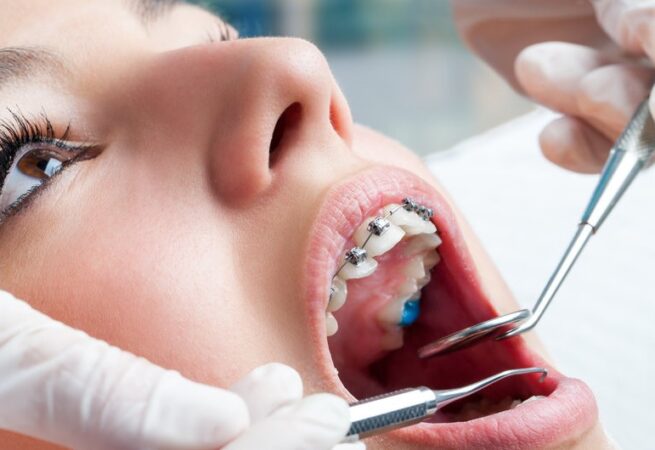
Completing Invisalign marks a major milestone in your smile transformation. The months of dedication, discipline, and patience finally deliver straight, confident teeth. However, this achievement is only the beginning of a new phase. Post-Invisalign care is what protects your results and ensures your smile remains just as perfect years from now as it is today.
After Invisalign treatment, your teeth are in a new position but still biologically flexible. The surrounding bone and tissues require time to stabilize, which makes retention a critical part of long-term success. Without proper post-care, teeth naturally attempt to shift back toward their original positions, undoing months of progress.
Neglecting post-alignment care can eventually lead to complications that extend beyond cosmetic concerns, sometimes even increasing the likelihood of invasive procedures such as root canal treatment due to misalignment-related stress on teeth. This is why retainers and consistent maintenance are not optional; they are essential for preserving both beauty and oral health.
Why Retainers Are Essential After Invisalign
Retainers serve as guardians of your newly aligned smile. They hold your teeth in their corrected positions while your jawbone and surrounding tissues adapt to the new alignment. Without this support, teeth can drift unpredictably, often within weeks.
The first few months after Invisalign are the most critical. During this phase, consistent retainer use ensures that the alignment becomes permanent rather than temporary. Over time, the bone remodels itself around the teeth, locking them into their new positions.
Retainers also help maintain bite balance. Proper bite alignment distributes chewing forces evenly, preventing uneven wear and reducing strain on individual teeth. This balance is vital for long-term comfort and durability.
Types of Retainers and Their Role in Comfort
Different retainer options are available, each designed to suit specific lifestyle and comfort needs. Clear retainers are popular for their discreet appearance, while traditional wire retainers offer durability and precise control.
The right retainer should feel secure without causing pressure or soreness. Comfort plays a key role in compliance, and compliance determines success. A retainer that fits well encourages consistent use, while an uncomfortable one often ends up forgotten in a case.
A well-chosen retainer becomes part of your daily routine, protecting your smile effortlessly and silently.
Daily Retainer Care for Hygiene and Longevity
Clean retainers are essential for both comfort and oral health. Bacteria, plaque, and food particles can accumulate quickly, leading to unpleasant odors, discoloration, and gum irritation.
Basic care includes:
- Rinsing retainers after every use
- Gently brushing with a soft toothbrush
- Allowing them to dry before storage
Avoid exposing retainers to heat, as it can warp their shape and compromise fit. Proper hygiene not only preserves your retainer but also protects your gums and teeth from infection.
Maintaining Your Smile Through Lifestyle Choices
Post-Invisalign care extends beyond retainers. Lifestyle habits directly influence how long your results last. Diet, hydration, and oral hygiene all play important roles in maintaining alignment and enamel strength.
Sugary and acidic foods weaken enamel, making teeth more vulnerable to staining and wear. Hydration supports saliva production, which naturally cleanses the mouth and neutralizes acids. Brushing and flossing consistently prevent plaque from pushing teeth out of alignment over time.
Your smile thrives when daily habits support the structure you worked hard to achieve.
Monitoring Changes and Scheduling Regular Checkups
Even with perfect retainer use, regular dental evaluations remain essential. Subtle shifts can occur without obvious symptoms. Early detection allows minor corrections before they become visible problems.
Professional checkups also ensure that retainers continue to fit correctly. As teeth stabilize, slight adjustments may be required to maintain optimal support.
Consistent monitoring protects your investment and provides peace of mind that your smile is progressing as intended.
Psychological Confidence of a Maintained Smile
A straight smile is not only a physical feature, but it is also an emotional asset. Confidence increases naturally when you know your smile is stable, healthy, and attractive. This confidence influences communication, social interaction, and even professional presence.
Maintaining your Invisalign results reinforces self-esteem and encourages a positive self-image. Retainers become symbols of self-care rather than inconvenience.
What Happens If Retainers Are Ignored
Ignoring retainer use often leads to gradual tooth movement. The change may be subtle at first, but over time, gaps, crowding, and bite imbalance become noticeable. Correcting these issues may require new orthodontic intervention, which can be both time-consuming and costly.
In addition to alignment issues, shifting teeth creates uneven pressure points that increase the risk of enamel damage and gum stress. This highlights why consistent retention is not merely recommended; it is essential.
Travel, Work, and Retainer Convenience
Modern retainers are designed to fit seamlessly into busy lifestyles. Compact storage cases, lightweight materials, and easy cleaning methods allow you to maintain your routine even while traveling.
Consistency matters more than perfection. Even during hectic schedules, prioritizing retainer use preserves months of orthodontic effort with minimal daily commitment.
Long-Term Oral Health Benefits
A stable smile improves overall oral function. Proper alignment supports even chewing, clearer speech, and balanced jaw movement. These benefits reduce strain on the jaw joints and prevent uneven tooth wear.
Maintaining alignment also simplifies oral hygiene. Straight teeth are easier to clean, reducing plaque buildup and supporting healthier gums. Over time, this leads to fewer dental complications and stronger overall oral health.
Teaching Children and Teens Post-Orthodontic Discipline
For younger patients, post-Invisalign care builds lifelong habits. Teaching consistency, responsibility, and hygiene creates a foundation for long-term dental wellness.
Parents play a key role in encouraging routine retainer use, reinforcing the importance of preserving results. These habits extend far beyond orthodontics and shape a lifetime of oral awareness.
Protecting the Smile You Earned
Your Invisalign journey represents commitment, patience, and self-investment. Retainers are the final and most crucial step in honoring that journey. They transform temporary results into permanent success.
Post-Invisalign care is not about restriction; it is about preservation. With mindful habits, proper hygiene, and consistent retainer use, your smile remains just as confident and radiant as the day your aligners came off.
A beautiful smile is not only created through alignment, but it is also maintained through care. And with the right approach, your new smile will continue to reflect health, confidence, and pride for years to come.

Creating Healthier Working Environments in a High-Pressure World
Workplace demands have increased significantly in recent years. Faster decision making, constant connectivity and evolving expectations have reshaped how people experience work. While productivity tools and flexible working have delivered clear benefits, they have also introduced new challenges that can quietly undermine employee wellbeing.
As organisations adapt to these changes, many are recognising that wellbeing support must move beyond policy statements and occasional initiatives. Instead, it needs to be practical, visible and embedded into everyday working life.
Understanding the Daily Impact of Work
The strain of modern work often comes from repetition rather than extremes. Hours spent at desks, limited movement and sustained concentration can place ongoing pressure on the body and mind.
Over time, this can lead to physical discomfort such as tight shoulders, lower back pain and headaches. These issues are often accompanied by mental fatigue, reduced focus and irritability. When left unaddressed, they can affect morale, engagement and overall performance.
Recognising these patterns is the first step towards creating healthier working environments.
Bringing Wellbeing Closer to Employees
Wellbeing initiatives are most effective when they are easy to access. If support requires employees to sacrifice personal time or navigate complex booking systems, uptake is likely to be limited.
For this reason, many organisations are choosing to deliver wellbeing support directly within the workplace. On site initiatives help normalise wellbeing as part of the working day rather than something separate from it.
As part of this approach, services such as corporate massage are increasingly being introduced in office environments. These sessions can be scheduled during work hours, require minimal space and help employees manage physical tension without disrupting productivity.
Supporting Physical Wellbeing to Improve Performance
Physical comfort plays a vital role in how people work. Persistent discomfort can reduce concentration, increase stress and make even simple tasks feel more demanding.
Supporting physical wellbeing can help improve focus, energy levels and overall job satisfaction. When employees feel physically supported, they are better equipped to handle pressure and maintain a steady pace of work.
This approach also reinforces the idea that wellbeing is preventative. Addressing small issues early helps reduce the risk of more serious problems developing over time.
Wellbeing and Organisational Culture
Wellbeing initiatives do more than support individual health. They also shape workplace culture. Visible, consistent support signals that an organisation values its people and understands the realities of modern work.
This has a direct impact on trust and engagement. Employees who feel supported are more likely to be committed, collaborative and motivated.
Wellbeing also plays a growing role in recruitment and retention. Organisations that prioritise employee health are increasingly seen as employers of choice, particularly among professionals seeking sustainable careers rather than short term gains.
Making Wellbeing Sustainable
Sustainable wellbeing strategies focus on consistency rather than scale. Small, regular initiatives are often more effective than large, infrequent programmes.
Listening to employee feedback helps ensure wellbeing support remains relevant and inclusive. Different teams have different needs, and flexibility is key to long term success.
By embedding wellbeing into daily routines and organisational values, businesses can move away from reactive responses and towards a more proactive, supportive approach.
Looking Towards the Future of Work
The future of work will continue to evolve, bringing new challenges and opportunities. Organisations that invest in practical wellbeing support will be better positioned to adapt and thrive.
By focusing on everyday comfort, accessibility and prevention, employers can create environments where people feel supported and able to perform at their best.
In doing so, wellbeing becomes not just an initiative, but an integral part of how work is done.

Empowering Women: Nurturing Optimal Health and Well-being
Women’s health is a multifaceted and vital aspect of our society that demands significant attention and support. It encompasses physical, mental, and emotional well-being, as well as social and reproductive health. Recognizing the unique needs and challenges faced by women, a comprehensive approach to women’s health is crucial in promoting a society that values and supports the well-being of all its members. In this article, we will explore various dimensions of women’s health, shed light on key issues, and highlight empowering strategies for nurturing optimal health and well-being.
Physical Health
Physical health forms the foundation of overall well-being for women. Regular exercise, a balanced diet, and adequate sleep are key factors in maintaining optimal physical health. Engaging in activities that promote cardiovascular fitness, strength training, and flexibility not only enhance physical fitness but also reduce the risk of chronic diseases such as heart disease, diabetes, and osteoporosis. Furthermore, regular health check-ups, including screenings for breast and cervical cancers, can aid in early detection and treatment of potential health issues.
Mental and Emotional Health
Mental and emotional health are vital components of women’s overall well-being. Women often face unique challenges, such as hormonal fluctuations, societal pressures, and gender-related biases. It is essential to prioritize mental and emotional well-being through self-care practices, stress management techniques, and seeking support when needed. Engaging in mindfulness exercises, practicing relaxation techniques, and cultivating healthy coping mechanisms contribute to resilience and emotional balance.
Reproductive Health
Reproductive health is a crucial aspect of women’s well-being throughout their lives. Access to comprehensive reproductive healthcare, including contraception, prenatal care, and menopause management, is essential. Education on reproductive health, menstrual hygiene, and family planning empowers women to make informed decisions regarding their bodies and reproductive choices. Encouraging open dialogue, breaking taboos, and eliminating stigmas surrounding reproductive health issues are key steps in fostering a supportive environment for women.
Sexual Health
Sexual health is an integral part of women’s overall well-being and quality of life. Open communication, consent, and access to sexual education and reproductive healthcare are fundamental rights. Encouraging healthy relationships, safe practices, and promoting awareness about sexually transmitted infections empower women to make informed decisions regarding their sexual health. Additionally, addressing issues related to sexual dysfunction, such as low libido and pain during intercourse, is crucial for enhancing sexual well-being.
Social Determinants of Health
Women’s health is deeply intertwined with social determinants such as gender equality, access to education, employment opportunities, and healthcare services. Gender-based violence, discrimination, and unequal power dynamics negatively impact women’s health. Promoting gender equality, advocating for women’s rights, and addressing social and economic disparities are essential for creating an environment that nurtures women’s health and well-being.
Empowering Strategies
- Education and Awareness: Promote comprehensive education on women’s health issues, focusing on physical, mental, and reproductive well-being. Encourage open dialogue and provide resources that empower women to make informed choices about their health.
- Supportive Healthcare Systems: Ensure accessible, affordable, and gender-sensitive healthcare services that address the unique needs of women throughout their lifespan. Encourage regular health check-ups and preventive care.
- Mental Health Support: Raise awareness about mental health issues and provide accessible mental health services. Promote self-care practices, stress management techniques, and destigmatize seeking help for mental health concerns.
- Empowerment and Advocacy: Foster an environment that empowers women to advocate for their rights, challenge societal norms, and participate actively in decision-making processes related to their health and well-being.
- Community Support: Create support networks and safe spaces for women to share experiences, seek guidance, and access resources. Foster community engagement and encourage collaboration among women’s organizations and healthcare providers.
Conclusion
Women’s health is a multifaceted concept that encompasses physical, mental, emotional, and social well-being. Empowering women through comprehensive healthcare, education, and support systems is crucial for nurturing optimal health and well-being. By addressing the unique needs and challenges faced by women, we can create a society that values and prioritizes women’s health, thus promoting a brighter, healthier future for all.