










A Beginner’s Guide to Peptides in Skincare
Peptides are short chains of amino acids that your body uses for many important functions. Amino acids are the building blocks of proteins, and when they link together, they form peptides. These peptides then help create larger proteins that support different parts of the body. Today, many people also choose to purchase peptides in the form of supplements or skincare products because of their potential benefits.
Peptides are found naturally in the skin, but they are also added to creams, serums, and lotions. They can even be found in different foods. Because they are smaller than full proteins, peptides can be absorbed more easily by the skin, making them useful in many skincare products which is why so many are purchasing quality verified peptides.
How Peptides Help Your Skin
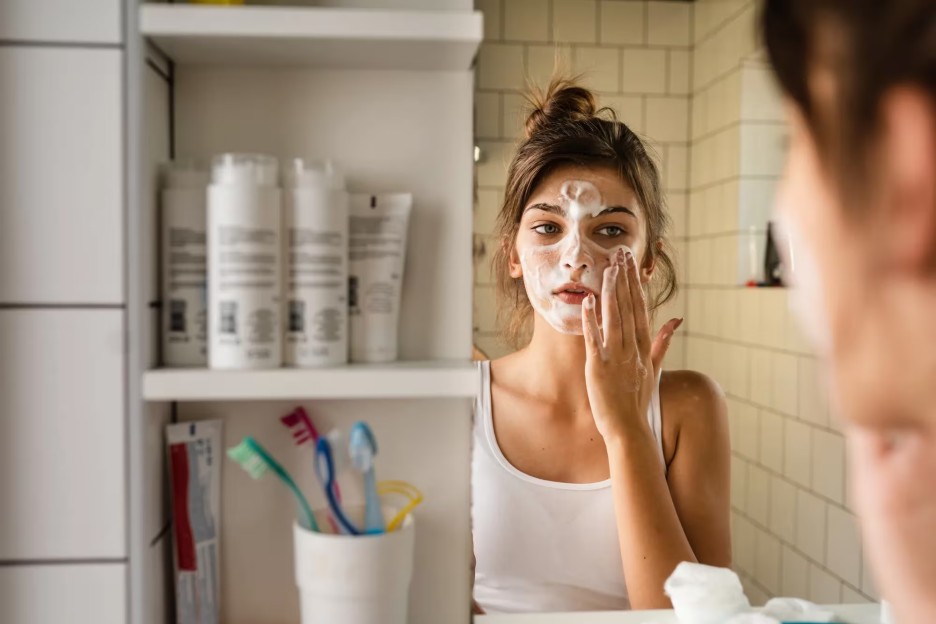
What Peptides Do in Skincare
Your skin naturally contains peptides, but their levels slowly decrease as you age. Since peptides help form important proteins like collagen and elastin, a drop in peptide levels can lead to changes in skin texture, firmness, and overall appearance.
Collagen and elastin play a big role in keeping your skin looking healthy, hydrated, and youthful. Peptides also help form keratin, which supports brighter-looking skin, smoother texture, and even shinier hair.
Because full proteins are too large to enter the skin, skincare products often use peptides instead. These smaller chains can move through the skin more easily and support its natural repair and renewal process.
If you want to check whether your products contain peptides, look for names like dipeptide, tripeptide, tetrapeptide, hexapeptide, and oligopeptide on the ingredient list. You may also see words like palmitoyl or carnosine, which are types of peptides used in skincare.
Main Benefits of Peptides in Skincare
1. Strengthening the Skin Barrier
Your skin barrier protects you from dryness, irritation, and pollution. When this barrier becomes weak, your skin may look dull or become sensitive. Peptides can help support and strengthen this barrier, making your skin better at holding moisture and staying healthy.
2. Reducing Fine Lines and Wrinkles
Because peptides help support collagen production, they can help reduce the look of fine lines and wrinkles. With regular use, skincare products with peptides may help your skin appear smoother, firmer, and more refreshed.
How to Add Peptides to Your Skincare Routine
Choose the Right Products
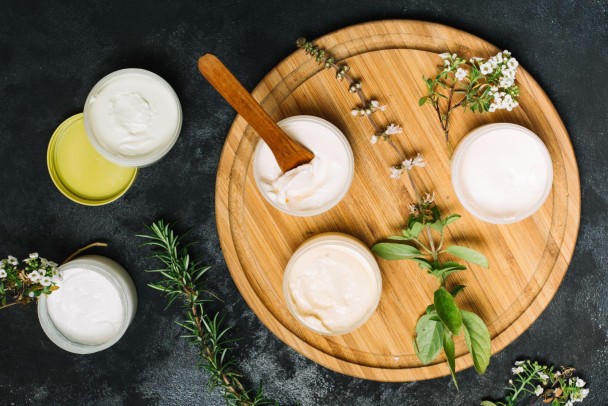
The best way to start using peptides is through serums and creams. These stay on the skin longer, giving the peptides more time to be absorbed. Applying them in the right order also helps—usually after cleansing and before moisturizer (or as your moisturizer, depending on the product).
Use Peptides With Hydrating Ingredients
Peptides work well with many other skincare ingredients. To get the most benefit, combine them with hydrating and calming ingredients like niacinamide or hyaluronic acid.
For example, a serum like the Cetaphil Healthy Radiance Antioxidant-C Serum includes niacinamide and a gentle form of vitamin C. These ingredients help brighten the skin, reduce signs of sun damage, and support skin radiance while working well with peptides.
The Bottom Line
Peptides are powerful building blocks that support the proteins your skin needs to stay smooth, firm, and hydrated. As natural peptide levels decrease over time, adding peptide-based products to your routine can help your skin stay strong and youthful-looking. When paired with other gentle and hydrating ingredients, peptides can help restore moisture, improve texture, and keep your skin glowing and healthy.
If you want to support your skin in a simple but effective way, using products with peptides is a great place to start.